HEALTHY AGEING & LONGEVITY
Understanding “visible longevity”
How European consumers talk about skin health, aging, and beauty from within
An AI-enabled consumer insight study across five European skin-health markets

Dr. Sybille Buchwald-Werner1 , Gaby Perfahl2
1. Newday, Owner, Düsseldorf, Germany
2. Pharma Performance, Owner, München, Germany

About the Authors
Sybille Buchwald-Werner
Dr. Sybille Buchwald-Werner is an independent board director, entrepreneur, and scientist with over 20 years of experience in health, life sciences, and nutraceuticals. After founding and scaling a science-based innovation company to a successful exit, she established Newday®, advising organizations on governance, strategy, and responsible innovation. Her work focuses on aligning scientific evidence with decision architecture, risk oversight, and sustainable growth. She serves on multiple boards and advises international organizations and is a frequent speaker on science-driven leadership and innovation in global health markets.
Gaby Perfahl
Gaby Perfahl is CMO at ExpertizeYou to simplify AI and the owner of PHARMA PERFORMANCE focusing on AI-powered campaigns in the healthcare sector.The TÜV-certified AI trainer focuses on AI in healthcare marketing and structured AI implementation with a scientifically-based 9-month plan for companies. With over a decade of experience in digital healthcare communication, she combines deep expertise with practical application. As a member of the AI Explorer Club, she identifies concrete use cases for pharmaceutical companies and develops tailored solutions. Her innovative work has received multiple awards, including the ADC Silver Medal and placements at the New York Advertising Festival. Her approach: pragmatic, well-founded, and future-oriented.


KEYWORDS
Longevity
Consumer Insights
Skincare
Digital Consumer Research
Healthy Aging
Abstract
The concept of longevity is increasingly shaping innovation across food, nutraceutical, and skin health industries. Beyond lifespan or disease prevention, consumers now emphasize visible longevity—the ability to maintain skin vitality, resilience, and a credible appearance of health.
This study explores how European consumers articulate skin aging and longevity through an AI-enabled analysis of authentic online discussions in Germany, France, the UK, Italy, and Spain. Using natural language processing across forums and social platforms, it identifies shared foundations and culturally distinct emotional framings. A consistent set of trusted active ingredients emerges, while motivations and proof expectations vary by country. Consumers also increasingly link skin health to combined topical and oral routines. The findings show how AI-driven insights can support targeted product development and communication in the visible longevity segment.

Introduction: From Anti-Aging to Visible Longevity
For decades, skin care innovation has been dominated by the language of “anti-aging.” Wrinkle reduction, age reversal, and fighting visible signs of aging have shaped both product development and marketing narratives. However, this framing is increasingly misaligned with how consumers perceive aging today. Across Europe, discussions around skin care are shifting away from the notion of combating age toward maintaining vitality, function, and credibility of a youthful and healthy appearance over time (1).
This emerging perspective can be described as visible longevity, the generally perceivable expression of healthy aging. Rather than promising eternal youth, visible longevity emphasizes resilience, balance, and long-term skin health, values closely aligned with broader healthspan concepts in food and nutraceutical innovation (1,2). For consumers, visible longevity is not only about how skin looks, but what that appearance signals: overall health, self-care, and trust in science-based solutions.
For industry stakeholders operating at the intersection of food, nutraceuticals, and skin care, this reframing has profound implications. Ingredients, formulations, and communication strategies must resonate with evolving consumer values while remaining scientifically credible and culturally relevant. The growing relevance of longevity as a mainstream consumer priority further underscores the importance of this shift (3).
Study Design and AI-Enabled Methodology
Data Sources and Market Selection
This study analyzed consumer-generated content from five European markets representing diverse cultural and linguistic contexts: Germany, France, the United Kingdom, Italy, and Spain. Data sources were deliberately selected to reflect established, publicly accessible platforms where consumers actively discuss skin care, beauty routines, and health-related topics in a non-incentivized manner.
The analysis included online forums, beauty and health communities, and e-commerce review environments that are widely used within each market. Specifically, data sources comprised, among others:
United Kingdom: LookFantastic, Cult Beauty / Beauty Bulletin, Mumsnet, Reddit UK
Germany: Beautyjunkies.de, Gutefrage.net, Codecheck.info, Reddit Germany
Spain: Foro Vogue España, Enfemenino.com, PromoFarma / El Corte Inglés, Reddit España
Italy: Alfemminile.com, ClioMakeUp Community, MyBeauty.it, Reddit Italia
France: Aufeminin.fr, Beauté-test.com, Doctissimo.fr, Reddit France
Across all markets, the focus was placed on natural, unsolicited consumer language rather than structured survey responses or brand-generated content. This approach enabled insights into how consumers spontaneously frame longevity, skin aging, and skin health in everyday discourse, while ensuring consistency and comparability of data inputs across countries.
AI Tools and Analytical Approach
The analytical workflow applied in this study was designed to combine the scalability of generative AI with rigorous human expert validation. Consumer-generated content was collected from carefully curated, publicly accessible platforms in each market, ensuring that data input reflected authentic, non-incentivized consumer language.
A combination of generative AI and natural language processing tools was used to collect, cluster, and analyze large volumes of unstructured text. To ensure consistency and comparability across countries and platforms, a unified prompting logic was applied throughout the analysis.
During an initial exploratory phase, several large language model families (e.g., GPT-based systems, Gemini, Claude, and Perplexity) were evaluated to assess their ability to capture semantic depth, emotional language, and culturally specific expressions across markets. Based on this evaluation, one reference model was selected and applied consistently for comparative European analysis.
The analytical approach builds on established methodologies for large-scale language model–enabled text analysis, combining automated pattern recognition with expert human validation to ensure contextual accuracy and robustness of insights (4).
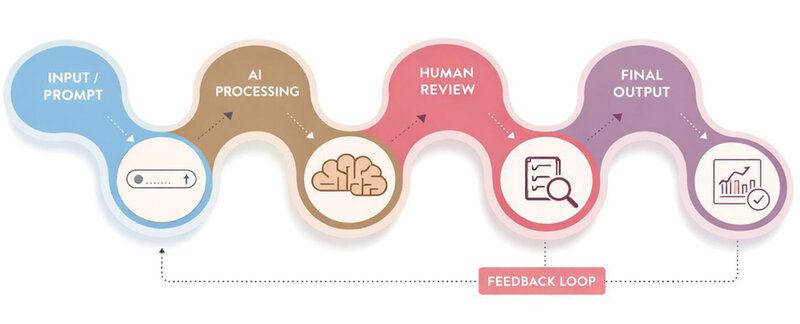
Figure 1. AI-enabled consumer insight workflow
AI-enabled consumer insight workflow combining large-scale text analysis with expert human validation.
Human Validation and Interpretation
AI-generated outputs were systematically reviewed by the authors to ensure scientific plausibility, cultural accuracy, and relevance for industry application. Attention was paid to emotional language, contextual meaning, and country-specific nuances that may not be fully captured through automated analysis alone.
This human-in-the-loop approach ensured that AI served as an accelerator of insight generation rather than a substitute for expert judgment. All interpretations and conclusions presented in this paper are the result of combined AI-supported analysis and professional domain expertise.
Supplementary Materials
As part of the study, selected AI-generated visual and text-to-video outputs were developed to explore how visible longevity concepts could be translated into communication assets. These materials are not included in the present article but are available upon request via the authors.
Scope and Positioning of the Study
The study focuses on visible longevity as a consumer concept rather than evaluating specific products or brands. While cosmetic formulations play a central role, particular attention is given to how consumers integrate topical routines with nutrition and supplementation, reflecting a broader inside–out understanding of skin health (2).
By placing visible longevity at the intersection of skin care, nutraceuticals, and healthy aging, the analysis provides insights relevant to ingredient suppliers, product developers, and B2B decision-makers seeking to align innovation strategies with evolving consumer expectations.
Preliminary insights from this study were presented as an oral lecture at the NutraHealthSpan conference; however, the full analysis and interpretations presented here have not been published elsewhere.
Results: How Visible Longevity Is Framed Across European Markets
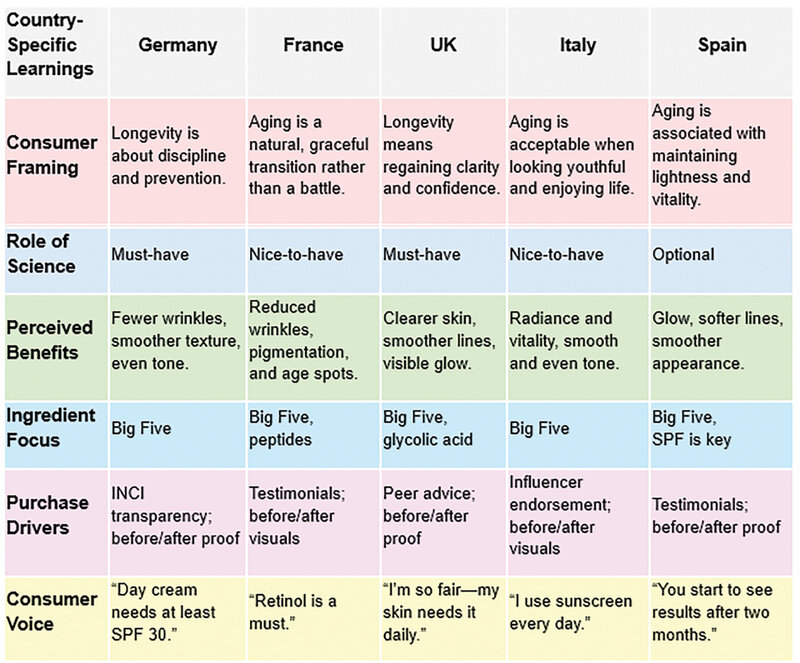
Table 1. Cultural Framing of Visible Longevity Across Europe
Across markets, visible longevity is framed as prevention in Germany, graceful transition in France, regaining control in the UK, vitality in Italy, and lightness in Spain, with trust drivers ranging from scientific validation to peer endorsement.
Shared Foundations: What Unites European Consumers
Despite cultural differences, the AI-enabled analysis revealed a strong common foundation across all five markets. Consumers consistently associate visible longevity with a limited and well-recognized group of active ingredients. Retinoids, vitamin C, hyaluronic acid, niacinamide, and sun protection dominate discussions, forming a shared “ingredient literacy baseline” across Europe (5,6,7). These ingredients are widely perceived as scientifically credible, familiar, and effective over time.
Across markets, consumers also express similar expectations regarding outcomes: smoother skin texture, improved tone, visible vitality, and delayed appearance of aging signs. Importantly, these benefits are rarely framed as dramatic transformation. Instead, they are described as gradual, cumulative, and linked to consistency and long-term routines, key characteristics of visible longevity rather than short-term cosmetic correction (2).
Germany: Discipline, Prevention, and Scientific Credibility
In Germany, visible longevity is strongly associated with discipline, prevention, and evidence-based routines. Consumers frequently emphasize consistency, early intervention, and protective strategies, particularly sun protection. Discussions reflect high trust in science, ingredient transparency, and regulatory credibility.
Language used in German forums often highlights responsibility and foresight, framing skin care as part of long-term health maintenance. Proof expectations are high, with consumers valuing clinical data, ingredient lists, and peer validation through detailed reviews. Emotional expression is restrained, reinforcing the perception of longevity as a rational, preventive concept (7).
France: Graceful Transition and Balance
French consumer conversations frame aging less as a problem to be solved and more as a natural transition to be supported. Visible longevity is associated with balance, elegance, and maintaining skin vitality without exaggeration. Aggressive anti-aging language is often rejected in favor of subtle improvement and preservation of skin quality.
Scientific validation remains important but is expected to be communicated with restraint. Dermatological endorsement, refined storytelling, and credibility conveyed through expert voices play a stronger role than overt claims. The emotional tone reflects acceptance rather than resistance, positioning visible longevity as a harmonious process (8,9).
United Kingdom: Regaining Control and Clarity
In the UK, visible longevity is frequently discussed in the context of regaining control over perceived skin decline. Consumers describe frustration with uneven tone, sensitivity, or sudden changes, particularly linked to stress, lifestyle, or hormonal shifts.
Language tends to be more direct and emotionally expressive, with a strong desire for visible results that restore confidence. Evidence-based claims, before-and-after comparisons, and peer recommendations are key drivers of trust. Visible longevity here is framed as an active effort to stabilize and manage skin health rather than a purely preventive or aesthetic goal (8).
Italy: Vitality, Appearance, and Lifestyle Integration
Italian discussions link visible longevity closely to lifestyle, joy, and appearance. Aging is generally accepted, but maintaining a youthful, radiant look remains central to personal well-being. Skin care is discussed as part of daily rituals that enhance confidence and quality of life.
Consumers are receptive to innovation, especially when benefits are tangible and aligned with enjoyment rather than medicalization. Professional endorsement, particularly from pharmacists and trusted local voices, plays a strong role in purchase decisions. Visible longevity is framed as an enabler of vitality rather than a defensive strategy (9).
Spain: Light, Energy, and Radiance
In Spain, visible longevity is often described using metaphors of light, brightness, and energy. Rather than focusing on aging explicitly, consumers emphasize maintaining a fresh and radiant appearance. Sun exposure and protection feature prominently, reflecting both lifestyle and environmental factors.
Emotional language is optimistic and experience-driven, with strong reliance on peer reviews and community validation. Scientific explanations support trust but are secondary to perceived effectiveness and shared experiences. Visible longevity is associated with sustained glow and vitality over time (7,9).
Understanding lutein and zeaxanthin bioavailability: The marigold advantage
Inside–Out Beauty as an Expression of Visible Longevity
Across all markets, consumers increasingly describe skin health as the outcome of combined topical and internal support. While not always labeled explicitly as “nutracosmetics,” this inside–out perspective emerges organically in discussions around supplements, nutrition, hydration, and lifestyle factors (6,10).
Consumers frequently connect visible skin outcomes with systemic support, including micronutrients, collagen products, and general wellness supplements. These conversations suggest that visible longevity is no longer perceived as achievable through topical application alone. Instead, it is framed as a holistic outcome requiring alignment between skin care, nutrition, and overall health habits.
Importantly, this integration does not replace expectations for topical efficacy. Rather, nutraceuticals are discussed as complementary enhancers that support resilience, recovery, and long-term skin quality. Trust remains anchored in familiar ingredients and credible claims, underscoring the need for scientifically coherent inside–out concepts rather than trend-driven formulations.
For the nutraceutical industries, this signals a shift from optional cross-category innovation toward an emerging baseline expectation. Consumers increasingly assume that visible longevity strategies should address both external appearance and internal support, even if they do not explicitly articulate this as a distinct product category.
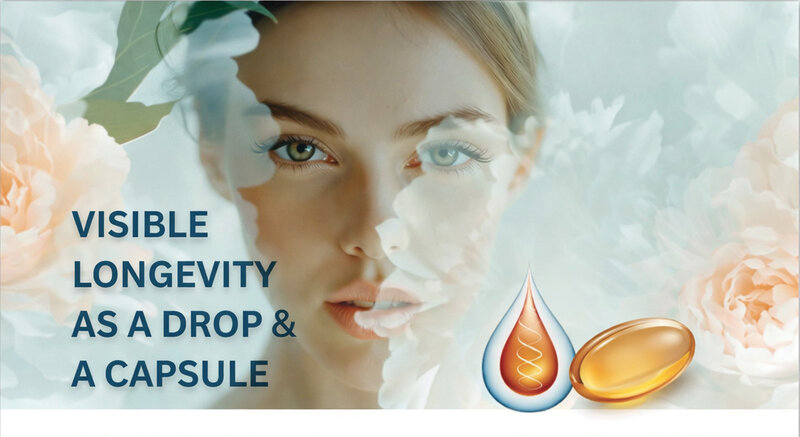
Figure 2. Inside-out approaches as an emerging consumer expectation within visible longevity strategies.
Business Implications for Agro-Food and Nutraceutical Players
AI-enabled consumer intelligence allows companies to rapidly identify shared foundations and culturally specific framings of visible longevity, accelerating innovation timelines and reducing positioning risk (1,4,9). The findings of this study have direct implications for companies operating across food, nutraceutical, and skin care value chains.
First, product strategy can benefit from recognizing that a single, well-designed ingredient or formulation platform may be relevant across multiple markets, provided it addresses the shared foundation of trusted actives and long-term skin benefits. Differentiation should occur primarily at the level of communication, positioning, and proof rather than through unnecessary market-specific reformulation.
Second, communication strategies must reflect cultural differences in how visible longevity is emotionally framed. AI-enabled consumer intelligence allows companies to identify these nuances early, reducing the risk of misaligned messaging when scaling innovations internationally.
Third, innovation timelines can be significantly accelerated through AI-supported analysis of authentic consumer language. What traditionally required months of qualitative research can be achieved in a fraction of the time, enabling faster validation of concepts aligned with visible longevity expectations.
Finally, inside–out innovation should be approached as a coherent system rather than isolated product extensions. For nutraceutical players, this creates opportunities to collaborate across categories, ensuring scientific consistency between topical claims and nutritional support while reinforcing consumer trust.
Conclusion
Visible longevity represents a meaningful reframing of how consumers understand skin aging and health. Rather than seeking to reverse time, European consumers increasingly focus on maintaining vitality, resilience, and credibility of appearance over the long term. While the foundational ingredients and desired outcomes are shared across markets, the emotional language and cultural framing of visible longevity differ significantly.
This study demonstrates that AI-enabled consumer intelligence, when combined with expert human interpretation, offers a powerful tool to uncover these patterns rapidly and at scale. For the agro-food and nutraceutical industries, embracing visible longevity as a guiding concept can support more relevant innovation, more authentic communication, and more resilient growth strategies in the evolving healthy aging landscape (1,3,8).

References and notes
- Partridge L, Deelen J, Slagboom PE. Facing up to the global challenges of ageing. Nature. 2018;561(7721):45–56.
https://www.nature.com/articles/s41586-018-0457-8 - Farage MA, Miller KW, Elsner P, Maibach HI. Intrinsic and extrinsic factors in skin ageing. Int J Cosmet Sci. 2008;30(2):87–95. https://doi.org/10.1111/j.1468-2494.2007.00415.x
- Vogue Business. 2025’s hottest trend? Living longer. Vogue Business. 2025. https://www.vogue.com/article/2025s-hottest-trend-living-longer
- McKinsey Global Institute. The economic potential of generative AI: The next productivity frontier.
McKinsey & Company. 2023. https://www.mckinsey.com/capabilities/mckinsey-digital/our-insights/the-economic-potential-of-generative-ai-the-next-productivity-frontier - Mukherjee S, Date A, Patravale V, Korting HC, Roeder A, Weindl G. Retinoids in the treatment of skin aging. Clin Interv Aging. 2006;1(4):327–348. https://www.ncbi.nlm.nih.gov/pmc/articles/PMC2699641/
- Pullar JM, Carr AC, Vissers MCM. The roles of vitamin C in skin health. Nutrients. 2017;9(8):866.
https://www.ncbi.nlm.nih.gov/pmc/articles/PMC5579659/ - Wang SQ, Lim HW. Sunscreens and photoaging. J Am Acad Dermatol. 2016;75(4):653–664. https://doi.org/10.1016/j.jaad.2016.01.012
- Hsu LC, Chen CM. Consumer responses to anti-aging versus pro-aging communication. J Consum Behav. 2020;19(4):341–352. https://doi.org/10.1002/cb.1823
- Mueller S, Szolnoki G, Remaud H. Cultural differences in perceptions of aging and beauty. Int J Mark Res. 2017;59(4):455–472. https://doi.org/10.2501/IJMR-2017-033
- Ganceviciene R, Liakou AI, Theodoridis A, Makrantonaki E, Zouboulis CC. Skin anti-aging strategies. Dermatoendocrinol. 2012;4(3):308–319. https://pmc.ncbi.nlm.nih.gov/articles/PMC3583892/
