Panel discussion on...
ESG & Strategic Partnerships in Pharma Supply Chain


Blake Unterreiner
Vice President and Business Unit Leader, Agilent Advanced Therapeutics


Advances in manufacturing (automation, digitalization, predictive analytics) are often seen through a cost-and-efficiency lens — how do you leverage these capabilities specifically to reduce carbon footprint, water and energy consumption, waste generation, and drive circularity in the pharma supply chain?
Agilent Advanced Therapeutics is completing a large expansion at our Frederick, Colorado site. Relative to our legacy facilities, this expansion provides an enhanced ability to incorporate sustainability initiatives. We are implementing an entirely new level of manufacturing intelligence: automated ways to monitor our equipment skids, workflows, and processes. Inputs of data from the process floor will feed into what we call a data lake for aggregation, where we can run advanced assessments using artificial intelligence through machine learning. The goal is to reach the highest level of confidence and understanding of how a process works — monitoring inputs, energy consumption, water consumption, and performance to the most acute levels possible.
Water stewardship is a key priority, particularly in Colorado, where water is a limited resource. We've optimized our water systems to match production demand, recovering wastewater generated by our pharmaceutical-grade systems. Any unused water is repurposed for applications such as evaporative cooling and landscape irrigation. Additionally, we have implemented utility cooling technology that consumes no water, whereas traditional technologies would increase demand by tens of millions of gallons. These improvements are already saving millions of gallons of water annually, and our new manufacturing intelligence initiatives, along with improved facility design, will give us an even better ability to track and optimize water usage.
We're applying similar approaches to solvent management. Our processes employ solvents, and historically, we've looked at how we can either reclaim or reuse solvents instead of treating them as waste. We have already implemented ways to reclaim 100% of our solvent waste streams at our Frederick, Colorado site. Additionally, in collaboration with our pharma partners, we evaluate Process Mass Intensity (PMI) to track and reduce solvent consumption. Deployment of data analytics tools is helping us improve our PMI metrics through process optimizations. We have success stories with pharma partners where we have reduced solvent consumption, seeing PMI improvements by as much as 30%. The next step is to reduce even further or forego solvent use altogether. The manufacturing intelligence initiatives we are implementing are going to help us do that, not only at our new expansion in Colorado but also as we continually improve existing facilities.
How can CDMOs and pharma companies collaborate more effectively to overcome regulatory and technical barriers to circular economy adoption, such as solvent recovery or sustainable packaging?
Agilent Advanced Therapeutics develops scalable GMP manufacturing processes for our customers' oligonucleotide therapies, optimizing processes for their sequence to make materials for human investigational trials. At early stages of development, most clients are focused on getting a drug to the clinic as quickly as possible. Because material quantities for initial clinical trials are relatively small, they're generally not looking to invest heavily in process optimization.
That changes as a therapy advances from Phase I through Phase III and toward commercialization. At that point, optimizing the process becomes critical — not only to reduce cost of goods, but also to improve sustainability and environmental stewardship. Some clients already have sustainability goals embedded in their culture, while others do not. Either way, we have an opportunity to show them that more sustainable manufacturing can also reduce the cost of goods.
One example is solvent use. We work with clients to test operating parameters to their limits and determine the minimum amount of solvent required to consistently produce a high-quality product. At our Frederick, Colorado site, we also reclaim 100% of our solvent waste streams, which are either sold into adjacent non-pharmaceutical markets or used as fuel for cement kilns, replacing fossil fuels such as coal and natural gas.
Many of our client supply contracts stipulate annual process reviews to identify opportunities to increase efficiency and reduce costs. These reviews create a natural opportunity to evaluate sustainability improvements, whether reducing solvent or water consumption or adopting new manufacturing approaches that weren't previously available. Making these discussions a routine aspect of the CDMO-pharma partnership ensures that we’re examining processes on a regular basis and keeping up with new technologies.
For pharma companies, the barrier to change is high once a process is filed with regulatory authorities, since they must demonstrate that any change will still produce a safe, consistent product. However, when sustainability improvements also reduce costs, both CDMOs and pharma companies have a strong business case for investing in continuous process improvement throughout the product lifecycle.
With ESG disclosures, due-diligence requirements and multi-tier supplier accountability rising, how are you aligning and governing your supply-chain relationships (raw materials, manufacture, logistics) so you can deliver the data, audit trails and assurance demanded by pharma-clients, investors and regulators?
I've been in this industry for nearly 30 years and with Agilent for almost 20 years. During that time, there has always been discussion about environmental stewardship and corporate responsibility. But over the past five or six years, especially with large European pharmaceutical companies, sustainability has shifted from an aspiration to a contractual requirement.
Today, many pharma companies include targets for carbon footprint, water stewardship, and other ESG metrics in their CDMO agreements. What used to be a "nice-to-have" is now table stakes. If we want to win and retain these contracts with large pharmaceutical companies, we must commit to big-ticket sustainability initiatives.
That expectation extends throughout the supply chain. We can't meet our sustainability commitments on our own because the environmental footprint of our products is influenced by the raw materials and reagents we source from suppliers. As a result, we've had to align the commitments we make with our clients to downhill commitments with our suppliers.
ESG is no longer aspirational, confined to ESG groups or sustainability teams. Those thoughts and ambitions have now transitioned to procurement groups. When we consider suppliers for our needs, sustainability performance has become part of the selection criteria. We review these metrics as part of our ongoing supplier relationships, just as our pharmaceutical partners do with us.
Panelists
Blake Unterreiner
Vice President and Business Unit Leader, Agilent Advanced Therapeutics

Michael Rainey
Director of Supply Chain, Almac Sciences
Françoise Durand-Rivoire
Global Head of ESG, Axplora
Hans van Hees
COO of Bachem AG
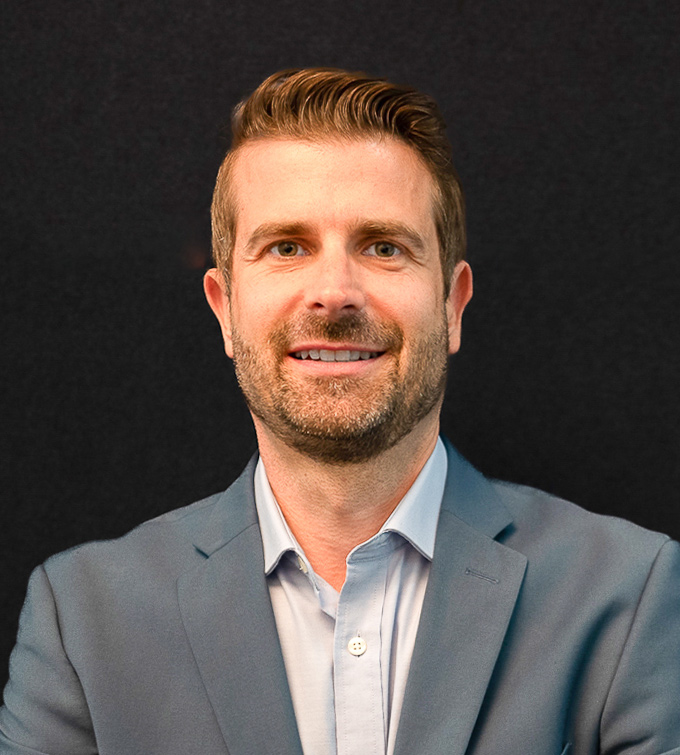
Matthias Müllner
CEO and co-founder of bespark*bio

Kerstin Stangier
Head of Corporate Development, Governance & Sustainability, BioSpring
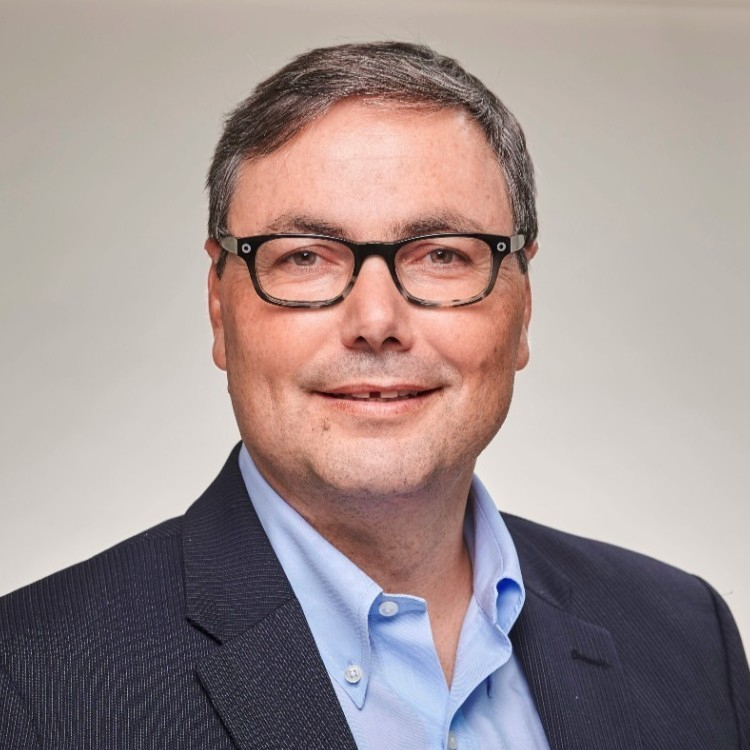
Yann Dherve
Chief Executive Officer - CDMO, Cohance Lifesciences

Roger La Force
Managing Director, Dorra Pharma Group

Joanne Flinn
Chair, The ESG Institute

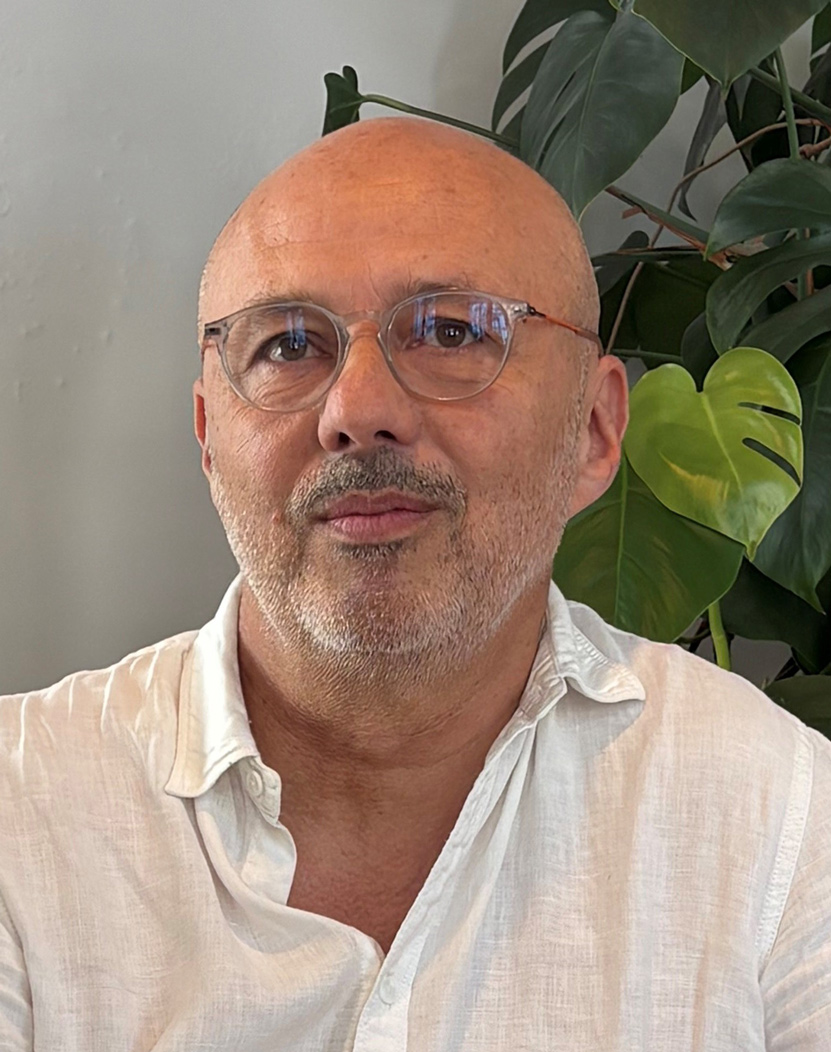
Xavier Touche1, Alain Goasguen2
1. Global Head of Supply Chain at Euroapi
2. Head of Environment & Energy at Euroapi

Anne Lise Kopp
Corporate ESG & Transformation Leader, Flamma Group

Robert Dream
Managing Director, HDR COMPANY LLC

Nathalie Huther
Chief Commercial Officer, HFR
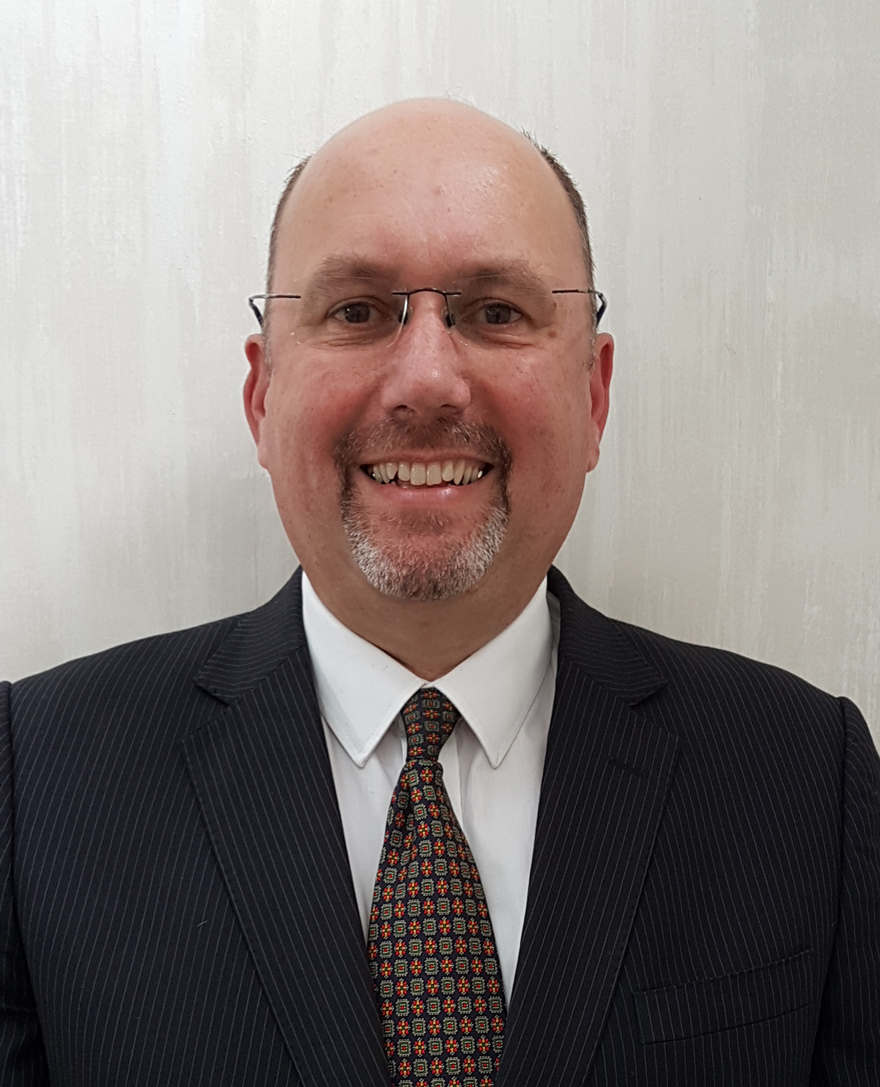
Justin Mason-Home, FRSC
Owner/Director, HPAPI Project Services Limited

Patrizia Fazio
Head of applied research coordination, Imprima

Laura Monti
Responsible Sourcing - Purchasing department, Indena

Stanislav Kazanov
Head of GRC, Cybersecurity & Sustainability, Innowise

Sonja Merkas
Founder and CEO, Livinovea

Verena Buback
Head of Sustainability Strategy, Merck Procurement
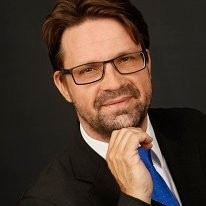
Dirk Kirschneck
Strategic Director,
Microinnova Engineering GmbH
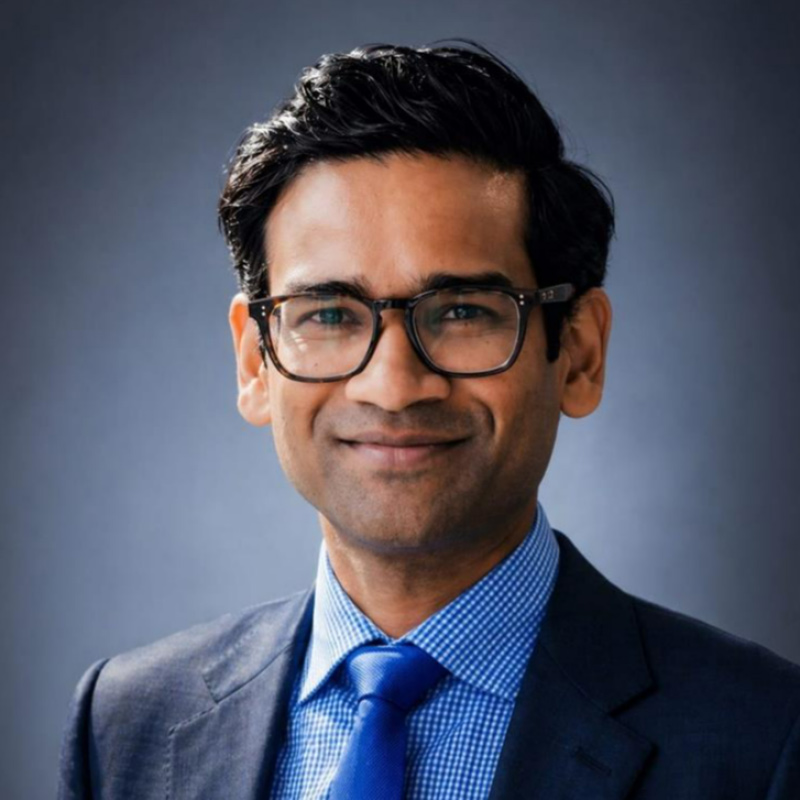
Saharsh Davuluri
CEO & Managing Director, Neuland Laboratories
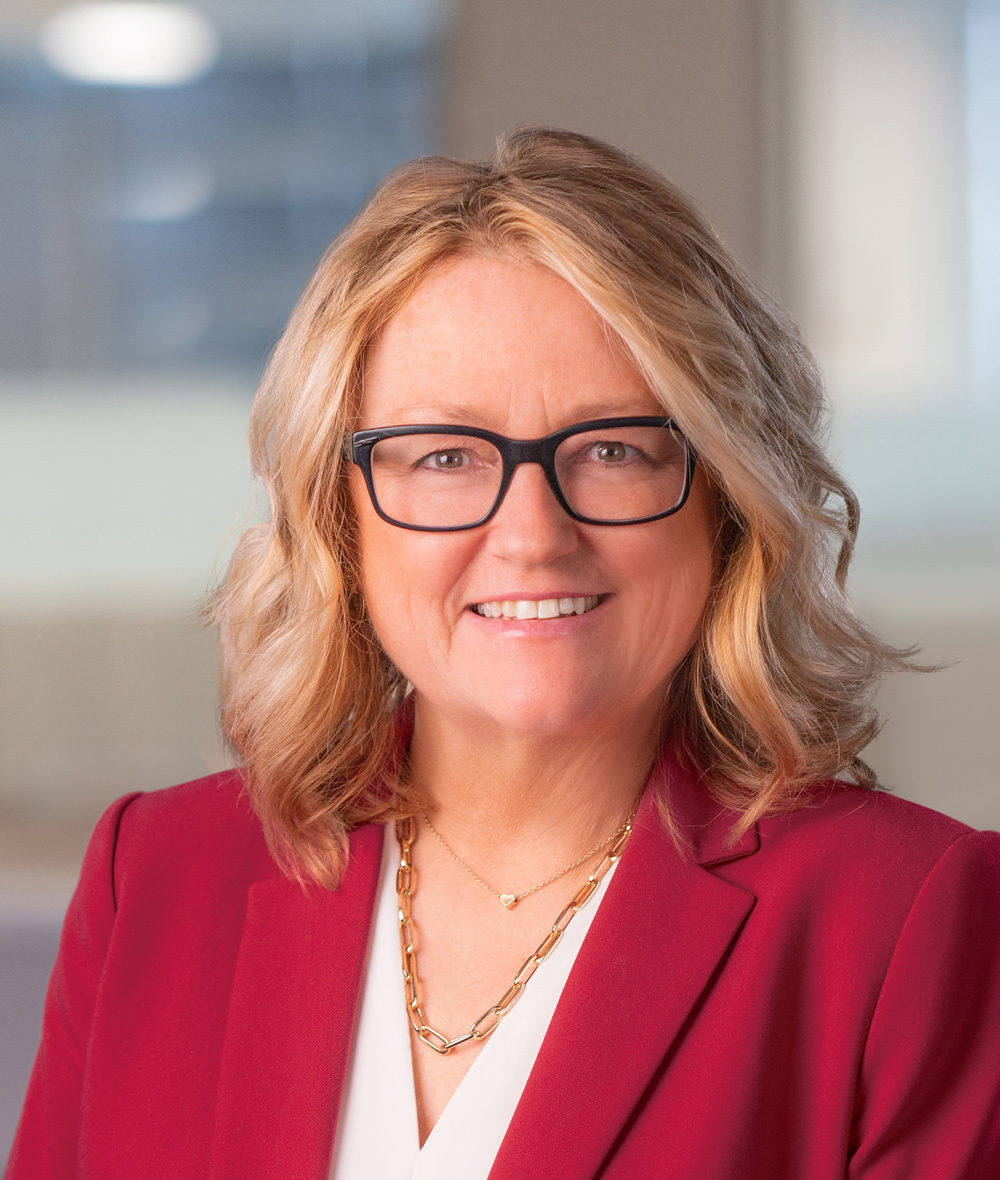
Tammy Cooper
President, Nitto Avecia and
Nitto Avecia Pharma Services

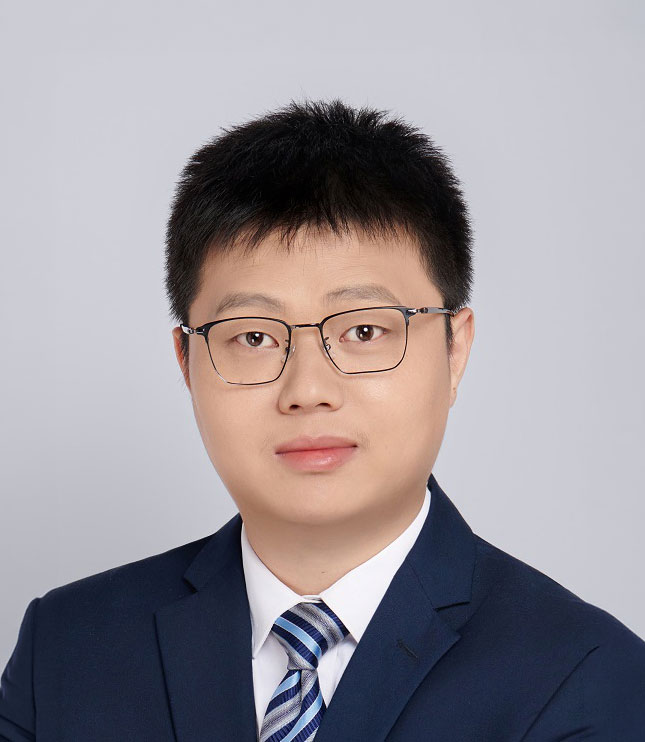

Shaojun Zhu1, Dongxin Zhang2, David Ennis3
1. Director of Sustainability Development, PharmaBlock
2. Executive Director and Head of Business for New Modalities, PharmaBlock
3. Executive Advisor, PharmaBlock
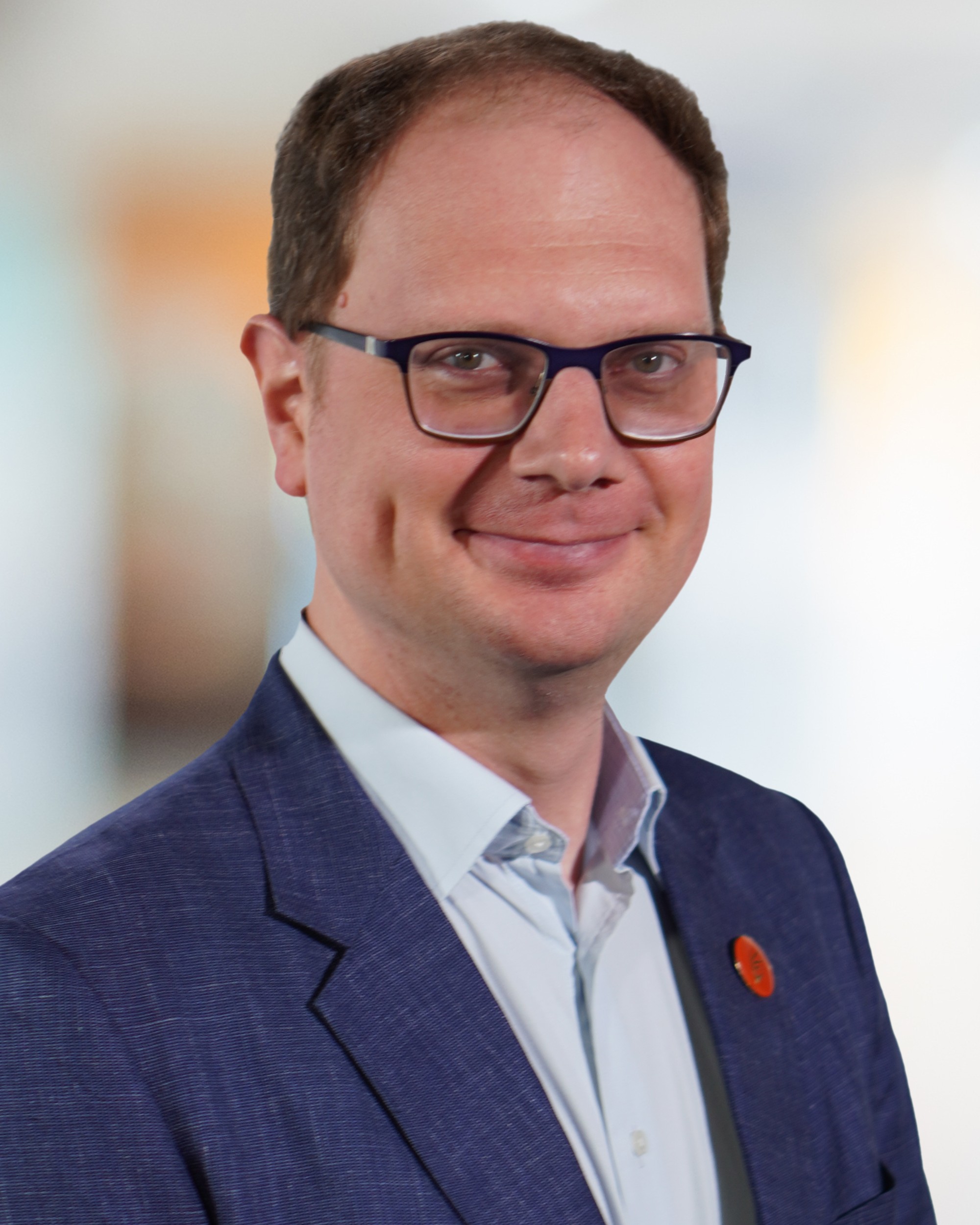
Peter DeYoung
CEO, Piramal Global Pharma

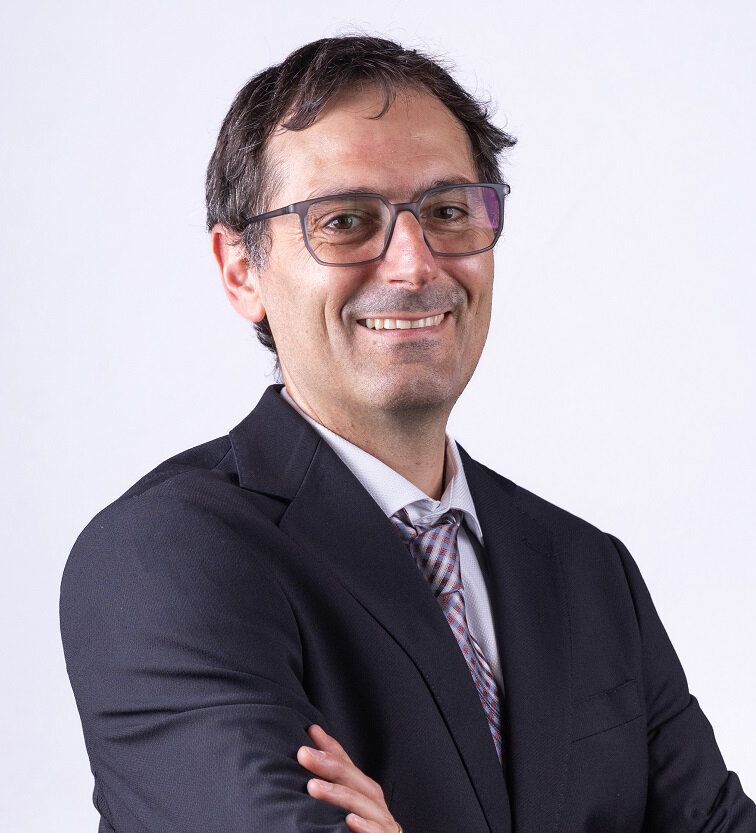
Sonia Rasi1, Michele Tappa2
1. Financial Director & Chief Sustainability Officer, Procos
2. ESG Manager, Procos
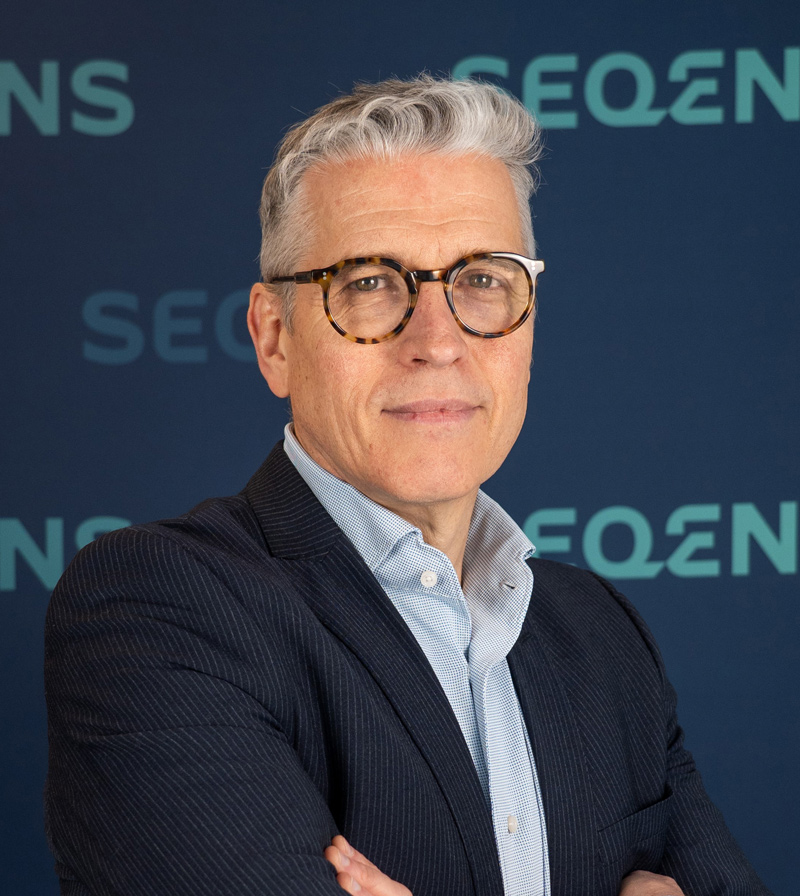
Pascal Villemagne
CEO, Seqens
Darryl Ratty
Executive Director, Global ESG, SK pharmteco

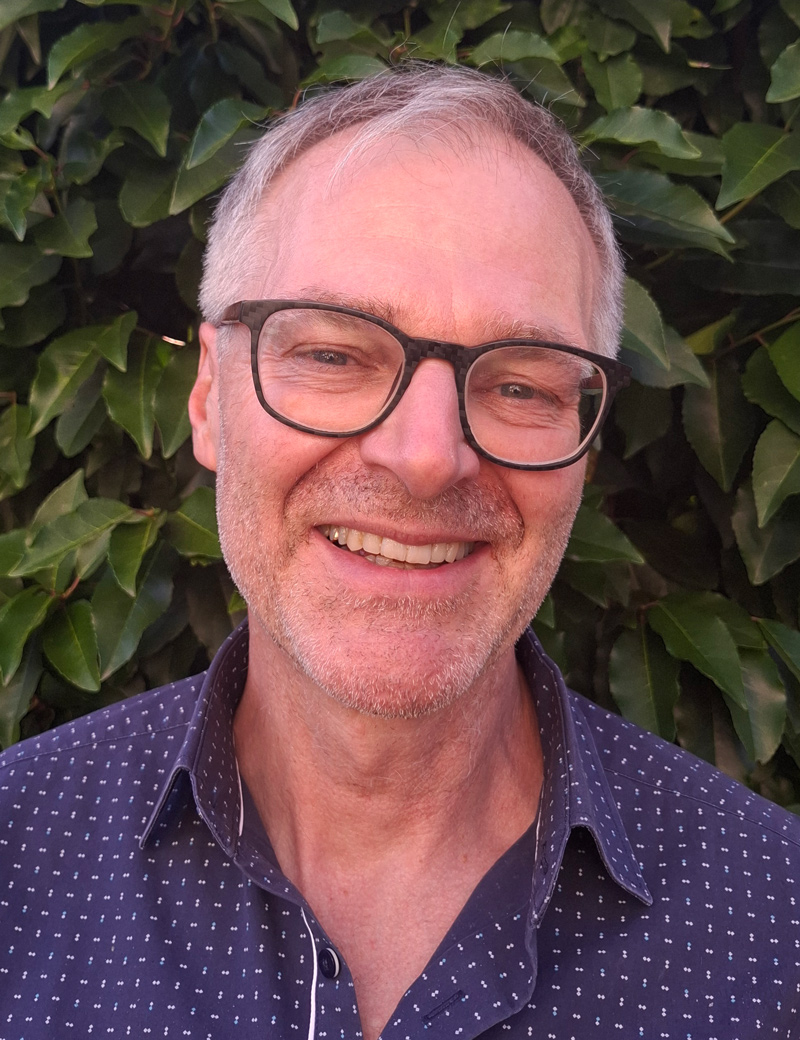
Natalia Agüeros1, Ralf Karch2
1. Sr. Director, ESG & Sustainability, Umicore
2. Director BU Research & Development at PMC, Umicore

Dani Reguant
Supply Chain Director, Uquifa Group
References and notes
- Howes, M.J.R., Simmonds, M.S.J. and Kite, G.C. (2004) 'Evaluation of the quality of sandalwood essential oils by gas chromatography–mass spectrometry', Journal of Chromatography A, 1028(2), pp. 307-312. doi: 10.1016/j.chroma.2003.11.093.
- RTI Health, Social, and Economics Research (2002) 'The Economic Impacts of Inadequate Infrastructure for Software Testing', Report prepared for the National Institute of Standards and Technology (NIST), Gaithersburg, MD.