
Panel discussion on...
ESG & Strategic Partnerships in Pharma Supply Chain

Global Director of Supply Chain Strategy for Drug Substance, Evonik

Shabnam Navi Nejand

Shabnam Nejand has more than 17 years’ experience in the specialty chemicals and pharmaceutical industries, with expertise in supply chain management, digital transformation, operational excellence, and strategic business leadership. Her work focuses on advancing resilient, data-driven supply chains through innovation, sustainability, and the practical application of emerging technologies, including artificial intelligence

COMMENTARY ARTICLE
Pharmaceutical supply chains are amongst the most complex operational ecosystems in today’s globalized economy. At the end of the chain is the treatment for the patient. This must be safe, reliable and constantly available, with the market authorization holder being responsible and accountable for their product in the market. Delivering this end product requires dozens of interconnected steps, from labelling, packaging and formulation to chemical or biotechnological API and intermediate production, all the way back to base chemicals. GMP operations and specialized logistics, such as cold-chain transportation, are often required. The full process can involve more than a dozen companies working across the supply chain.
Outsourcing products and services does not transfer responsibility; companies remain accountable for governing the full supply chain responsibly across environmental, ethical, labor, safety, health and management dimensions. This requires a clear understanding of how each partner in the value chain performs on ESG.
ESG (Environmental Social and Governance) is continuing to gain importance, not just as a reputational issue, or compliance requirement, but also as a strategic differentiator. This is especially true for CDMOs seeking to position themselves as preferred partners. For CDMOs, ESG performance can be a powerful differentiator because it directly affects the quality, resilience and transparency of the outsourced supply chain.
Environmental topics such as greenhouse gas emissions, toxic material handling, waste, water and land use; social topics such as worker and process safety and labor standards; and governance topics such as accountability, ethics, fair competition and risk management all influence how pharma companies assess supplier risk and long-term partner value. CDMOs that can demonstrate credible progress in these areas help customers meet rising regulatory and stakeholder expectations, reduce operational and reputational risk, and improve the sustainability profile of their products.
In the contributions for this panel article, there is growing consensus among the contributors that ESG is developing from mere disclosure of data as part of information questionnaires to become an integral part of the operating model of the pharmaceutical supply chain. Many CDMOs have acknowledged this requirement and embrace it to foster operational excellence, also integrating it into their customer journey and value creation (Axplora). Innovators, or more generally, outsourcing and procurement organizations include ESG KPIs as strong decision drivers for supplier selection, especially for the establishment of a strategic partnership that goes beyond basic transactions (Merck KGA). There is an increasing expectation that CDMO services across the entire supply chain become a transparent, integrated part of a company’s own operation, and that key data including ESG is visible and extractable for the sponsor. Across the set of answers in this panel, strategic partnership is defined by shared objectives, data sharing, technical collaboration and joint accountability.
The Merck KGaA contribution, for instance, describes ESG as embedded in procurement decision-making and supplier lifecycle management, including a Supplier Sustainability Score integrated into the supplier selection process. The outcome of sourcing decisions is part of corporate performance targets and weigh in on management performance goals. This is significant because it shows ESG moving from policy language into incentive structures, procurement systems, and supplier governance.
Another clear conclusion from the collected contributions is that ESG, and sustainability leadership in particular, will increasingly depend on thoughtful process design. This includes route selection, reagent and solvent choices, and process intensification that improve sustainability metrics even before production begins. This is particularly important in small-molecule API manufacturing and increasingly important for the manufacture of complex modalities like peptides and oligonucleotides, where solvents can dominate process mass intensity and waste generation. Livinovea, for instance, cites figures that illustrate the challenge: For small molecule APIs, on average 182 kg of waste are generated; solvents account for 80–90% of the process mass intensity (PMI), while solid phase oligonucleotide synthesis (SPOS) PMIs can exceed 4,000.
Sustainability is no longer an abstract idea promoted by marketing departments; it is an industry-wide responsibility that connects environmental stewardship with cost efficiency and technical process design. It cannot be added at the end, once yields, concentrations and solvent use are already built into the manufacturing process. Instead, sustainability must be integrated from the earliest stages of development.
Several contributions illustrate this point by showing how leaner processes can deliver measurable sustainability benefits. Axplora reports a case study where tetrahydrofuran (THF) consumption was reduced by 70%, cutting waste by about 45 tons per year, while Agilent describes solvent waste-stream reclamation that improved PMI by up to 30% with pharma partners. Microinnova emphasizes process intensification, telescoping, and flow as ways to reduce waste by minimizing workups and inconsistent processing environments.
Another major theme discussed in the contributions is the link between ESG governance and growing supply chain risks driven by geopolitical tensions and conflicts, climate change and social instability. Innowise, for example, argues that the separation between ESG and operational risk has always been artificial. CDMOs are no longer assessed on capacity, quality track record or technical capabilities alone, but need to demonstrate responsible conduct with ESG and their own resilient supply chain strategies.
Several contributions in this panel article highlight supplier enablement as a key element of ESG success. Larger companies in the market, such as Evonik, often have standalone ESG frameworks embedded in their corporate infrastructure, while smaller specialist companies may integrate it more pragmatically through technical and sourcing decisions, as described by HFR.
ESG performance is not achieved by pushing requirements down the chain – according to the ESG institute. Smaller and some medium-sized suppliers, for example, may lack expertise, access to data infrastructure or simply working capital flexibility. In these cases, partnership is particularly important.
If pharma companies and large CDMOs expect their upstream suppliers to decarbonize, enable traceability and adopt better environmental practices, they may also need to provide training, longer-term commitments, financing mechanisms, shared tools, or capability-building support.
Neuland’s NeuACTS supplier capability-building approach, including workshops, webinars, training, and EcoVadis Carbon Action Manager support, reinforces this idea. Piramal similarly frames procurement as a missing sustainability lever and emphasizes supplier engagement and capability-building over compliance-only approaches.
Alongside environmental goals such as reducing the carbon footprint, the contributions also touch on topics such as worker and process safety, resource saving, biodiversity, community interaction, ethics, governance, digitalization and human expertise.
HPAPI Project Services, for instance, places occupational health and safety at the top of its ESG priorities. In highly potent API manufacturing, protecting workers is a core competency that directly influences operational performance and company reputation.
Indena’s contribution describes biodiversity and community aspects, when sourcing vegetal raw materials. Responsibility includes understanding species, environmental impacts and the communities involved in cultivation and harvest and implicates long-term supplier relationships. This moves ESG beyond facility-level metrics and into ecosystems, livelihoods, ethics and long-term supplier relationships. It also highlights that certifications and digital tools are helpful but cannot fully replace field-level engagement and human expertise.
Another prominent theme throughout the contributions is digitalization and how data is being leveraged to foster decision-making. The panelists agree that a sound basis of data and different data architecture is needed --not simply more data. Merck, for instance, highlights the importance of building a consolidated foundation of data and business processes before deploying AI.
ESG data displayed on dashboards alone does not create resilience or reduce emissions. Reliable, machine readable, accessible and auditable data needs to become the basis for the entire process including development, risk management, data protection and supplier engagement. There is consensus that future leaders will be defined by their ability to use ESG data for predictive decisions along their supply-chain.
Circularity also features prominently in the contributions, especially solvent recovery, catalyst recovery, water reuse, waste valorization, and precious-metal traceability. Circularity in pharma is constrained by regulatory expectations, and GMP requirements. Again, early adoption of practices like solvent recovery during process development is highlighted, e.g. by Dorra, as well as added challenges related to product quality aspects, like Nitrosamine formation in specific solvents, as described by EuroAPI.
Taken together, the contributions point to a practical definition of ESG leadership in pharmaceutical supply chains. By 2030, leadership will not be defined by polished reports, but the ability to embed sustainability into everyday technical and commercial decisions. The strongest organizations will combine scientific process excellence with digital decision intelligence; they will co-design lower-impact processes, provide verifiable product and supplier data, build resilient partnerships, support suppliers, protect workers, and link ESG performance to governance, accountability and incentives.
For CDMOs, this creates both pressure and potential advantage. Customers will expect stronger data, clearer governance, closer supplier engagement, better environmental metrics and credible decarbonization pathways. At the same time, ESG can become a source of differentiation. CDMOs that reduce solvent use, improve PMI, can support the development and establishment of intensified or continuous processes, support product carbon-footprint calculations, maintain robust safety systems, demonstrate resilient sourcing and collaborate transparently with customers can move beyond capacity provision to become strategic partners.
ESG is not a separate agenda competing with cost, quality, speed, or resilience. Done well, ESG connects these agendas, improves process efficiencies and better reduces both waste and cost. Stronger supplier relationships improve resilience. Better data improves both reporting and decision-making. Worker safety protects people and operations. Circularity reduces dependency and environmental burden. Governance turns ambition into measurable execution.
The conversation, therefore, should not ask whether ESG matters in pharmaceutical supply chains. That question has been answered. The more relevant question is how ESG becomes operational: how it enters route selection, procurement, supplier finance, technology transfer, plant design, quality systems, waste reduction, digital infrastructure, and commercial partnerships. The future of ESG in pharma will be defined not by declarations, but by execution. And execution will depend on whether companies can turn transparency into action, process science into measurable footprint reduction, supplier relationships into resilient ecosystems, and governance into better decisions for patients, customers, employees, and society.
Panelists

Blake Unterreiner
Vice President and Business Unit Leader, Agilent Advanced Therapeutics


Michael Rainey
Director of Supply Chain, Almac Sciences

Françoise Durand-Rivoire
Global Head of ESG, Axplora

Hans van Hees
COO of Bachem AG

Matthias Müllner
CEO and co-founder of bespark*bio

Kerstin Stangier
Head of Corporate Development, Governance & Sustainability, BioSpring

Yann Dherve
Chief Executive Officer - CDMO, Cohance Lifesciences

Roger La Force
Managing Director, Dorra Pharma Group

Joanne Flinn
Chair, The ESG Institute


Xavier Touche1, Alain Goasguen2
1. Global Head of Supply Chain at Euroapi
2. Head of Environment & Energy at Euroapi

Anne Lise Kopp
Corporate ESG & Transformation Leader, Flamma Group

Robert Dream
Managing Director, HDR COMPANY LLC

Nathalie Huther
Chief Commercial Officer, HFR

Justin Mason-Home, FRSC
Owner/Director, HPAPI Project Services Limited

Patrizia Fazio
Head of applied research coordination, Imprima

Laura Monti
Responsible Sourcing - Purchasing department, Indena

Stanislav Kazanov
Head of GRC, Cybersecurity & Sustainability, Innowise

Sonja Merkas
Founder and CEO, Livinovea

Verena Buback
Head of Sustainability Strategy, Merck Procurement

Dirk Kirschneck
Strategic Director,
Microinnova Engineering GmbH
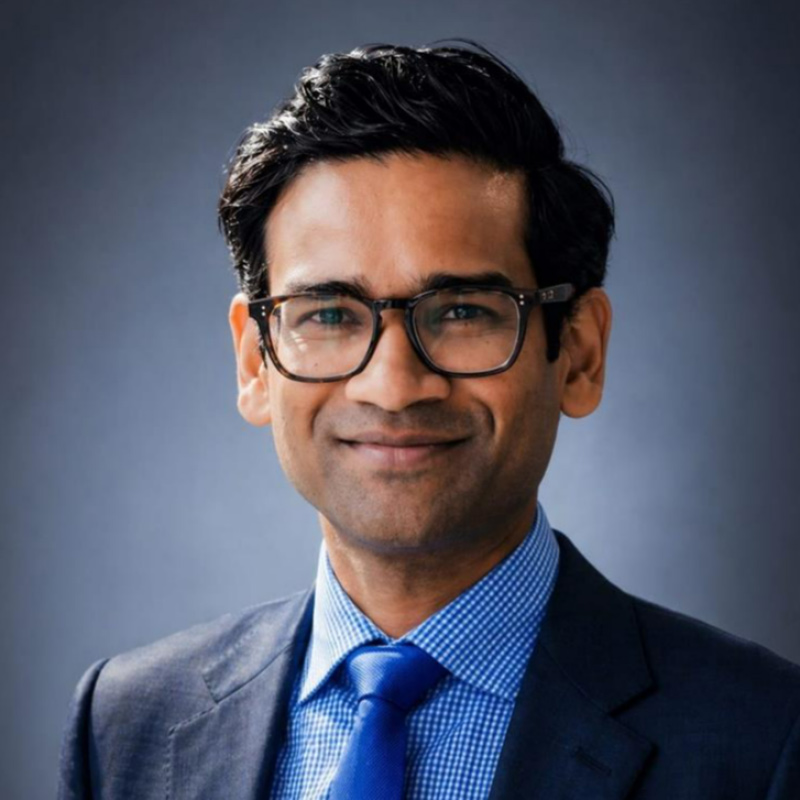
Saharsh Davuluri
CEO & Managing Director, Neuland Laboratories

Tammy Cooper
President, Nitto Avecia and
Nitto Avecia Pharma Services



Shaojun Zhu1, Dongxin Zhang2, David Ennis3
1. Director of Sustainability Development, PharmaBlock
2. Executive Director and Head of Business for New Modalities, PharmaBlock
3. Executive Advisor, PharmaBlock

Peter DeYoung
CEO, Piramal Global Pharma

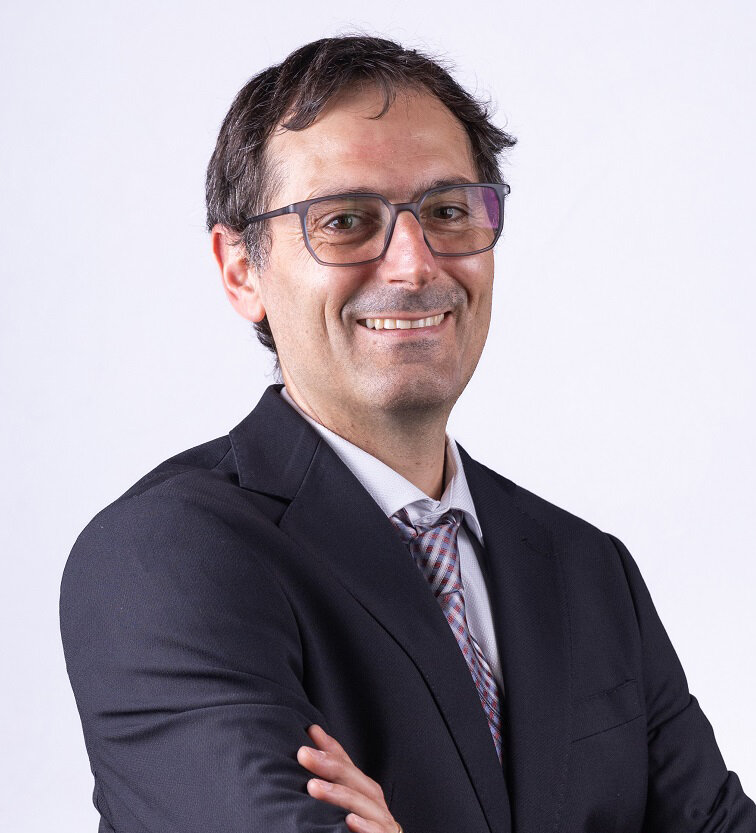
Sonia Rasi1, Michele Tappa2
1. Financial Director & Chief Sustainability Officer, Procos
2. ESG Manager, Procos
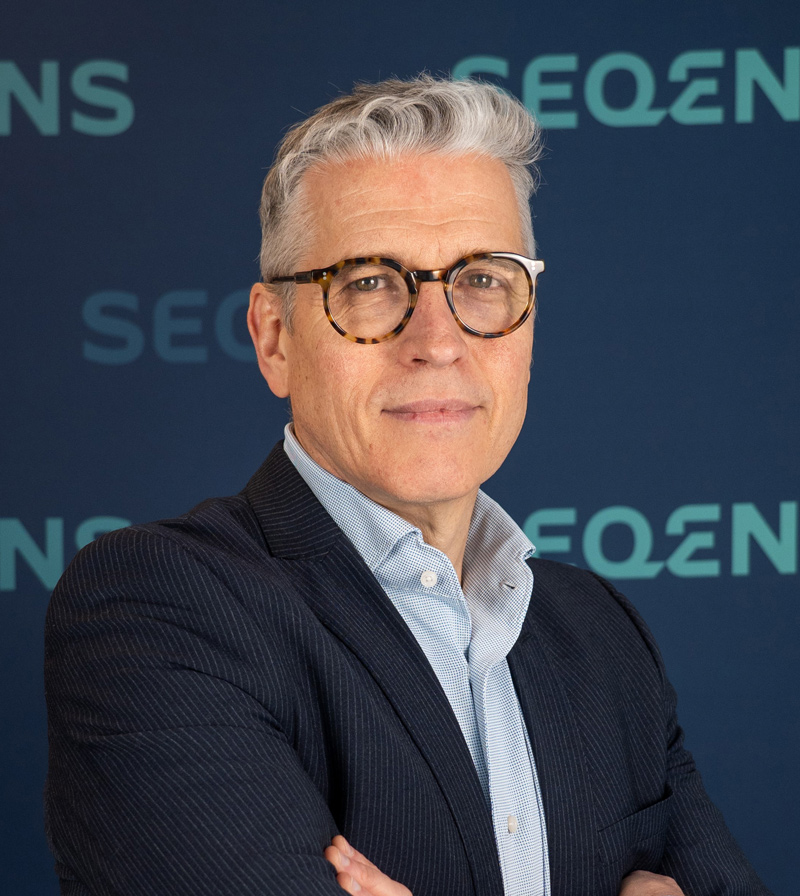
Pascal Villemagne
CEO, Seqens

Darryl Ratty
Executive Director, Global ESG, SK pharmteco


Natalia Agüeros1, Ralf Karch2
1. Sr. Director, ESG & Sustainability, Umicore
2. Director BU Research & Development at PMC, Umicore

Dani Reguant
Supply Chain Director, Uquifa Group