
Panel discussion on...
ESG & Strategic Partnerships in Pharma Supply Chain


Saharsh Davuluri
CEO & Managing Director, Neuland Laboratories
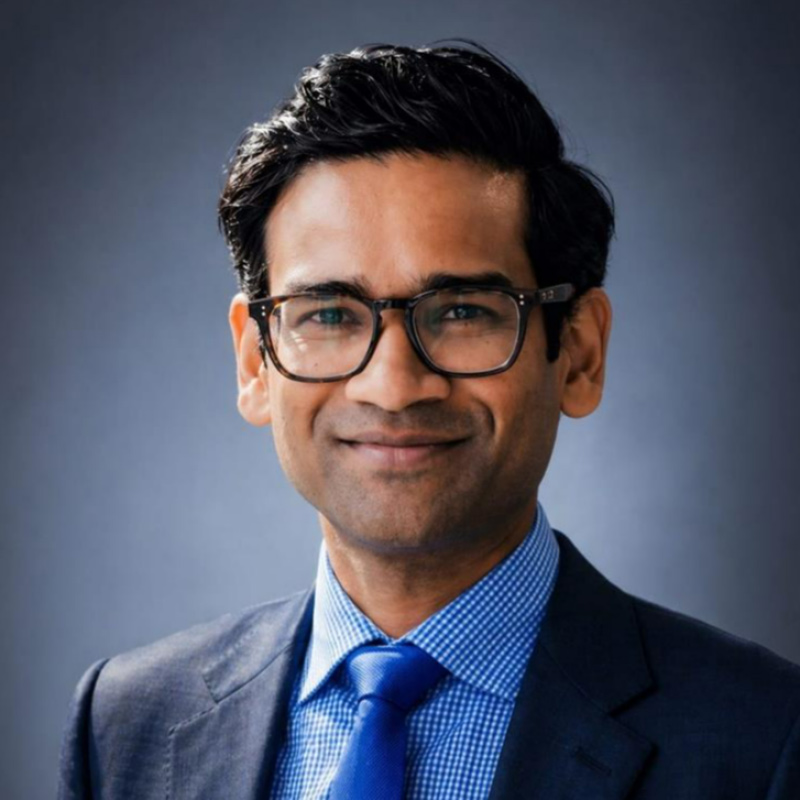

Is ESG Moving Beyond Compliance to Become a Supply Chain Business Strategy?
For many years, ESG was treated as a parallel priority within pharmaceutical supply chains --- important for reporting and compliance, but not always central to operational decision-making. That view is changing rapidly.
Over the past few years, our industry has faced successive disruptions --- from geopolitical conflicts and trade tensions to shipping constraints and evolving regulatory expectations. Each has reinforced one lesson: pharmaceutical supply chains are no longer judged only by cost or efficiency, but by their ability to remain reliable and resilient when external conditions change.
As a result, ESG is moving beyond environmental reporting. The question is no longer whether a company has an ESG programme; it is whether ESG principles are embedded into the way its supply chain is designed, governed and continuously improved.
For pharmaceutical manufacturers and CDMOs, this shift matters deeply. ESG now influences how suppliers are selected, how materials are sourced, how risks are managed and, ultimately, how reliably medicines reach patients.
The pandemic made this particularly clear. No matter how tightly a company manages its own operations, supply chain security is only as strong as the supplier ecosystem behind it. For us, this means supplier management cannot be limited to periodic audits or annual reviews. It must become an ongoing process of engagement, capability building and continual improvement.
At Neuland, our view is clear: sustainability can no longer be managed within the boundaries of one organisation. It must be built collaboratively across the value chain. This belief is the driving force behind NeuACTS --- Neuland Advancing Collaboration Towards Sustainability --- our initiative launched in partnership with EcoVadis. Through this programme, we work directly with suppliers to strengthen sustainability capabilities rather than simply requesting ESG disclosures.
Through NeuACTS, we are engaging suppliers through workshops, webinars, training sessions and structured follow-ups to improve carbon measurement, sustainability reporting and readiness for evolving customer expectations. EcoVadis supports the programme through its Carbon Action Manager, helping suppliers measure and reduce their carbon footprint more effectively.
Our supplier evaluation process therefore looks beyond technical capability. It also considers adherence to our Supplier Code of Conduct, internationally recognised management standards such as ISO 9001, ISO 14001 and ISO 45001, and compliance with labour, environmental and ethical requirements. Every Tier 1 supplier is evaluated against defined performance parameters and monitored throughout the engagement.
The value of this approach is not limited to compliance. It strengthens resilience across the supply chain and creates greater confidence for customers who increasingly expect visibility, accountability and continuity from their partners.
Sourcing philosophy is equally important. At Neuland, more than 63% of our procurement by value comes from suppliers located within 800 kilometres of our manufacturing facilities. This proximity supports resilience through geography. In addition, over 40% of our procurement is sourced from MSMEs --- micro, small and medium enterprises --- which helps build a broader and more competitive supplier base, supporting flexibility and reducing dependence on a limited number of large partners.
This has several advantages. It reduces transportation requirements and associated emissions, while also shortening lead times, improving responsiveness and reducing exposure to long international logistics routes that may be affected by geopolitical events or shipping disruptions.
The last few years have shown how quickly global supply chains can be tested. Regional sourcing is therefore a practical way to improve responsiveness while reducing operational and geopolitical risk. It has also helped us reduce our dependence on imported raw materials, strengthening supply continuity for both our business and our customers.
Governance means preparing before disruption happens
ESG initiatives only become meaningful when they are embedded into everyday decision-making. At Neuland, we review environmental, health and safety performance through structured management reviews, supported by clearly defined indicators covering emissions, water consumption, waste generation and workplace safety. These objectives are incorporated into management scorecards and linked to performance incentives, ensuring sustainability outcomes remain aligned with business priorities rather than being treated as separate initiatives.
Annual reports and ESG disclosures should do more than record progress against past commitments. They should also help organisations look ahead --- identifying emerging ESG and supply chain risks, assessing their potential impact and defining mitigation plans before disruption occurs. The objective is not only to demonstrate what has been achieved, but to prepare for what could happen next.
Recent examples include trade tensions, tariffs, geopolitical realignments and the opportunities and risks associated with AI adoption. Rather than waiting for such developments to affect operations, CDMOs and pharmaceutical manufacturers need to continuously assess their potential impact on sourcing, logistics and customer deliveries. This allows mitigation measures to be evaluated early --- from contractual safeguards and supplier diversification to regional sourcing and manufacturing resilience.
When emerging risks are identified early, ownership can be assigned and response plans can be agreed in advance. This creates alignment within the organisation and provides greater confidence to customers, suppliers and other stakeholders as conditions evolve.
Building resilient partnerships does not end with identifying risks. It requires continuous dialogue, transparency and a willingness to improve together. Each year, we conduct customer surveys to understand satisfaction levels as well as changing expectations. Cross-functional teams review the findings, implement improvement plans and revisit progress with customers in the following year. This creates accountability across the organisation while ensuring our ESG priorities continue to evolve alongside customer expectations rather than remaining static targets.
The same philosophy extends to our suppliers. Regular engagement, capability-building programmes and ongoing dialogue help identify challenges early, encourage knowledge sharing and drive continuous improvement across the value chain.
Another important dimension of this evolution is transparency in operations. Digital tools are enabling a step change in how organisations provide evidence, trace decisions and govern complex workflows. Customers increasingly expect more than commitments; they expect visibility into sourcing practices, supplier performance and governance across the supply chain. Meeting these expectations requires robust systems that support traceability, audit readiness and informed decision-making.
At Neuland, we have adopted an AI-enabled RFP orchestration platform to bring greater structure, visibility and traceability to the journey from customer opportunity to project mobilisation. While the primary objective is to improve speed, accuracy and cross-functional execution during the RFP process, the same digital foundations also strengthen governance by creating clearer audit trails, improving decision discipline and ensuring that key assumptions, risks and approvals are captured within one controlled workflow.
Looking ahead
By 2030, I believe the industry's leading CDMOs will not necessarily be defined by the size of their manufacturing footprint alone. They will be organisations capable of combining scientific expertise with operational resilience, responsible digitalisation, transparent governance and collaborative supplier partnerships across increasingly complex global supply networks.
Ultimately, sustainability is not something any company can achieve on its own. It requires collaboration between CDMOs, suppliers, customers and regulators. Organisations that invest in strengthening the entire ecosystem --- not only their own operations --- will be best positioned to deliver long-term value, continuity and innovation for the pharmaceutical industry.
ESG is no longer a compliance exercise. For the pharmaceutical industry, it is becoming one of the foundations of resilient, responsible and trusted supply chains.
Panelists

Blake Unterreiner
Vice President and Business Unit Leader, Agilent Advanced Therapeutics


Michael Rainey
Director of Supply Chain, Almac Sciences
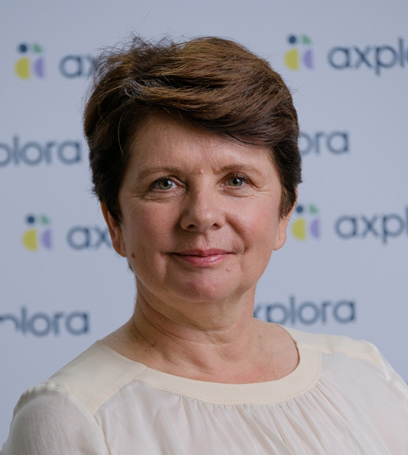
Françoise Durand-Rivoire
Global Head of ESG, Axplora
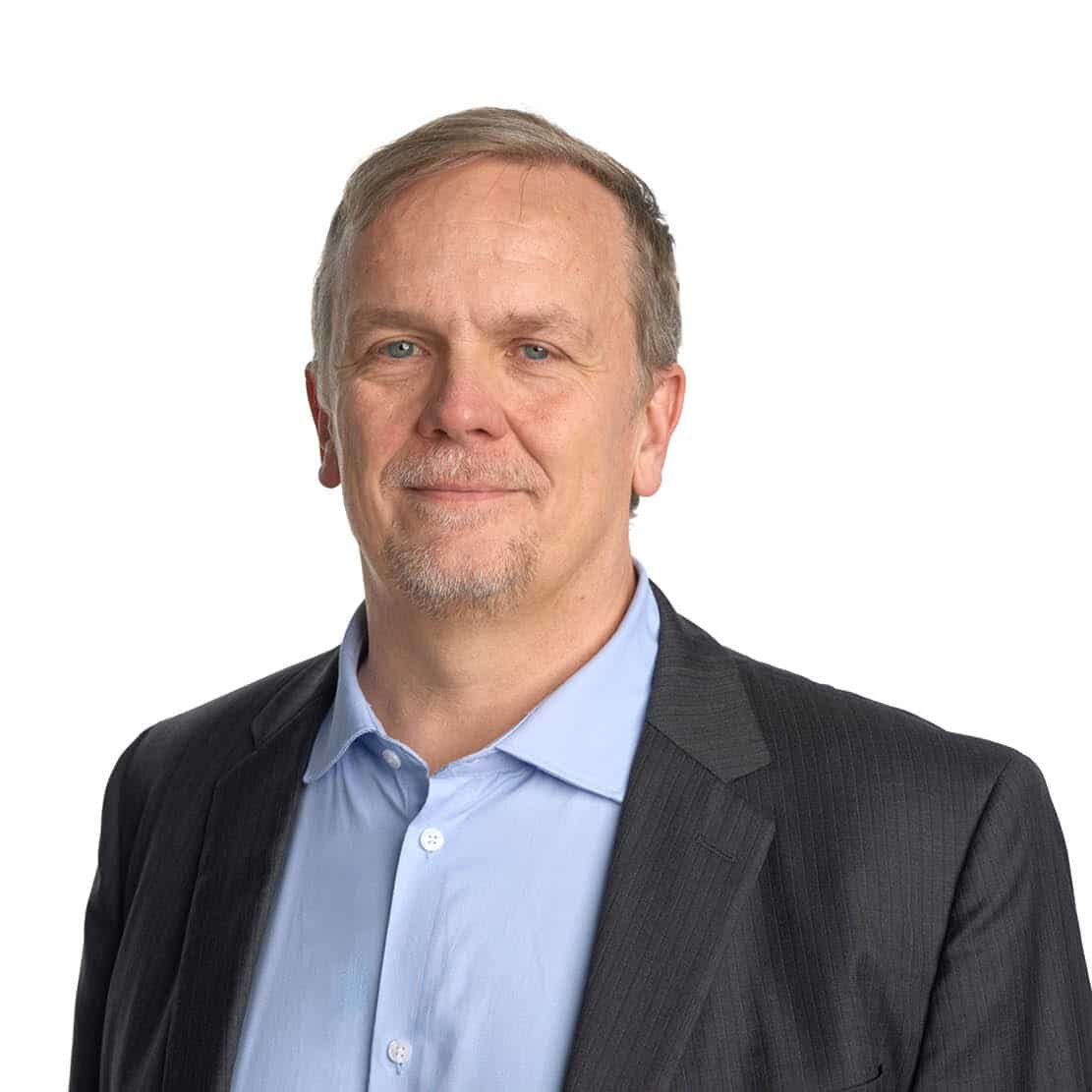
Hans van Hees
COO of Bachem AG

Matthias Müllner
CEO and co-founder of bespark*bio

Kerstin Stangier
Head of Corporate Development, Governance & Sustainability, BioSpring

Yann Dherve
Chief Executive Officer - CDMO, Cohance Lifesciences

Roger La Force
Managing Director, Dorra Pharma Group

Joanne Flinn
Chair, The ESG Institute


Xavier Touche1, Alain Goasguen2
1. Global Head of Supply Chain at Euroapi
2. Head of Environment & Energy at Euroapi

Anne Lise Kopp
Corporate ESG & Transformation Leader, Flamma Group

Robert Dream
Managing Director, HDR COMPANY LLC
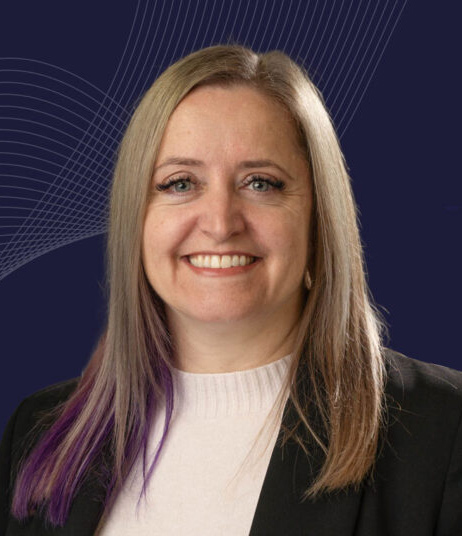
Nathalie Huther
Chief Commercial Officer, HFR
Justin Mason-Home, FRSC
Owner/Director, HPAPI Project Services Limited

Patrizia Fazio
Head of applied research coordination, Imprima

Laura Monti
Responsible Sourcing - Purchasing department, Indena

Stanislav Kazanov
Head of GRC, Cybersecurity & Sustainability, Innowise

Sonja Merkas
Founder and CEO, Livinovea

Verena Buback
Head of Sustainability Strategy, Merck Procurement
Dirk Kirschneck
Strategic Director,
Microinnova Engineering GmbH
Saharsh Davuluri
CEO & Managing Director, Neuland Laboratories
Tammy Cooper
President, Nitto Avecia and
Nitto Avecia Pharma Services


Shaojun Zhu1, Dongxin Zhang2, David Ennis3
1. Director of Sustainability Development, PharmaBlock
2. Executive Director and Head of Business for New Modalities, PharmaBlock
3. Executive Advisor, PharmaBlock
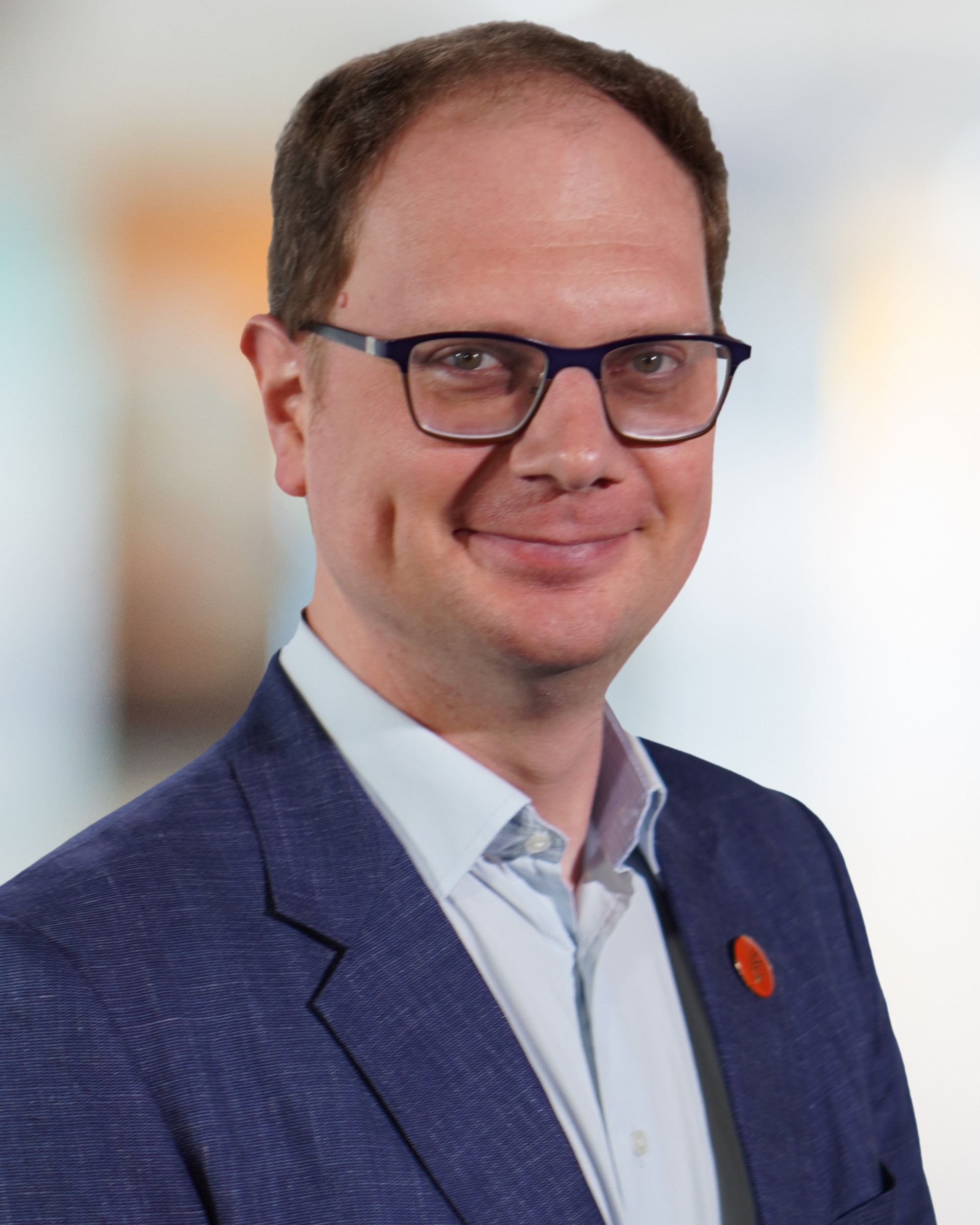
Peter DeYoung
CEO, Piramal Global Pharma

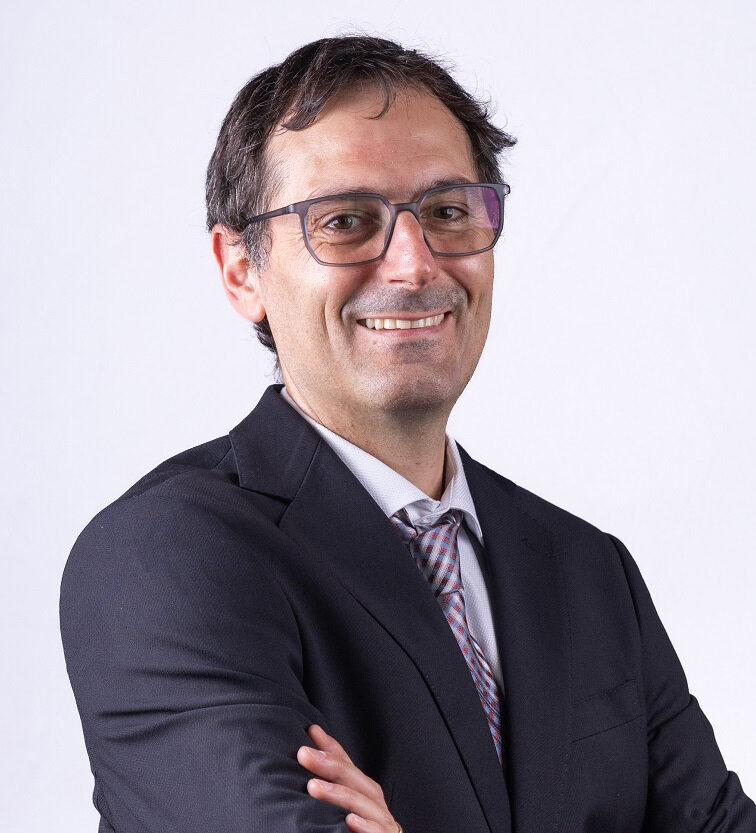
Sonia Rasi1, Michele Tappa2
1. Financial Director & Chief Sustainability Officer, Procos
2. ESG Manager, Procos
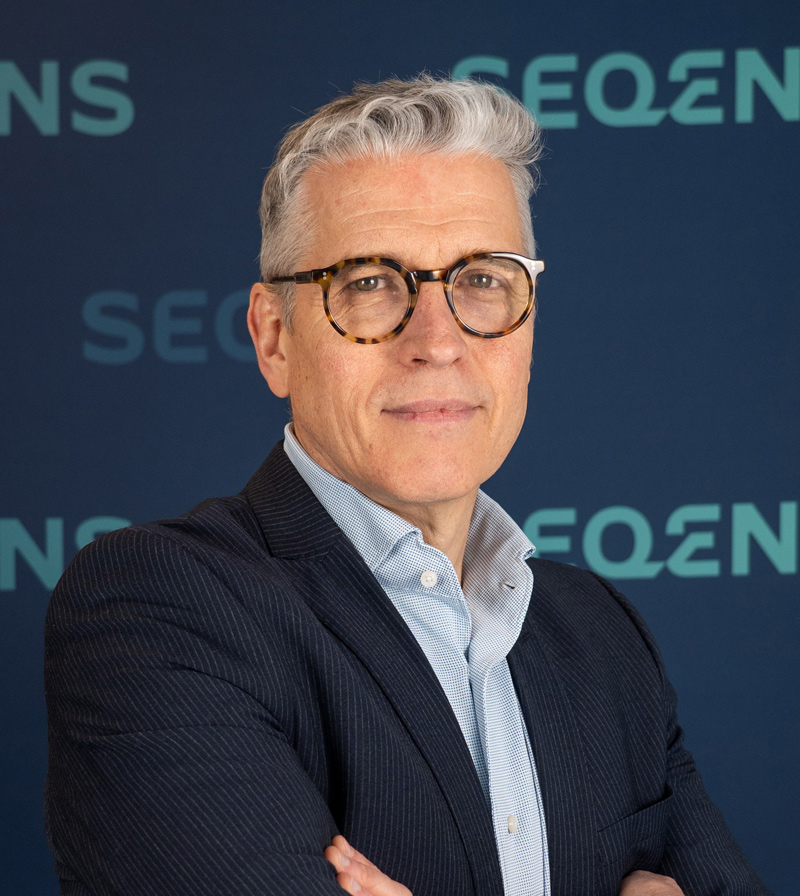
Pascal Villemagne
CEO, Seqens
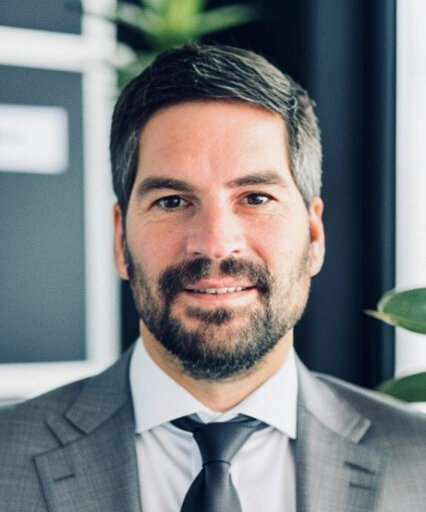
Darryl Ratty
Executive Director, Global ESG, SK pharmteco


Natalia Agüeros1, Ralf Karch2
1. Sr. Director, ESG & Sustainability, Umicore
2. Director BU Research & Development at PMC, Umicore

Dani Reguant
Supply Chain Director, Uquifa Group
References and notes
- Howes, M.J.R., Simmonds, M.S.J. and Kite, G.C. (2004) 'Evaluation of the quality of sandalwood essential oils by gas chromatography–mass spectrometry', Journal of Chromatography A, 1028(2), pp. 307-312. doi: 10.1016/j.chroma.2003.11.093.
- RTI Health, Social, and Economics Research (2002) 'The Economic Impacts of Inadequate Infrastructure for Software Testing', Report prepared for the National Institute of Standards and Technology (NIST), Gaithersburg, MD.