
Panel discussion on...
ESG & Strategic Partnerships in Pharma Supply Chain


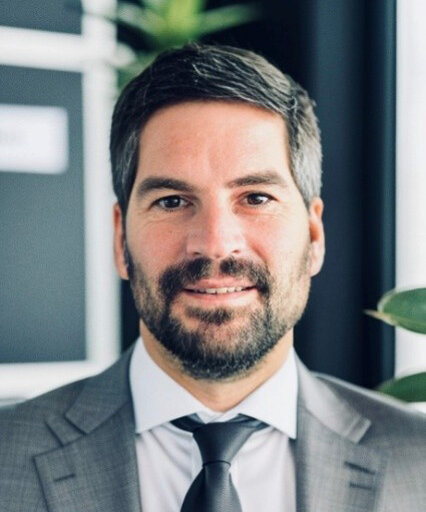
Darryl Ratty
Executive Director, Global ESG, SK pharmteco

How can ESG become a catalyst, not just a compliance requirement, for more resilient,
agile and future-ready pharma supply chains?
Executive Summary
If there is one thing I have learned over the past few years, it is that ESG can no longer sit alongside the business. It must be part of how the business operates.
For the pharmaceutical industry, this means looking beyond compliance and recognizing ESG as a driver of resilience, innovation, and long-term value. It also means acknowledging that we operate differently from many other industries. Every decision must protect patients' safety, product quality, and continuity of supply. Sustainability strengthens those priorities when it helps us find smarter and more resilient ways forward.
Making this transition will require shared effort across the whole industry. Whether the topic is decarbonization, circularity, supply-chain transparency, or responsible sourcing, these challenges extend far beyond the boundaries of any single organization. License holders, CDMOs, suppliers, regulators, and industry bodies all have an important role to play. Meaningful progress will come from working together rather than pursuing isolated solutions.
The pharmaceutical industry has a strong history of collaboration in scientific innovation. I believe there is now an opportunity, and a responsibility to bring that same collaborative mindset to sustainability.
ESG is increasingly shifting from "box-ticking" to being a strategic differentiator in pharma supply chains. How are you re-thinking your CDMO-supplier partnerships to embed environmental, social and governance criteria at the core of your contracts and operations?
One of the biggest shifts we see is that ESG has moved beyond a box companies are asked to check. It now plays an active role in how organizations choose suppliers, manage risk, and build long-term value.
At SK pharmteco, we see supplier relationships as true working relationships. Contracts, governance, and performance metrics all matter. However, the conversations that create the greatest progress are the ones where everyone is focused on the same outcome. This is why collaboration across the pharmaceutical supply chain is so important. License holders, CDMOs, and other suppliers all face different challenges, but many of the problems we are trying to solve are shared. Rather than working separately, we need to create more opportunities to exchange experiences, discuss barriers openly, and develop practical solutions together.
At the same time, it is important to recognize that sustainability does not exist in isolation. We manufacture medicines that patients rely on every day, so each sustainability initiative must be considered alongside quality, regulatory compliance, and security of supply. The goal is to find solutions that strengthen all these priorities, not to treat them as competing demands.
For me, this is where ESG becomes a strategic differentiator. It is not only about meeting today's expectations; it is about building stronger supplier relationships and more resilient supply chains for the future.
Supply-chain resilience and ESG are no longer separate agendas: climate events, social disruptions, governance lapses all inject risk. How are you integrating ESG factors into your supply-chain risk-management frameworks --- including supplier mapping, scenario-modelling, redundancy, reshoring/diversification strategy?
Over the last few years, it has become clear how quickly disruption can move through global supply chains. Whether it is driven by geopolitical conflict, climate-related events, or changing regulatory expectations, resilience has become one of the defining priorities for our industry.
For that reason, I do not see ESG and resilience as separate conversations anymore. Environmental, social, and governance risks are business risks. They need to be managed in the same disciplined way we manage quality, operational, and financial risks.
Building resilience starts with understanding your supply chain in greater detail. That means knowing not only who our direct suppliers are, but also where potential vulnerabilities exist further upstream. It also means thinking carefully about diversification, scenario planning, supplier engagement, and continuity planning. No organization can build true resilience on its own. The more transparency we have across the value chain, the better prepared we are to anticipate challenges before they become disruptions.
Throughout all of this, it is important to remember what success looks like. Our responsibility is to ensure that patients continue to receive safe, high-quality medicines, regardless of the challenges taking place around us.
How can CDMOs and pharma companies collaborate more effectively to overcome regulatory and technical barriers to circular economy adoption, such as solvent recovery or sustainable packaging?
Circularity is one of the clearest examples of why collaboration matters. Many opportunities, including solvent recovery and sustainable packaging, cannot be solved by one company acting alone. They are shaped by customer expectations, supplier capabilities, technology, regulation, quality requirements, and commercial realities.
That is why cross-industry collaboration is becoming increasingly important. When license holders, CDMOs, suppliers, regulators, and technology providers come together, there is space for honest discussion about what is working, what is not, and where the real barriers exist. Those conversations are often where the most practical ideas emerge.
Pharmaceutical manufacturing brings additional complexity. Every change must protect product quality, patient safety, and regulatory compliance. However, that should not slow innovation, it should encourage us to find better answers together.
With global supply chains under pressure from regulation, climate risk and stakeholder scrutiny, what digital tools or AI/ML-driven platforms are you using (or planning) to ensure real-time transparency, traceability and ESG performance across multiple tiers of your pharma supply network?
Digital technology has the potential to transform ESG in the same way it has transformed many other areas of manufacturing. Reliable real-time information across complex supply chains can help organizations move from reactive reporting to more proactive decision-making. AI and advanced analytics can also help identify risks earlier, improve resource efficiency, and strengthen supply-chain resilience.
To me, the real opportunity lies less in the technology itself and more in what it allows us to do. If we can develop more consistent ways of collecting, sharing, and interpreting ESG data across the pharmaceutical ecosystem, we can reduce duplication, improve transparency, and build greater trust between customers, suppliers, and regulators. Digitalization should not create another reporting burden. It should make collaboration easier, decision-making faster, and supply chains stronger.
Looking ahead to 2030 and beyond, what will define leadership in pharma supply-chain ESG? What capabilities will best-in-class organizations have --- and where are most firms falling behind today?
By 2030, I do not think ESG will be viewed as a separate function. The organizations leading the industry will be those that build sustainability into how they design products, manage suppliers, invest in operations, and make strategic decisions. ESG will simply be part of how successful businesses operate.
Where many organizations still have progress to make is in recognizing that real leadership extends beyond their own operations. The biggest opportunities ahead, including decarbonization, transparency, circularity, and responsible sourcing, depend on collaboration across the wider supply chain.
Companies that actively share knowledge, participate in industry initiatives, and help establish common approaches will accelerate progress for the broader industry. That is the kind of leadership our industry needs.
Looking to 2030, how will the role of CDMOs evolve in driving ESG innovation in pharma supply chains? What capabilities or partnerships will be most critical?
The role of the CDMO is evolving in an exciting way. Customers will always expect excellence in quality, regulatory compliance, and technical capability. Those fundamentals will not change. What is changing is the expectation that CDMOs also contribute ideas, innovation, and leadership around sustainability and resilience.
CDMOs sit between suppliers and pharmaceutical companies. This puts us in a unique position to connect different parts of the supply chain, share good practices, and help develop solutions that benefit the wider industry.
Looking ahead, I believe the organizations that create the greatest impact will be those that understand collaboration is not simply about delivering a service. It is about solving problems together.
Final Thoughts
For me, the future of ESG is not defined by reporting frameworks or compliance requirements. It is defined by our ability to work differently. The pharmaceutical industry has achieved extraordinary progress by collaborating to advance science and improve patient outcomes. We should bring that same mindset to sustainability.
None of us will solve decarbonization, circularity, or supply-chain transparency alone. These challenges are too interconnected, too global, and too complex. But license holders, CDMOs, suppliers, regulators, and industry groups can make meaningful progress together while avoiding unnecessary duplication of effort.
Most importantly, we should never lose sight of why this matters. Our responsibility is, and always will be, to deliver safe, high-quality medicines to the patients who depend on them. ESG supports that mission by helping build a pharmaceutical industry that can meet today's needs and remain resilient for future generations.
Panelists

Blake Unterreiner
Vice President and Business Unit Leader, Agilent Advanced Therapeutics


Michael Rainey
Director of Supply Chain, Almac Sciences
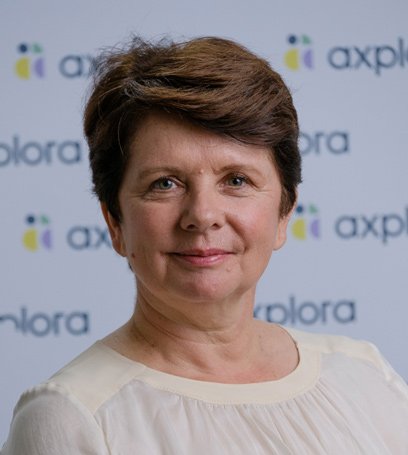
Françoise Durand-Rivoire
Global Head of ESG, Axplora

Hans van Hees
COO of Bachem AG
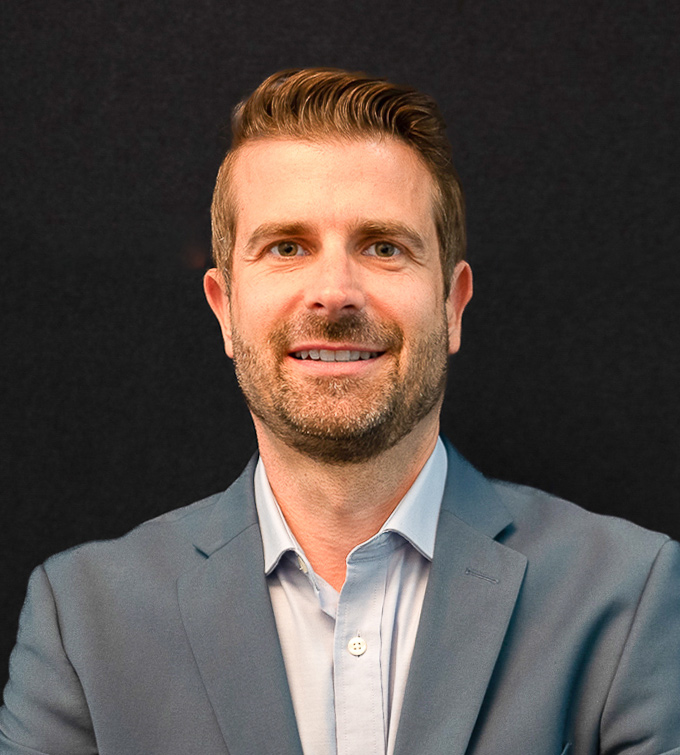
Matthias Müllner
CEO and co-founder of bespark*bio

Kerstin Stangier
Head of Corporate Development, Governance & Sustainability, BioSpring

Yann Dherve
Chief Executive Officer - CDMO, Cohance Lifesciences

Roger La Force
Managing Director, Dorra Pharma Group

Joanne Flinn
Chair, The ESG Institute


Xavier Touche1, Alain Goasguen2
1. Global Head of Supply Chain at Euroapi
2. Head of Environment & Energy at Euroapi

Anne Lise Kopp
Corporate ESG & Transformation Leader, Flamma Group

Robert Dream
Managing Director, HDR COMPANY LLC
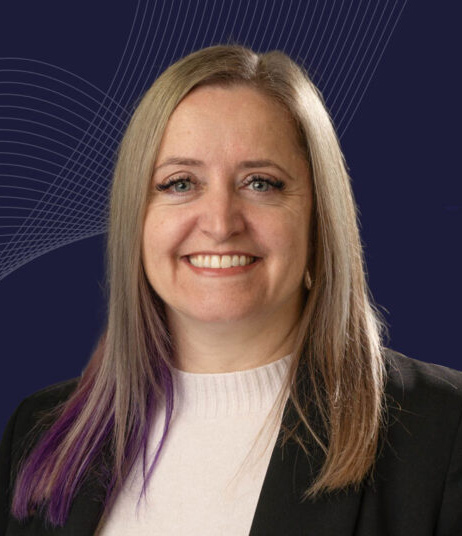
Nathalie Huther
Chief Commercial Officer, HFR

Justin Mason-Home, FRSC
Owner/Director, HPAPI Project Services Limited

Patrizia Fazio
Head of applied research coordination, Imprima

Laura Monti
Responsible Sourcing - Purchasing department, Indena

Stanislav Kazanov
Head of GRC, Cybersecurity & Sustainability, Innowise

Sonja Merkas
Founder and CEO, Livinovea

Verena Buback
Head of Sustainability Strategy, Merck Procurement

Dirk Kirschneck
Strategic Director,
Microinnova Engineering GmbH
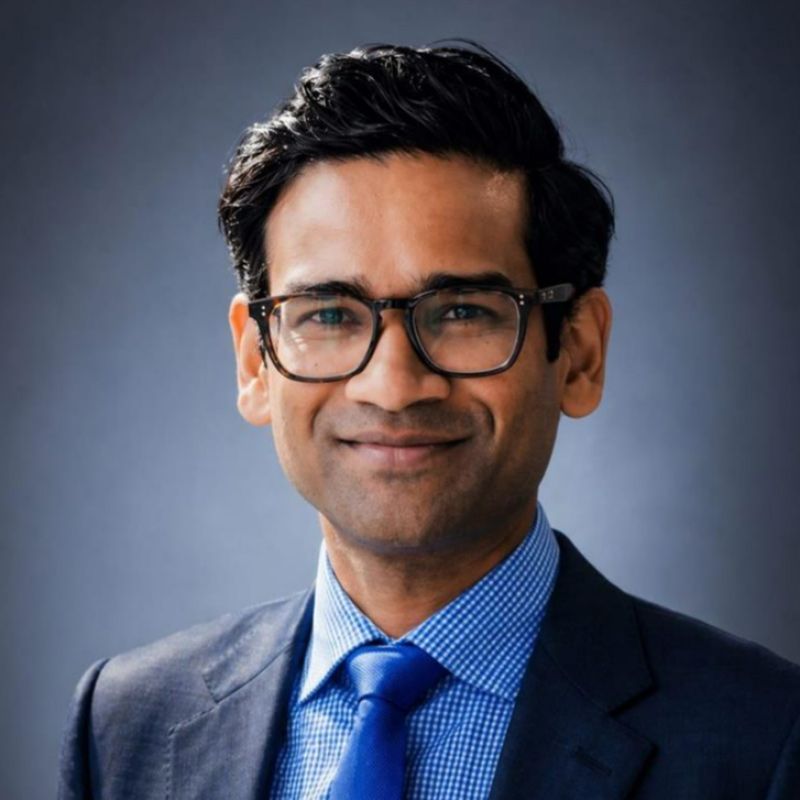
Saharsh Davuluri
CEO & Managing Director, Neuland Laboratories
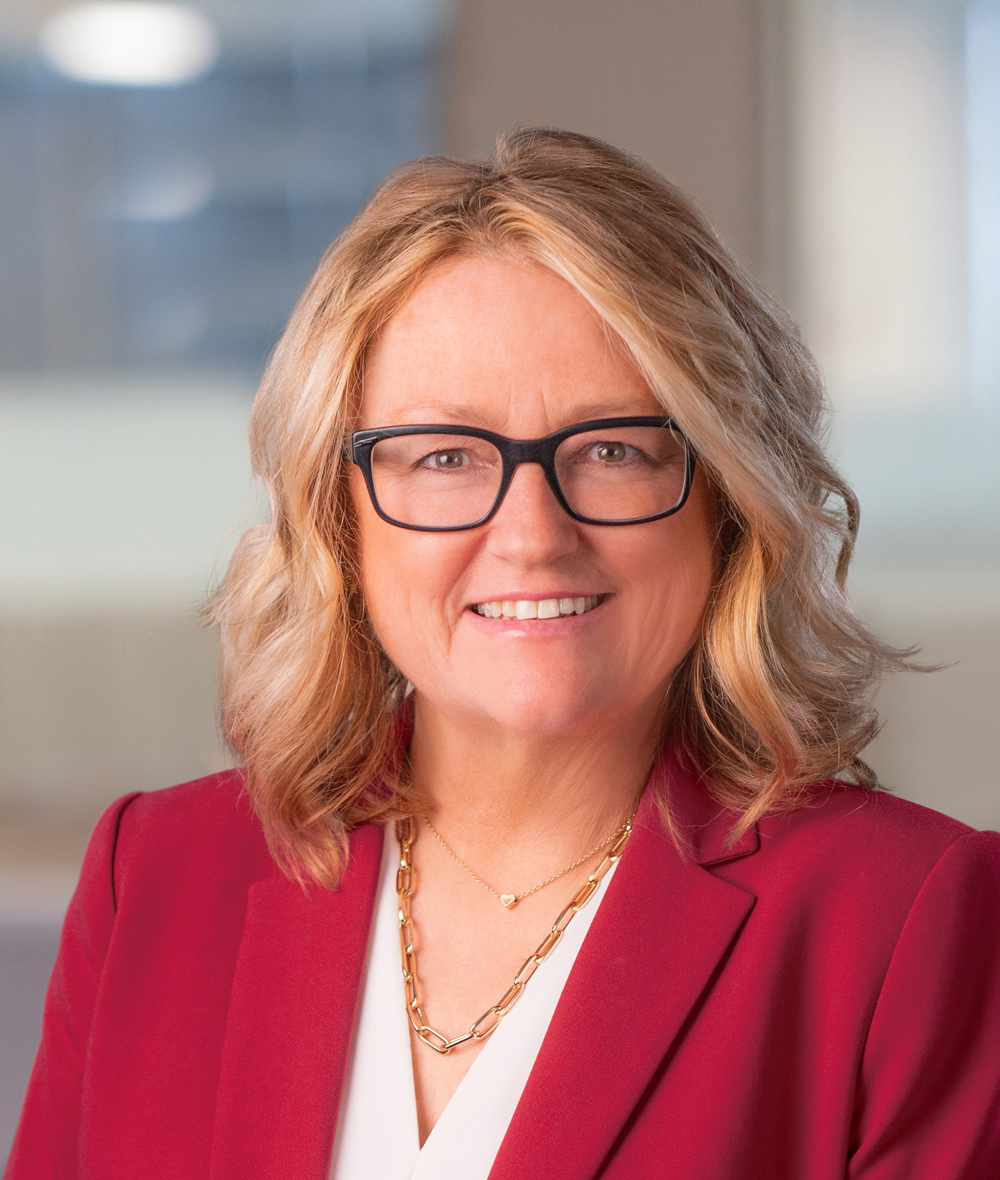
Tammy Cooper
President, Nitto Avecia and
Nitto Avecia Pharma Services



Shaojun Zhu1, Dongxin Zhang2, David Ennis3
1. Director of Sustainability Development, PharmaBlock
2. Executive Director and Head of Business for New Modalities, PharmaBlock
3. Executive Advisor, PharmaBlock

Peter DeYoung
CEO, Piramal Global Pharma

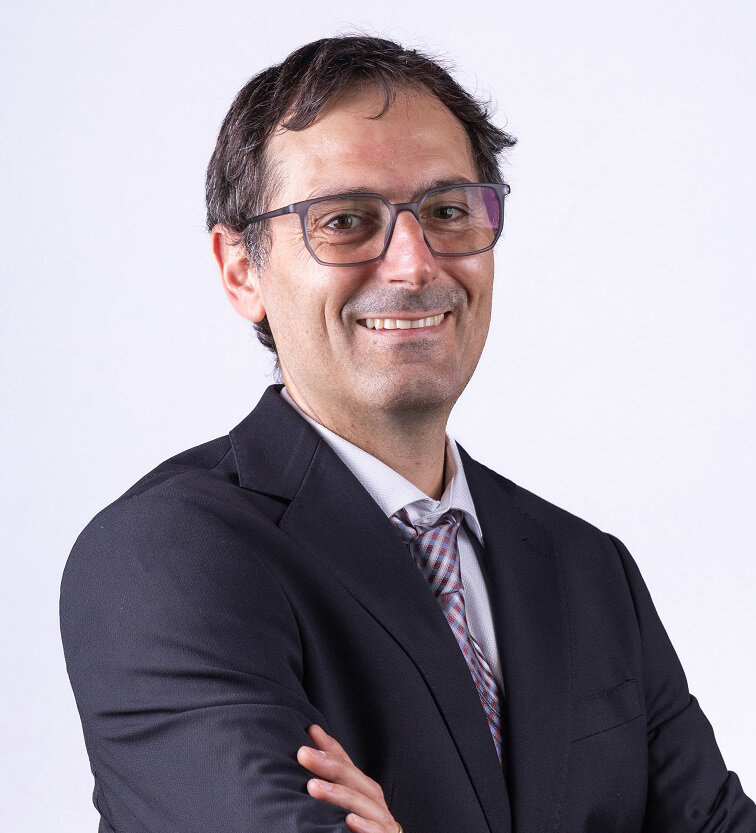
Sonia Rasi1, Michele Tappa2
1. Financial Director & Chief Sustainability Officer, Procos
2. ESG Manager, Procos
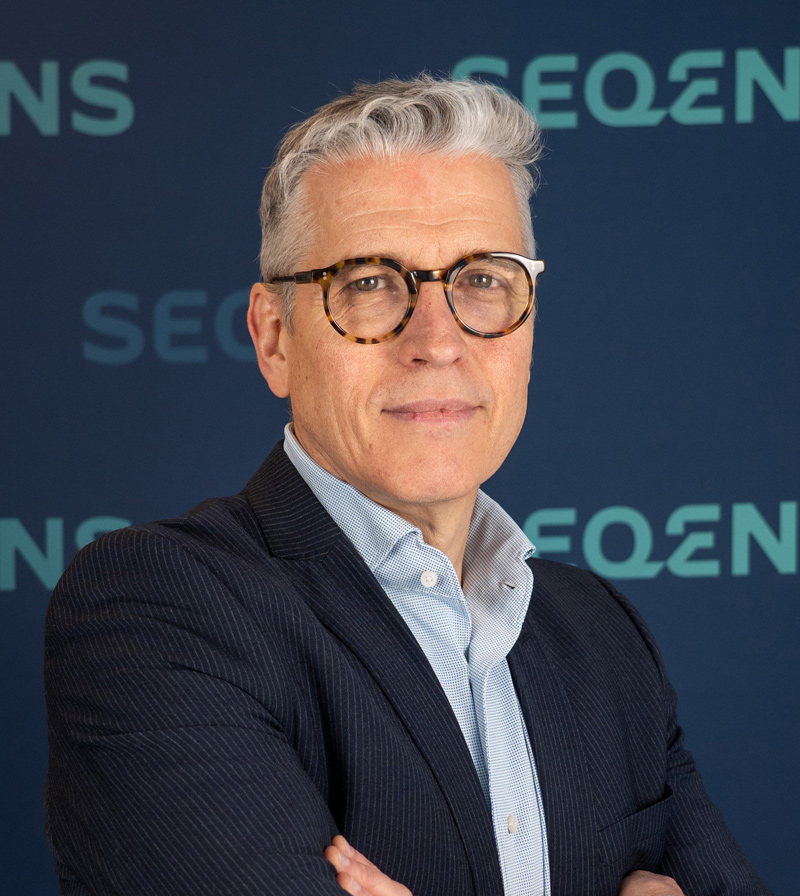
Pascal Villemagne
CEO, Seqens
Darryl Ratty
Executive Director, Global ESG, SK pharmteco


Natalia Agüeros1, Ralf Karch2
1. Sr. Director, ESG & Sustainability, Umicore
2. Director BU Research & Development at PMC, Umicore

Dani Reguant
Supply Chain Director, Uquifa Group