
Panel discussion on...
ESG & Strategic Partnerships in Pharma Supply Chain


Nathalie Huther
Chief Commercial Officer, HFR
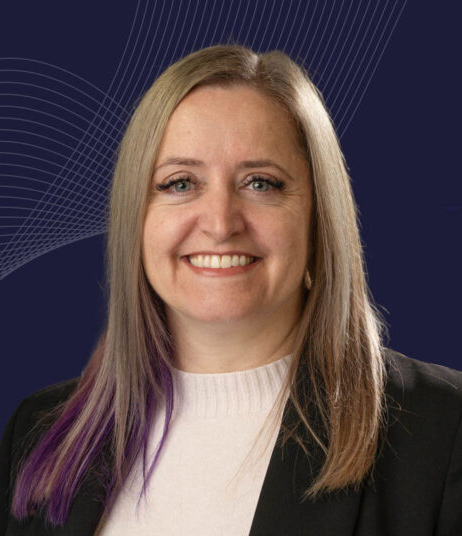

ESG is increasingly shifting from “box-ticking” to being a strategic differentiator in pharma supply chains. How are you re-thinking your CDMO-supplier partnerships to embed environmental, social and governance criteria at the core of your contracts and operations?
From the perspective of a smaller, specialist CDMO of around 50 people working mainly on custom projects, ESG is becoming increasingly embedded into how we approach supplier and client relationships, but in a very practical, proportionate way. We are not in a position where ESG is managed through large standalone frameworks or complex contractual architecture, instead it is naturally integrated into the way we make technical and sourcing decisions on a project-by-project basis.
In practice, this means that environmental and quality considerations are often addressed together during route selection and process development, because that is where the most meaningful impact is determined. Supplier selection is still primarily driven by technical suitability, reliability and regulatory compliance, but there is increasing attention on traceability, responsible sourcing and the ability of partners to support consistent, compliant supply chains.
Rather than formalising ESG as a separate contractual layer, we are seeing it evolve more organically into longer-term, trust-based relationships where expectations around efficiency, waste minimisation and responsible material use are understood as part of good scientific and operational practice. At this stage of organisational maturity, the emphasis is less on contractual ESG enforcement and more on embedding the right behaviours early in technical decision-making, where they genuinely influence outcomes.
With global supply chains under pressure from regulation, climate risk and stakeholder scrutiny, what digital tools or AI/ML-driven platforms are you using (or planning) to ensure real-time transparency, traceability and ESG performance across multiple tiers of your pharma supply network?
At this stage, the most reliable foundations for transparency still come from established quality and manufacturing systems, which provide the traceability required in a regulated environment. For smaller organisations, the implementation of machine learning and AI is still very much in its early stages and remains largely exploratory rather than embedded into day-to-day operations.
The immediate priority is therefore ensuring strong data integrity and connectivity across existing systems, rather than deploying advanced AI-driven supply-chain platforms. AI and ML may have future potential in areas such as process optimisation and predictive analytics, but at present their application is still limited and not yet a core part of operational infrastructure.
The broader challenge remains ensuring data consistency, accessibility and interoperability across systems and suppliers, which is a more pressing constraint than advanced analytics at this stage of organisational maturity.
Advances in manufacturing (automation, digitalization, predictive analytics) are often seen through a cost-and-efficiency lens — how do you leverage these capabilities specifically to reduce carbon footprint, water and energy consumption, waste generation, and drive circularity in the pharma supply chain?
In a smaller, project-driven organisation, we tend to think about sustainability benefits as a natural outcome of doing chemistry well rather than as something driven by large-scale digital infrastructure. The biggest impact comes from strong process design at the outset of each custom project, choosing efficient synthetic routes, minimising step count and improving yields early in development. At this scale, the most meaningful sustainability gains still come from scientific decision-making rather than advanced predictive systems.
How can CDMOs and pharma companies collaborate more effectively to overcome regulatory and technical barriers to circular economy adoption, such as solvent recovery or sustainable packaging?
For small CDMOs, collaboration is essential because many circular economy solutions require alignment well beyond what any single organisation can implement independently. In practice, the key barrier is often not technical feasibility but the timing of decisions and the regulatory framework that locks processes in early. Solvent recovery, for example, is entirely achievable in principle, but it requires agreement with clients at the development stage and confidence that regulatory comparability requirements will be met. The most effective collaborations are those where sustainability considerations are discussed upfront as part of route selection rather than being added retrospectively.
With ESG disclosures, due-diligence requirements and multi-tier supplier accountability rising, how are you aligning and governing your supply-chain relationships (raw materials, manufacture, logistics) so you can deliver the data, audit trails and assurance demanded by pharma-clients, investors and regulators?
In a smaller organisation, governance is necessarily pragmatic and closely aligned with existing quality systems rather than built as a separate ESG architecture. Our focus is on ensuring that the data we already generate for GMP and client requirements is robust, traceable and can be extended to support ESG reporting where needed. Supplier onboarding and material traceability are therefore managed through established quality processes, with increasing attention on documenting sourcing and compliance attributes in a consistent way. The key priority is not volume of data, but reliability and audit readiness.
Supply-chain resilience and ESG are no longer separate agendas: climate events, social disruptions, governance lapses all inject risk. How are you integrating ESG factors into your supply-chain risk-management frameworks — including supplier mapping, scenario-modelling, redundancy, reshoring/diversification strategy?
For a smaller, custom-project CDMO, resilience is primarily built through flexibility rather than large-scale redundancy. Because we are not operating at industrial manufacturing scale, we can adapt sourcing and process routes on a project-by-project basis, which is a natural advantage. ESG considerations are integrated into risk thinking mainly through supplier reliability, regulatory compliance and material availability, rather than through formal scenario-modelling tools. The emphasis is on maintaining strong supplier relationships and ensuring we have alternative pathways for key materials where necessary.
In the emerging era of pharma manufacturing (smart plants, digital twins, modular units), what defines a strategic partner in your eyes? What key governance mechanisms, contract-incentives or metrics differentiate the partners you view as truly aligned with ESG-and-resilience goals?
In a smaller CDMO context, a strategic partner is primarily defined by openness, responsiveness and willingness to collaborate technically at an early stage. Because our work is highly project-based, the quality of interaction during development is often more important than formal governance structures or complex contractual frameworks. ESG alignment is reflected less in formal incentive schemes and more in shared commitment to efficient, well-designed processes that minimise waste and avoid
unnecessary iterations. The strongest partnerships tend to be those where communication is direct and technical decisions are made collaboratively.
What lessons can pharma supply chains learn from other industries that have successfully integrated ESG into their operations, and how might these insights be applied to future strategies?
One of the most relevant lessons from other industries is the value of standardisation and simplification in supply-chain transparency, particularly from sectors like electronics and automotive. However, in a small CDMO environment, the key takeaway is more about mindset than systems. ESG works best when it is embedded into decision-making rather than treated as an external reporting requirement. The challenge in pharma is balancing this with regulatory constraints, which means adoption tends to be slower but ultimately more robust once implemented.
Looking ahead to 2030 and beyond, what will define leadership in pharma supply-chain ESG? What capabilities will best-in-class organizations have — and where are most firms falling behind today?
From the perspective of a smaller organisation, leadership in ESG will be defined less by scale of infrastructure and more by discipline in process design and decision-making. The organisations that stand out will be those that consistently make efficient, well-informed choices at the earliest stages of development, where the environmental footprint is effectively determined. Many firms are still behind in treating sustainability as a core design input rather than a reporting output. At our scale, the focus is on embedding good scientific and operational practice, which naturally aligns with better ESG outcomes.
How are global geopolitical events, such as wars, trade conflicts, or shifting international policies, impacting your ability to deliver on ESG commitments in pharma supply chains? What strategies are you deploying to mitigate these risks?
For a smaller CDMO, geopolitical volatility is felt most directly through supply availability and cost fluctuations rather than through structural supply-chain redesign. In practice, this means prioritising continuity of supply for key materials and maintaining flexibility in sourcing decisions where possible. ESG commitments remain important, but in periods of disruption there is often a need to balance them against practical constraints such as lead times and availability. The mitigation strategy is therefore rooted in agility and maintaining strong supplier communication rather than large-scale structural shifts.
11. What role does collaboration across borders play in ensuring ESG resilience in pharma supply chains during times of conflict or crisis? Are there specific examples of partnerships that have proven effective?
Cross-border collaboration is important, but for a smaller organisation it is often experienced through direct relationships with suppliers and clients rather than complex global networks. The most effective partnerships are those where there is transparency and mutual understanding of constraints, which allows for faster problem-solving when disruption occurs. In practice, resilience comes from trust-based relationships that enable quick adjustments to sourcing or timelines when needed. These types of collaborations tend to be more effective than highly formalised structures during periods of uncertainty.
Looking to 2030, how will the role of CDMOs evolve in driving ESG innovation in pharma supply chains? What capabilities or partnerships will be most critical?
Looking ahead, the role of CDMOs, including smaller, specialist organisations, will increasingly involve contributing to better process design from the earliest stages of development. Rather than being solely execution partners, CDMOs will be expected to help shape more efficient and sustainable synthetic routes through their technical expertise. For a smaller organisation, the most important capabilities will remain strong chemistry skills, good project delivery discipline and the ability to work closely with clients in a highly collaborative way. ESG innovation will come less from large infrastructure investments and more from consistently making better scientific and process choices at project level.
Panelists

Blake Unterreiner
Vice President and Business Unit Leader, Agilent Advanced Therapeutics


Michael Rainey
Director of Supply Chain, Almac Sciences

Françoise Durand-Rivoire
Global Head of ESG, Axplora

Hans van Hees
COO of Bachem AG

Matthias Müllner
CEO and co-founder of bespark*bio

Kerstin Stangier
Head of Corporate Development, Governance & Sustainability, BioSpring

Yann Dherve
Chief Executive Officer - CDMO, Cohance Lifesciences

Roger La Force
Managing Director, Dorra Pharma Group

Joanne Flinn
Chair, The ESG Institute


Xavier Touche1, Alain Goasguen2
1. Global Head of Supply Chain at Euroapi
2. Head of Environment & Energy at Euroapi

Anne Lise Kopp
Corporate ESG & Transformation Leader, Flamma Group

Robert Dream
Managing Director, HDR COMPANY LLC
Nathalie Huther
Chief Commercial Officer, HFR

Justin Mason-Home, FRSC
Owner/Director, HPAPI Project Services Limited

Patrizia Fazio
Head of applied research coordination, Imprima

Laura Monti
Responsible Sourcing - Purchasing department, Indena

Stanislav Kazanov
Head of GRC, Cybersecurity & Sustainability, Innowise

Sonja Merkas
Founder and CEO, Livinovea

Verena Buback
Head of Sustainability Strategy, Merck Procurement
Dirk Kirschneck
Strategic Director,
Microinnova Engineering GmbH

Saharsh Davuluri
CEO & Managing Director, Neuland Laboratories
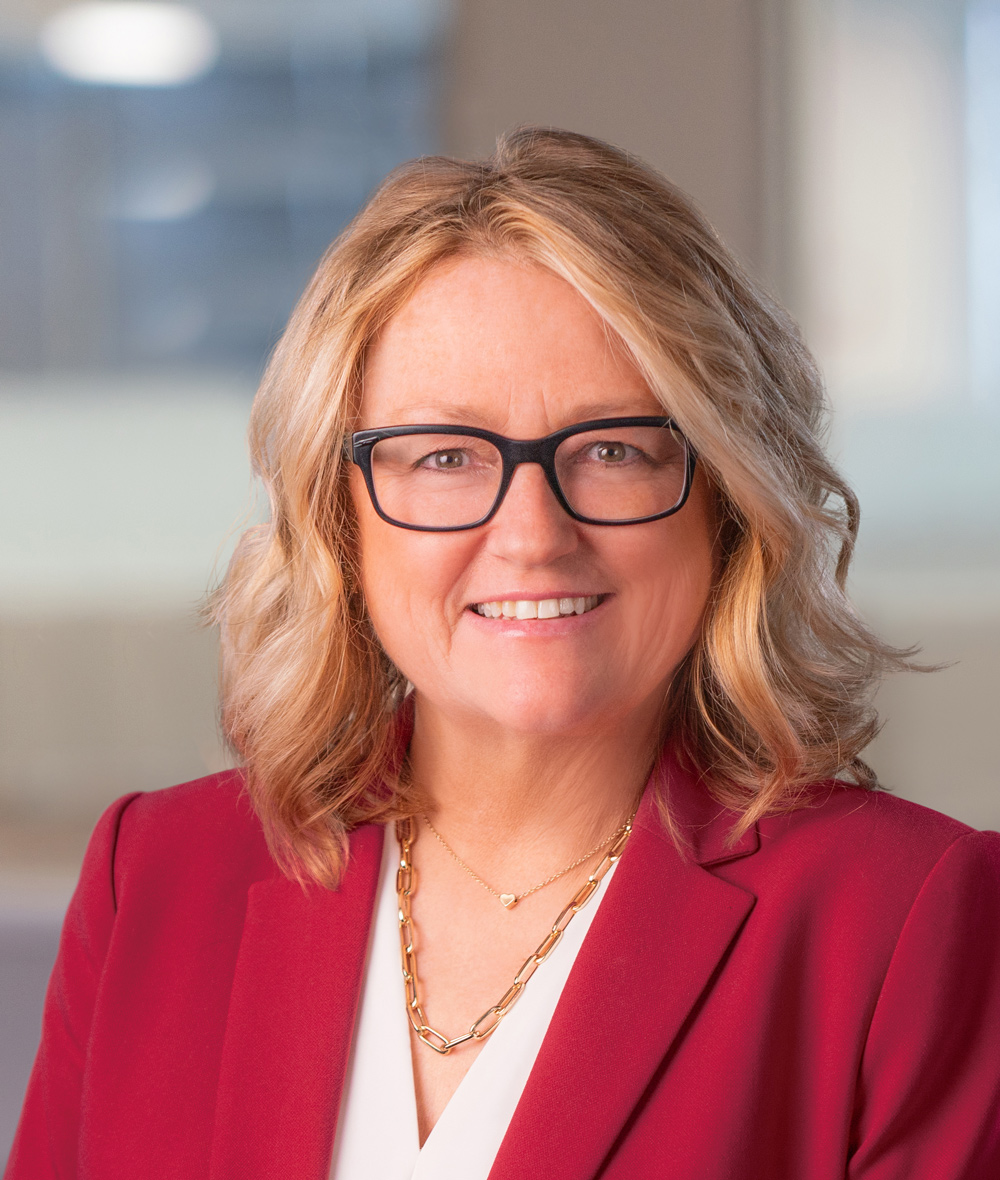
Tammy Cooper
President, Nitto Avecia and
Nitto Avecia Pharma Services

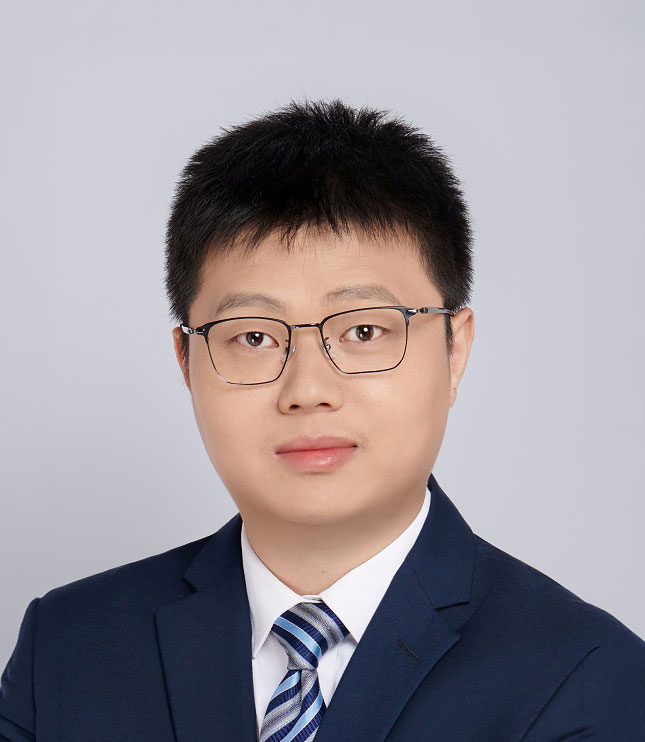

Shaojun Zhu1, Dongxin Zhang2, David Ennis3
1. Director of Sustainability Development, PharmaBlock
2. Executive Director and Head of Business for New Modalities, PharmaBlock
3. Executive Advisor, PharmaBlock

Peter DeYoung
CEO, Piramal Global Pharma

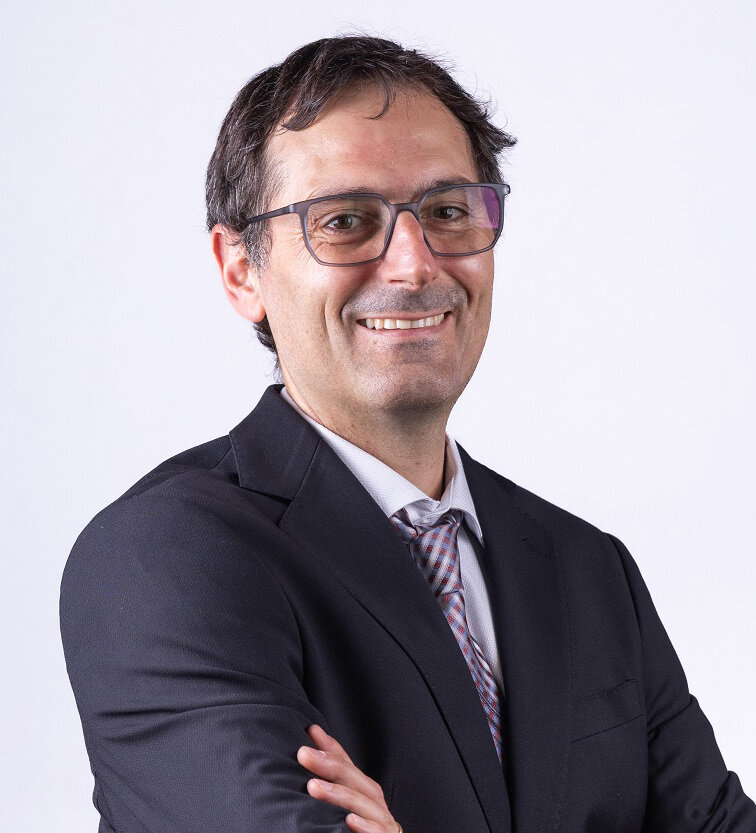
Sonia Rasi1, Michele Tappa2
1. Financial Director & Chief Sustainability Officer, Procos
2. ESG Manager, Procos
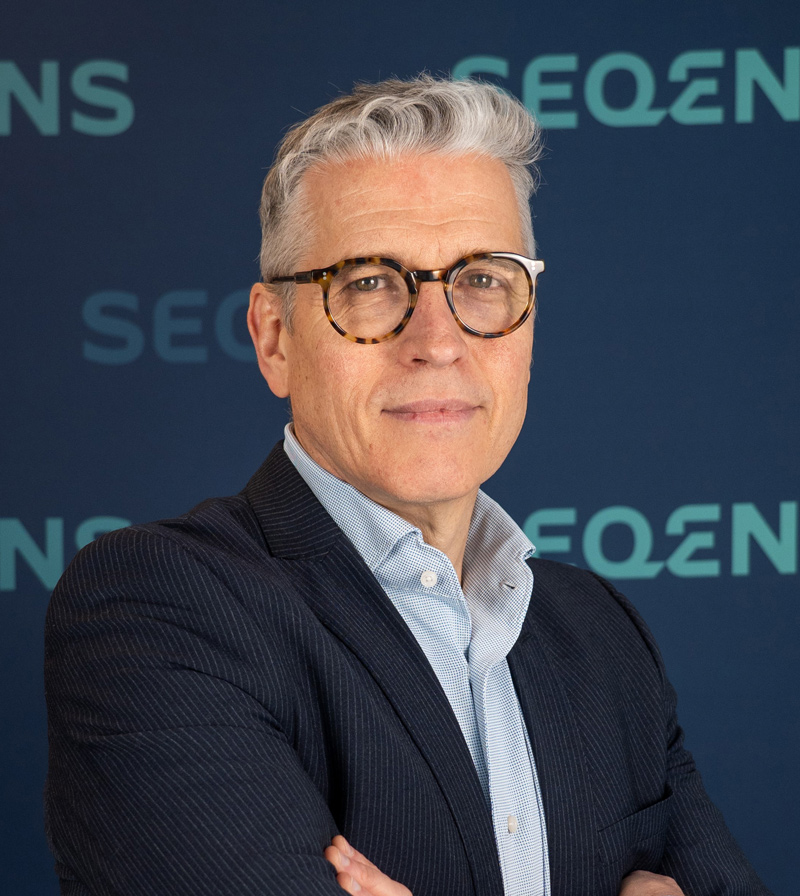
Pascal Villemagne
CEO, Seqens

Darryl Ratty
Executive Director, Global ESG, SK pharmteco


Natalia Agüeros1, Ralf Karch2
1. Sr. Director, ESG & Sustainability, Umicore
2. Director BU Research & Development at PMC, Umicore

Dani Reguant
Supply Chain Director, Uquifa Group
References and notes
- Howes, M.J.R., Simmonds, M.S.J. and Kite, G.C. (2004) 'Evaluation of the quality of sandalwood essential oils by gas chromatography–mass spectrometry', Journal of Chromatography A, 1028(2), pp. 307-312. doi: 10.1016/j.chroma.2003.11.093.
- RTI Health, Social, and Economics Research (2002) 'The Economic Impacts of Inadequate Infrastructure for Software Testing', Report prepared for the National Institute of Standards and Technology (NIST), Gaithersburg, MD.