
Panel discussion on...
ESG & Strategic Partnerships in Pharma Supply Chain


Michael Rainey
Director of Supply Chain, Almac Sciences


ESG is increasingly shifting from “box-ticking” to being a strategic differentiator in pharma supply chains. How are you re-thinking your CDMO-supplier partnerships to embed environmental, social and governance criteria at the core of your contracts and operations?
In our experience, ESG has transitioned from a checkbox exercise to a practical indicator of long-term supply reliability and partner quality. That’s meant integrating it in as a critical component of quality, delivery and cost in supplier qualification and contracting, with clearer expectations around emissions data, waste handling, labour and safety standards, governance, cybersecurity and business-continuity readiness.
From an Almac Sciences perspective, the most effective model is a partnership approach where technical, quality and supply-chain teams are aligned early, because that is where you can design out risk rather than simply for it. The real differentiator is not whether a supplier has an ESG statement, but whether they can consistently provide data, traceability and operational discipline to support a resilient, compliant supply chain. Third-party platforms that evaluates and scores companies on their sustainability and ethical business practices are great aids to this transparency.
With global supply chains under pressure from regulation, climate risk and stakeholder scrutiny, what digital tools or AI/ML-driven platforms are you using (or planning) to ensure real-time transparency, traceability and ESG performance across multiple tiers of your pharma supply network?
The direction of travel is clear: digitalisation is no longer optional if you want real visibility across a complex supply network. The most valuable tools are not necessarily the flashiest ones, but the ones that connect planning, quality, supplier performance and audit readiness in a way that allows early intervention rather than retrospective reporting.
Predictive analytics is particularly useful where they help identify supply interruption signals, forecast material risk, support deviation trending, and improve confidence in planning decisions across multiple tiers. At a practical level, the goal is to move from static supplier reviews to live performance management, where ESG, quality and resilience indicators can be assessed together.
Advances in manufacturing (automation, digitalisation, predictive analytics) are often seen through a cost-and-efficiency lens — how do you leverage these capabilities specifically to reduce carbon footprint, water and energy consumption, waste generation, and drive circularity in the pharma supply chain?
The key is to stop treating sustainability as something separate from process design. If you use automation, digital tools and predictive analytics, then they should help you run a process more consistently, with measurable operational gains that double as environmental ones.
At Almac Sciences, continuous processing and flow chemistry are good examples of that principle in practice. Internal materials on cGMP flow hydrogenation explicitly note benefits such as reduced solvent volumes, lower catalyst consumption, shorter cycle times and improved energy efficiency, alongside improved safety and scalability. This level of manufacturing innovation supports both operational performance and a lower environmental footprint, without forcing trade-offs.
How can CDMOs and pharma companies collaborate more effectively to overcome regulatory and technical barriers to circular economy adoption, such as solvent recovery or sustainable packaging?
The starting point is shared technical ownership, as circularity is difficult to implement when it is treated as an add-on. CDMOs and sponsors need to engage earlier on what solvent recovery, material selection, packaging reduction or re-use models are technically feasible and where the regulatory boundaries sit.
In practice, progress is faster when both parties agree that circularity genuinely improves the process and product lifecycle, and where the evidence package required for regulators can be built pragmatically rather than theoretically.
With ESG disclosures, due-diligence requirements and multi-tier supplier accountability rising, how are you aligning and governing your supply-chain relationships (raw materials, manufacture, logistics) so you can deliver the data, audit trails and assurance demanded by pharma-clients, investors and regulators?
Governance must be structured to support evidence, not just intent. That means making sure supplier onboarding, quality agreements, performance reviews and logistics oversight are all designed to generate auditable information that can stand up to client, investor and regulatory scrutiny.
In our sector, the weakest point is often not lack of policy but lack of consistency across tiers. The real focus should be on standardising data expectations placed on suppliers, improving document control, and ensuring that ESG, quality and business-continuity metrics are governed together rather than in separate silos. Almac Sciences emphasises integrated project, technical and quality management, and those functions are exactly where strong audit trails and assurance frameworks are built.
Supply-chain resilience and ESG are no longer separate agendas: climate events, social disruptions, governance lapses all inject risk. How are you integrating ESG factors into your supply-chain risk-management frameworks — including supplier mapping, scenario-modelling, redundancy, reshoring/diversification strategy?
The convergence of resilience and ESG is one of the most important shifts we are seeing. A supplier may look competitive on paper, but if they are exposed to climate disruption, labour instability, weak governance or poor data transparency, that becomes a direct supply risk.
Frameworks must broaden from traditional risk scoring towards a more holistic model that includes geographic exposure, environmental performance, governance maturity, cybersecurity, logistics routes and recovery capability. Importantly, the answer is not simply reshoring. Most cases will be a hybrid model of regionalisation where it makes sense, combined with intelligent global diversification and better digital visibility.
In the emerging era of pharma manufacturing (smart plants, digital twins, modular units), what defines a strategic partner in your eyes? What key governance mechanisms, contract-incentives or metrics differentiate the partners you view as truly aligned with ESG-and-resilience goals?
A strategic partner improves your confidence, not just your capacity. That means technical depth, strong quality culture, digital transparency, responsible governance and a willingness to solve problems collaboratively rather than transact against a narrow scope.
The best partnerships are supported by governance that is active rather than ceremonial: defined escalation routes, joint performance reviews, shared risk registers, agreed sustainability and resilience KPIs, and incentives that reward long-term improvement rather than short-term output alone.
What lessons can pharma supply chains learn from other industries that have successfully integrated ESG into their operations, and how might these insights be applied to future strategies?
Other sectors have generally moved faster in two areas: end-to-end visibility and design-for-sustainability thinking. Advanced manufacturing, consumer goods and automotive have shown that ESG works best when it is embedded in sourcing, process design, logistics and governance rather than reported retrospectively.
Pharma can apply those lessons by building better supplier transparency, using digital tools for real-time performance insight, and treating process innovation as an ESG lever rather than only a productivity lever. The sector also needs to become more comfortable with cross-functional decisions, because the best ESG outcomes usually come from R&D, manufacturing, procurement and quality working from the same data and the same priorities.
Looking ahead to 2030 and beyond, what will define leadership in pharma supply-chain ESG? What capabilities will best-in-class organizations have — and where are most firms falling behind today?
By 2030, leadership will be defined by who can combine transparency, resilience and technical execution at scale. The best organisations will have live visibility across multi-tier supply networks, credible audit-ready ESG data, predictive risk tools, more sustainable process platforms, and governance models that link quality, continuity and environmental performance rather than treating them separately.
How are global geopolitical events, such as wars, trade conflicts, or shifting international policies, impacting your ability to deliver on ESG commitments in pharma supply chains? What strategies are you deploying to mitigate these risks?
Geopolitical disruption has made it much harder to optimise purely for cost or purely for sustainability, because security of supply has reasserted itself as a board-level issue. Trade restrictions, route instability, inflation in energy and raw materials, and policy divergence can all slow ESG progress if companies are forced into short-term contingency decisions.
It must be assumed that these challenges will continue to exist and evolve and therefore the response has to be pragmatic: diversify critical inputs, strengthen regional options where justified, improve supplier mapping, and prioritise technologies and routes that reduce dependency on fragile parts of the network. For me, that is why ESG and resilience have to be managed together; if they are split into separate agendas, businesses tend to make reactive choices that weaken both.
What role does collaboration across borders play in ensuring ESG resilience in pharma supply chains during times of conflict or crisis? Are there specific examples of partnerships that have proven effective?
Cross-border collaboration remains essential because pharma supply chains are inherently international, and no serious resilience strategy can be built on isolation. What matters is having partners across regions who can share data, maintain quality alignment, support coordinated response planning and provide alternative routes or capacities when one part of the network is under pressure.
The most effective partnerships are built before a crisis, characterised by shared technical understanding, trusted governance frameworks and clear communication channels, which allow decisions to be made quickly without compromising compliance or product quality.
Looking to 2030, how will the role of CDMOs evolve in driving ESG innovation in pharma supply chains? What capabilities or partnerships will be most critical?
By 2030, CDMOs will be expected to bring process innovation, digital maturity, transparent data, stronger regional networks, and credible sustainability thinking to the table as part of the core service offering.
Critical capabilities will include advanced process technologies, integrated development and manufacturing models, stronger digital traceability, and partnership structures that allow earlier technical engagement. At Almac Sciences, we integrate across registered starting materials, API development and manufacture, analytical support, project management and quality management. This structure will lend itself to more resilient and better-governed supply chains in the future.
Panelists

Blake Unterreiner
Vice President and Business Unit Leader, Agilent Advanced Therapeutics


Michael Rainey
Director of Supply Chain, Almac Sciences
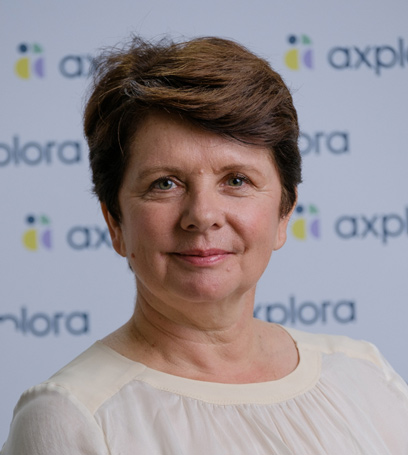
Françoise Durand-Rivoire
Global Head of ESG, Axplora

Hans van Hees
COO of Bachem AG

Matthias Müllner
CEO and co-founder of bespark*bio

Kerstin Stangier
Head of Corporate Development, Governance & Sustainability, BioSpring

Yann Dherve
Chief Executive Officer - CDMO, Cohance Lifesciences

Roger La Force
Managing Director, Dorra Pharma Group

Joanne Flinn
Chair, The ESG Institute


Xavier Touche1, Alain Goasguen2
1. Global Head of Supply Chain at Euroapi
2. Head of Environment & Energy at Euroapi

Anne Lise Kopp
Corporate ESG & Transformation Leader, Flamma Group

Robert Dream
Managing Director, HDR COMPANY LLC

Nathalie Huther
Chief Commercial Officer, HFR

Justin Mason-Home, FRSC
Owner/Director, HPAPI Project Services Limited

Patrizia Fazio
Head of applied research coordination, Imprima

Laura Monti
Responsible Sourcing - Purchasing department, Indena

Stanislav Kazanov
Head of GRC, Cybersecurity & Sustainability, Innowise

Sonja Merkas
Founder and CEO, Livinovea

Verena Buback
Head of Sustainability Strategy, Merck Procurement

Dirk Kirschneck
Strategic Director,
Microinnova Engineering GmbH
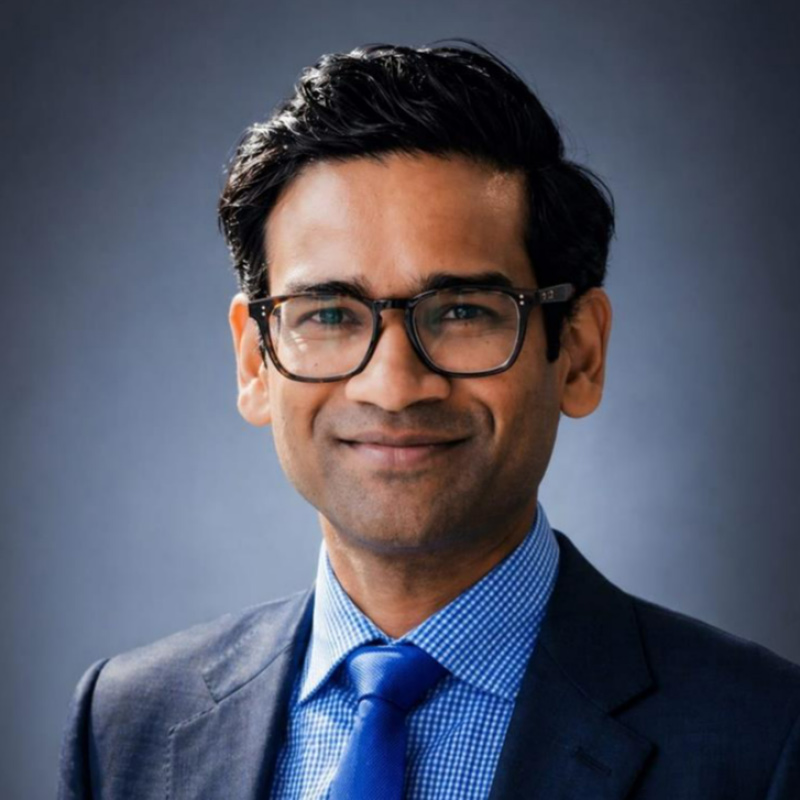
Saharsh Davuluri
CEO & Managing Director, Neuland Laboratories

Tammy Cooper
President, Nitto Avecia and
Nitto Avecia Pharma Services

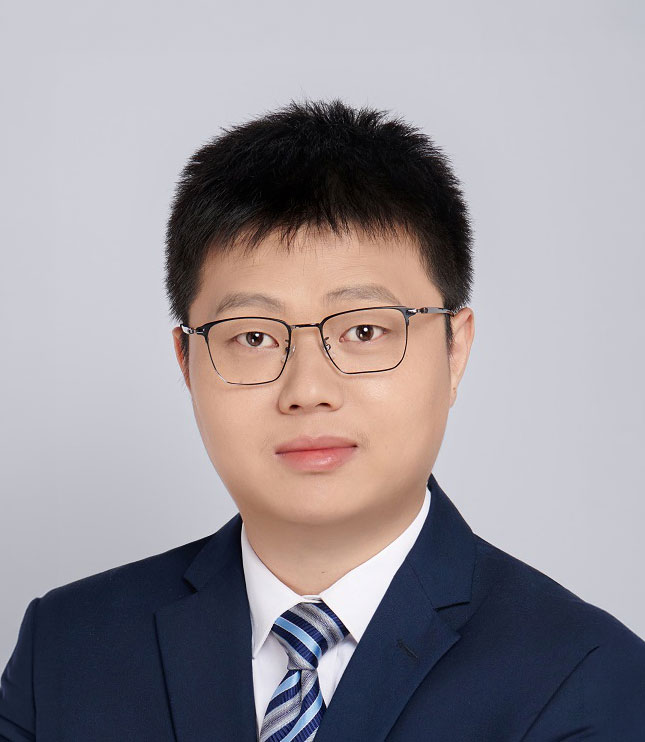

Shaojun Zhu1, Dongxin Zhang2, David Ennis3
1. Director of Sustainability Development, PharmaBlock
2. Executive Director and Head of Business for New Modalities, PharmaBlock
3. Executive Advisor, PharmaBlock

Peter DeYoung
CEO, Piramal Global Pharma

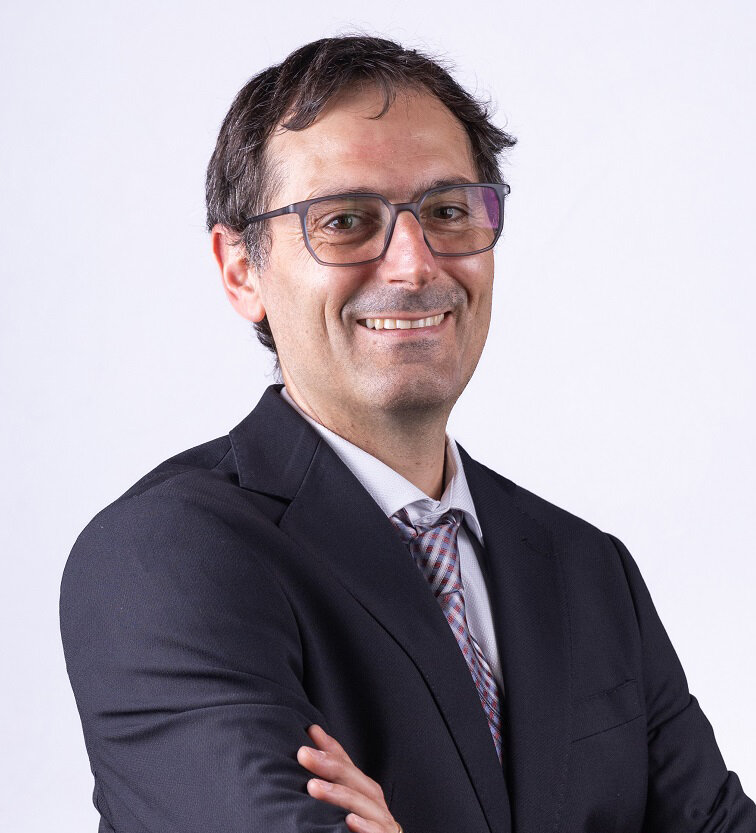
Sonia Rasi1, Michele Tappa2
1. Financial Director & Chief Sustainability Officer, Procos
2. ESG Manager, Procos
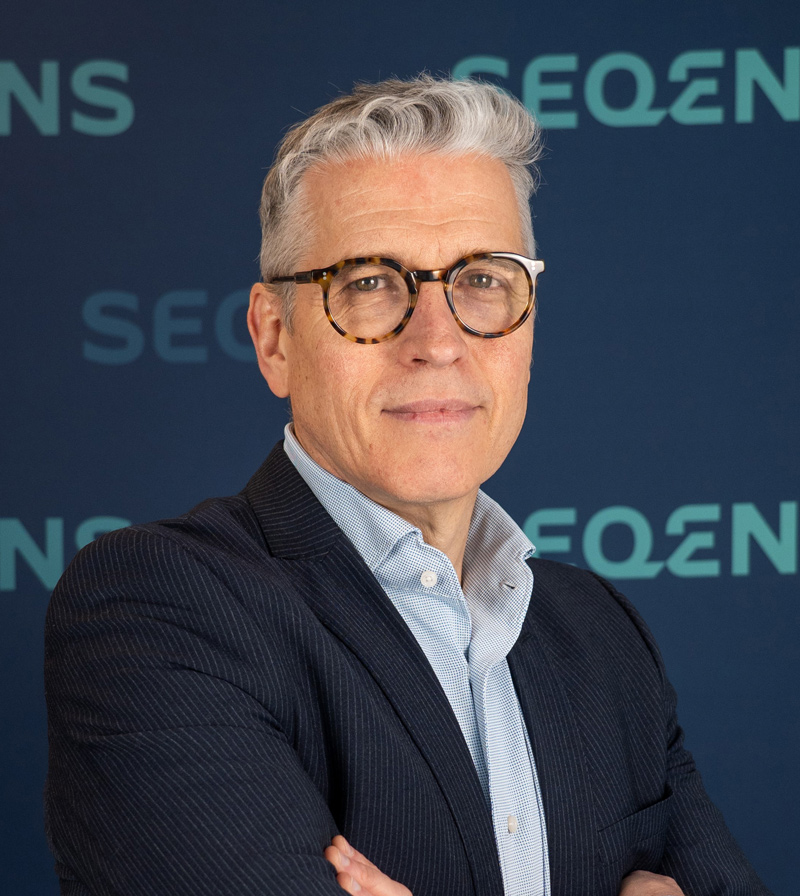
Pascal Villemagne
CEO, Seqens

Darryl Ratty
Executive Director, Global ESG, SK pharmteco


Natalia Agüeros1, Ralf Karch2
1. Sr. Director, ESG & Sustainability, Umicore
2. Director BU Research & Development at PMC, Umicore

Dani Reguant
Supply Chain Director, Uquifa Group
References and notes
- Howes, M.J.R., Simmonds, M.S.J. and Kite, G.C. (2004) 'Evaluation of the quality of sandalwood essential oils by gas chromatography–mass spectrometry', Journal of Chromatography A, 1028(2), pp. 307-312. doi: 10.1016/j.chroma.2003.11.093.
- RTI Health, Social, and Economics Research (2002) 'The Economic Impacts of Inadequate Infrastructure for Software Testing', Report prepared for the National Institute of Standards and Technology (NIST), Gaithersburg, MD.