
Panel discussion on...
ESG & Strategic Partnerships in Pharma Supply Chain


Joanne Flinn
Chair, The ESG Institute


Scope 3 Is a Treasury Problem
The arithmetic of supplier enablement in pharma supply chains
If you run a pharma supply chain, you are being asked to guarantee ESG performance in tiers you do not own, from suppliers tiers deep, many of whom are focused on practical business survival. Where the long term, well, feels like a long way away. Yet as a pharma value chain, you need data, and over time, visible action, or your Scope 3 goals will not be met. Here is the answer in one line: stop treating ESG as an audit requirement pushed down the chain, and start treating supplier enablement as working-capital arithmetic. The numbers work your way.
Let's start with Treasury.
The quiet costs hiding in your payment terms
Put two costs of capital side by side. An investment-grade pharma buyer funds itself at roughly 1.5 to 2.5 per cent. A capital-constrained supplier of intermediates, excipients or specialty chemicals in Asia finances the same delay at 12 to 18 per cent, if it can access finance at all. The Asian Development Bank estimates that roughly 47 per cent of MSME credit demand in the region goes unmet. Their ability to act is constrained by working capital.
Now consider what 90-day payment terms do across that spread. The buyer books a working-capital gain worth a little. The supplier bears the identical delay at a cost several times higher. Our modelling at the ESG Institute puts the ratio at five to eight times: for every dollar of float the buyer captures, the chain destroys five to eight dollars of value further down.
This loss is nobody's gain. It's value that just evaporates, and it evaporates by default, not by anyone's choice.
Then we add ESG demands on top. In our survey of 900 business leaders across Asia, 44 per cent of firms under high customer pressure pass sustainability requirements to their suppliers, against 11 per cent under low pressure. Only 4 per cent co-invest in supplier capability. The chain that transmits demands could transmit credit. Today it transmits only demands.
Why would you want to change that? A margin is a margin. Until it is a risk.
And the risk is real: suppliers fail under working-capital strain, or they move too slowly as survival crowds out the long term. Both feed back to you as supply-chain risk, Scope 3 risk and reputational risk.
Treasury holds the key to a door that opens in your favour, and in theirs.
Three engines, in the right order
Supplier enablement pays through three engines. The order matters, because the first two carry the business case before sustainability enters the room.
Engine one: credit arbitrage. Buyer-led supply chain finance lends the buyer's credit rating to its suppliers. A bank pays the supplier within days of invoice approval at a rate tied to the buyer's credit, near 5 to 6 per cent annualised. On a USD 100,000 invoice accelerated by 80 days, the supplier pays about 1.2 per cent of face value, against 4 to 6 per cent under independent factoring. The buyer's own payment run and float are undisturbed. An idle intangible asset, the credit rating, becomes supplier liquidity without a dollar of the buyer's working capital. This reduces the treasurer's objection before the conversation begins.
It also strengthens the relationship with the supplier, who now has reason to prefer your business over others.
Engine two: the resilience value. Liquid suppliers fail less. The best natural experiment, from France, shows early payment cutting supplier default probability by roughly a quarter. Pharma feels supplier failure more than any other industry. Requalifying an alternate source for an API or key intermediate runs two to three years with regulatory filings attached. Emergency re-sourcing carries spot premiums of 50 to 150 per cent. On conservative ranges, the switching and disruption costs avoided cover the entire cost of a fair-payment programme. You can read this as a procurement continuity conversation, with sustainability benefits.
Engine three: the transition co-benefit. A supplier tier liquid enough to invest becomes a tier that can fund readiness: solvent recovery, energy efficiency, water stewardship, the data systems that CSRD and CSDDD-driven clients now require. The buyer's own Scope 3 exposure falls with the readiness of the deep tiers where it concentrates. With one of the usual constraints on data and action lifted, both sides have room to move.
Engines one and two carry the case on their own, engine three can be realised whether or not anyone in the building was optimising for carbon. The buyer does not have to win the Scope 3 argument to get the Scope 3 outcome when they release the working capital door lock.
This answers the circularity question directly. Solvent recovery and transition investments is capital expenditure a small supplier cannot self-fund from thin margins. Enablement finance is helps it gets funded. The regulatory barrier is real; the capital barrier is the one the buyer can remove this quarter. And you want the tiers acting, because your ESG outcomes depend on it.
What defines a strategic partner
In this frame, a strategic CDMO or supplier relationship has three governance markers.
First, readiness is the currency. Access to enablement finance, and its pricing, is weighted by transition readiness. That gives the supplier a private return on getting ready, and gives the buyer a priced view of its tier.
Second, standards travel with support. Our data shows large firms impose track-record requirements most and support least: 55 per cent work only their top 20 suppliers or have not started. A partner that sends questionnaires without capability is running an audit, not a partnership.
Third, leadership levers come before capital. Below the disclosure line, roughly under USD 400 million in revenue, the practices that separate moving suppliers from stalled ones are free: tone from the top, incentives linked to sustainability, workforce engagement. With the capital constraint then eased, progressive action follows.
Good partnership design sequences accordingly: leadership conversation first, finance follows.
Enable rather than mandate. The enablement route is cheaper and lowers risk regardless of jurisdiction.
Looking to 2030
Leadership in pharma supply-chain ESG will not simply be defined by disclosure sophistication. Best-in-class organisations will be the ones that made their supplier tier investable: that converted their credit rating into tier-two and tier-three liquidity, priced readiness into procurement, and captured the resilience return along the way. Most firms are falling behind at the first joint, funding audits of suppliers they simultaneously decapitalise through payment terms.
There is a wider dividend here, and it is not a soft one. The same move that helps address your Scope 3 lets a smaller firm invest, keep its people employed, and clean up its own footprint. Doing good business and doing good in the world stop being a trade-off. They become the same decision, made for reasons a capital committee will sign off.
CDMOs sit at the hinge. They are large enough to run buyer-led finance into their own chemical supply base and close enough to pharma clients to translate readiness into contract value. The CDMOs that evolve into readiness intermediaries, carrying both the standards and the finance down the tier, will hold the partnerships worth having in 2030.
The full model, calibrated to Asian supply chains, is published in the ESG Institute working paper Value Chain Enablement (WP-09, 2026). The treasury arithmetic is the wire. Leadership is the current.
Panelists
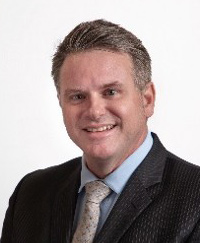
Blake Unterreiner
Vice President and Business Unit Leader, Agilent Advanced Therapeutics


Michael Rainey
Director of Supply Chain, Almac Sciences
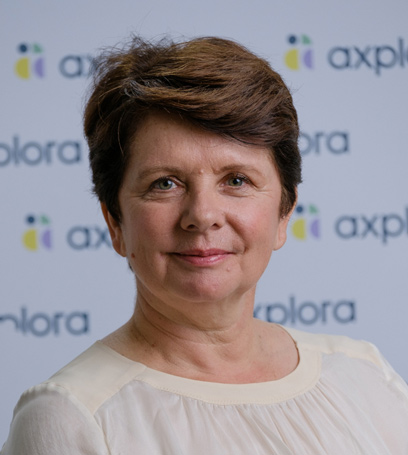
Françoise Durand-Rivoire
Global Head of ESG, Axplora
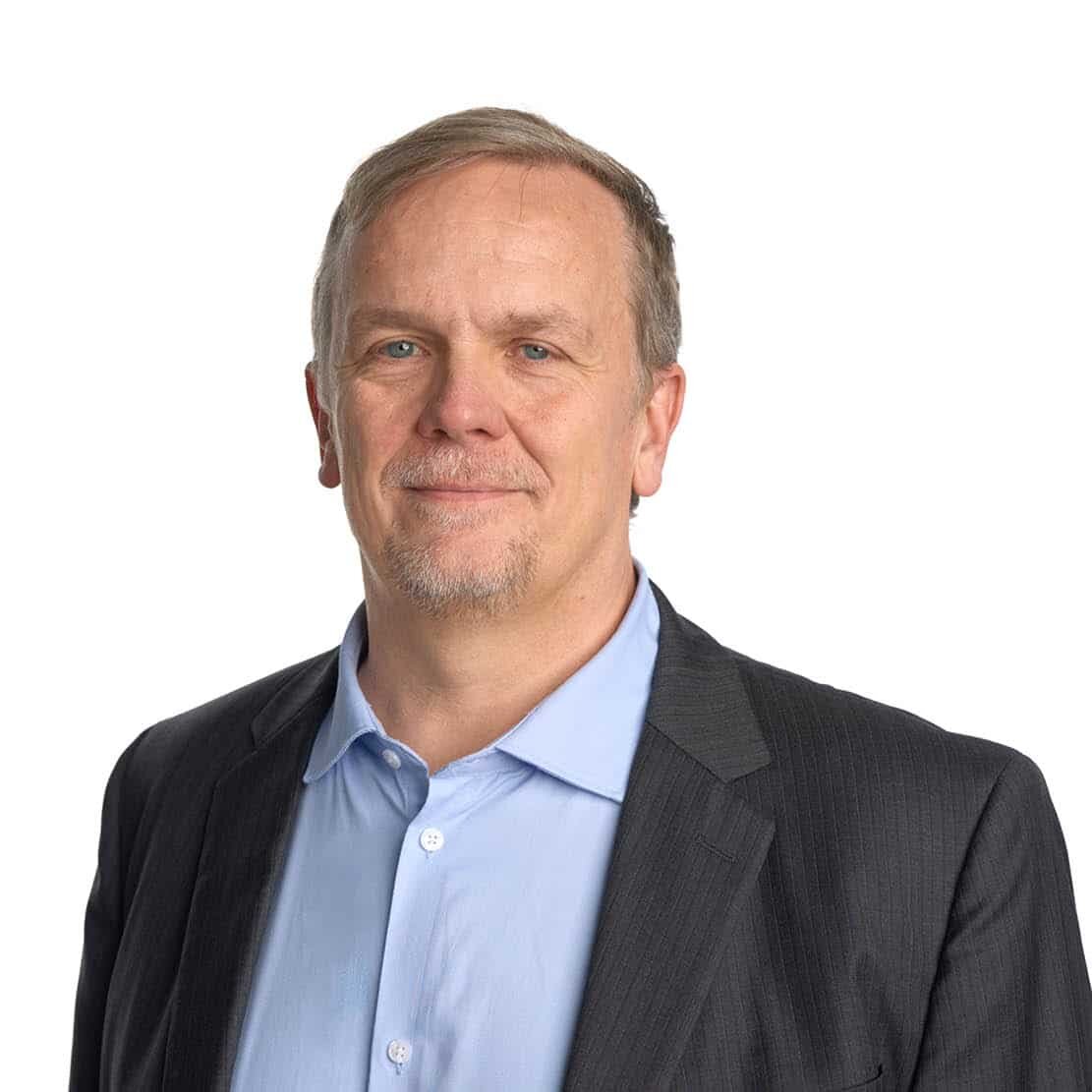
Hans van Hees
COO of Bachem AG

Matthias Müllner
CEO and co-founder of bespark*bio

Kerstin Stangier
Head of Corporate Development, Governance & Sustainability, BioSpring

Yann Dherve
Chief Executive Officer - CDMO, Cohance Lifesciences

Roger La Force
Managing Director, Dorra Pharma Group

Joanne Flinn
Chair, The ESG Institute


Xavier Touche1, Alain Goasguen2
1. Global Head of Supply Chain at Euroapi
2. Head of Environment & Energy at Euroapi

Anne Lise Kopp
Corporate ESG & Transformation Leader, Flamma Group
Robert Dream
Managing Director, HDR COMPANY LLC
Nathalie Huther
Chief Commercial Officer, HFR

Justin Mason-Home, FRSC
Owner/Director, HPAPI Project Services Limited

Patrizia Fazio
Head of applied research coordination, Imprima

Laura Monti
Responsible Sourcing - Purchasing department, Indena

Stanislav Kazanov
Head of GRC, Cybersecurity & Sustainability, Innowise

Sonja Merkas
Founder and CEO, Livinovea
Verena Buback
Head of Sustainability Strategy, Merck Procurement
Dirk Kirschneck
Strategic Director,
Microinnova Engineering GmbH
Saharsh Davuluri
CEO & Managing Director, Neuland Laboratories
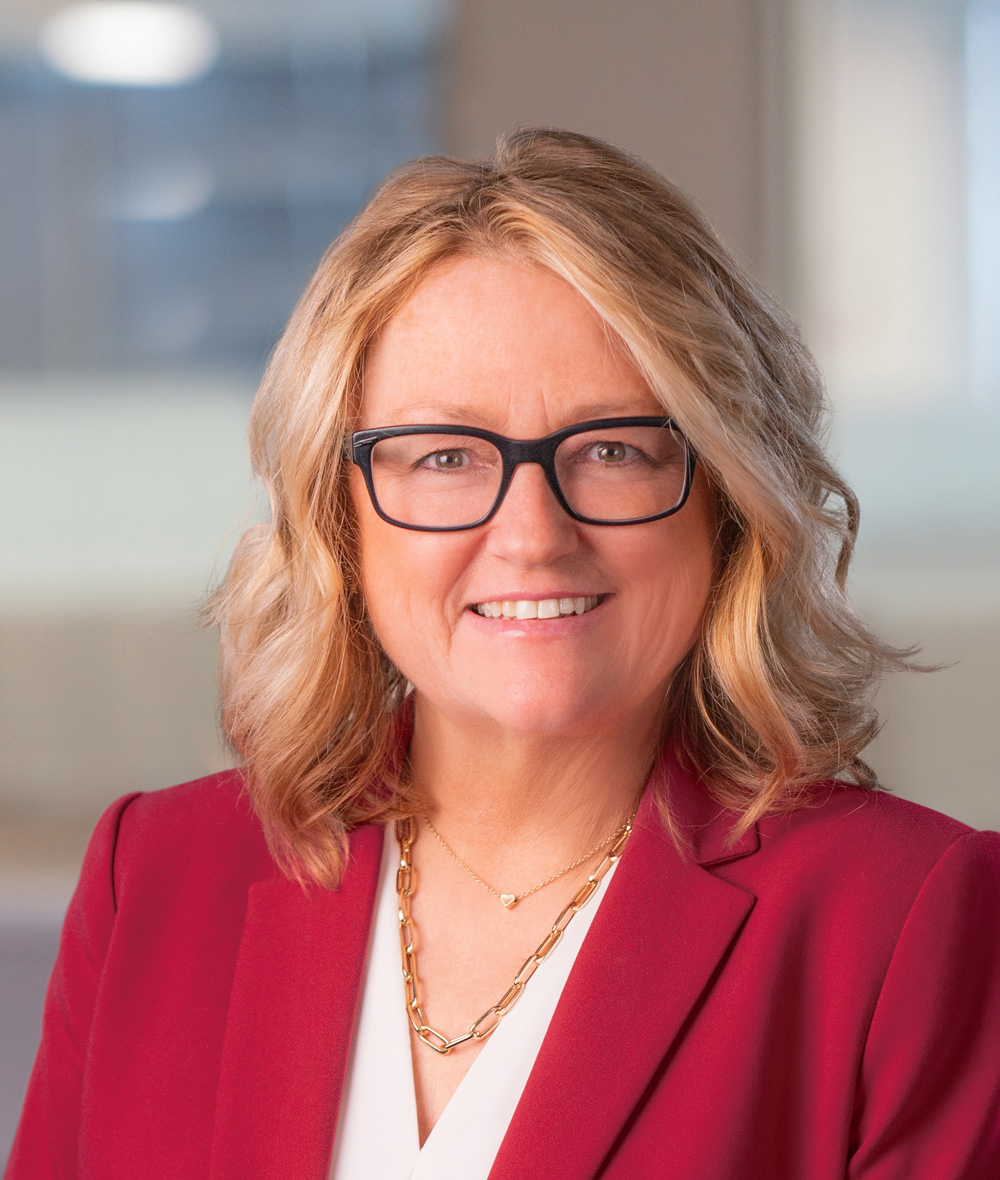
Tammy Cooper
President, Nitto Avecia and
Nitto Avecia Pharma Services

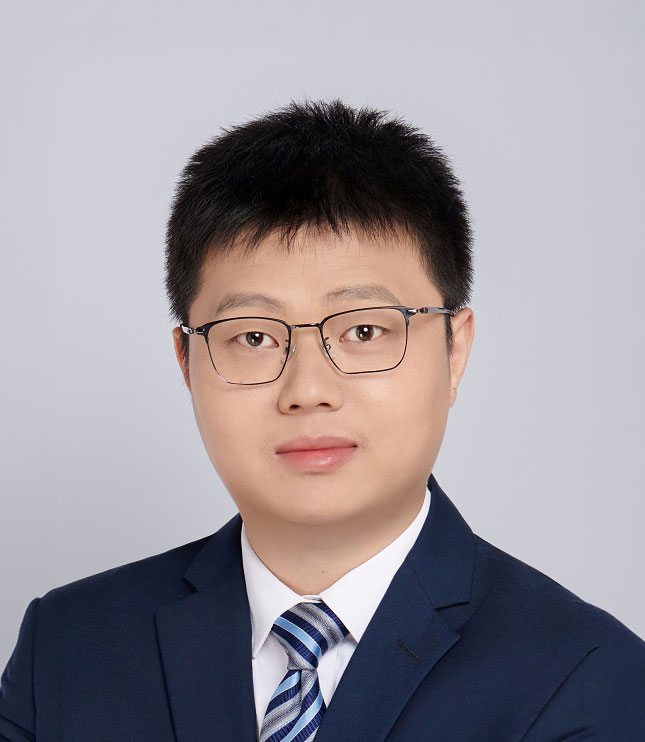

Shaojun Zhu1, Dongxin Zhang2, David Ennis3
1. Director of Sustainability Development, PharmaBlock
2. Executive Director and Head of Business for New Modalities, PharmaBlock
3. Executive Advisor, PharmaBlock
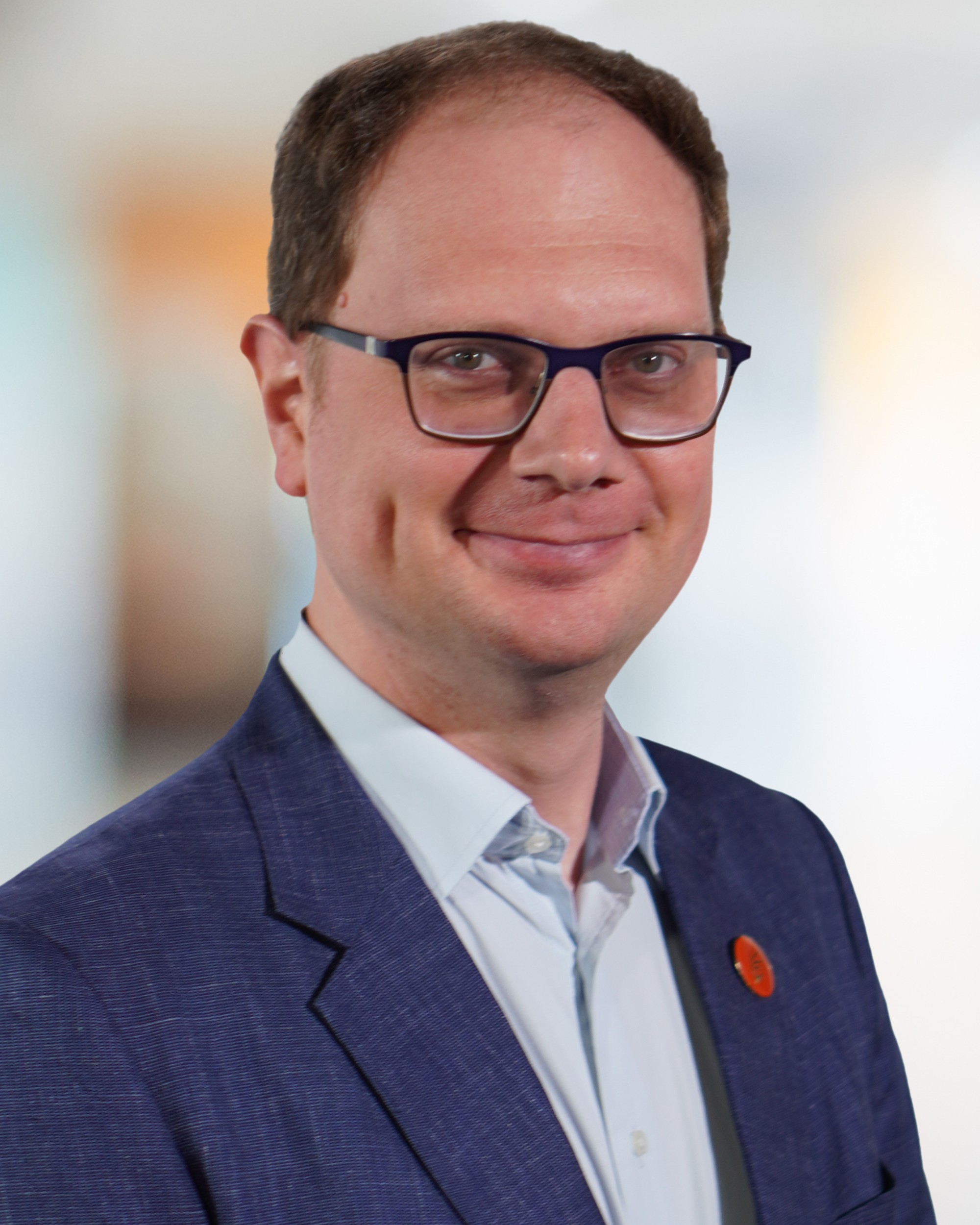
Peter DeYoung
CEO, Piramal Global Pharma

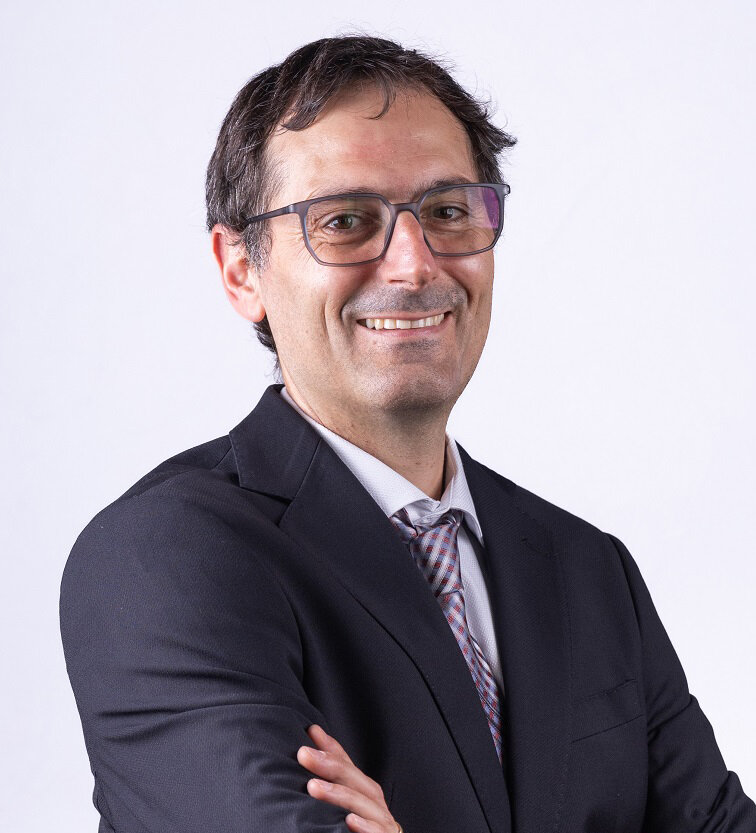
Sonia Rasi1, Michele Tappa2
1. Financial Director & Chief Sustainability Officer, Procos
2. ESG Manager, Procos
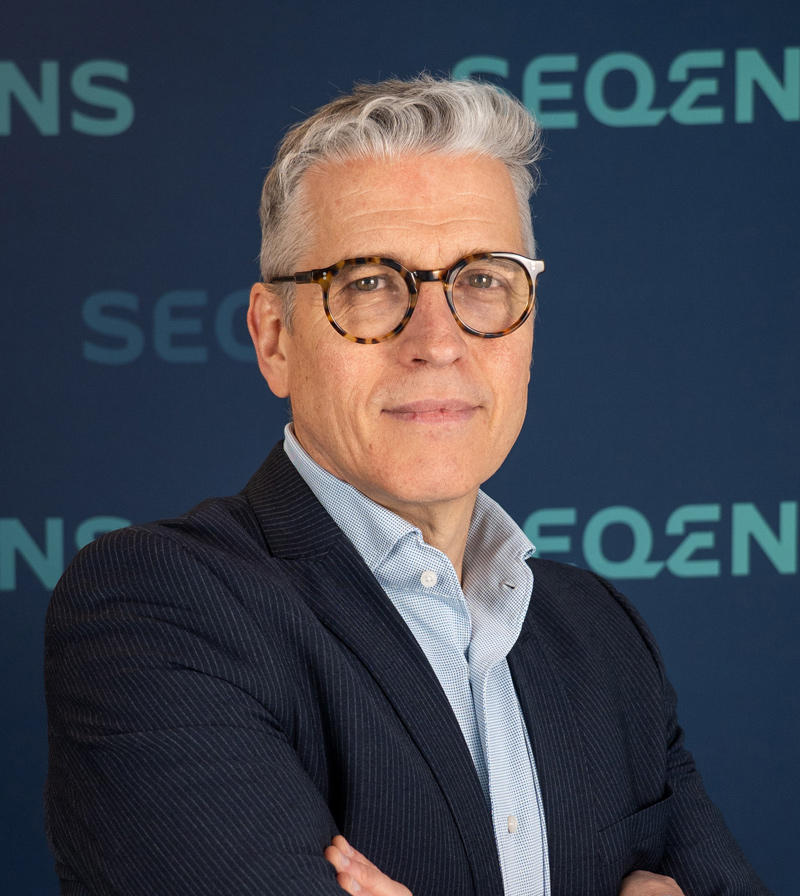
Pascal Villemagne
CEO, Seqens

Darryl Ratty
Executive Director, Global ESG, SK pharmteco

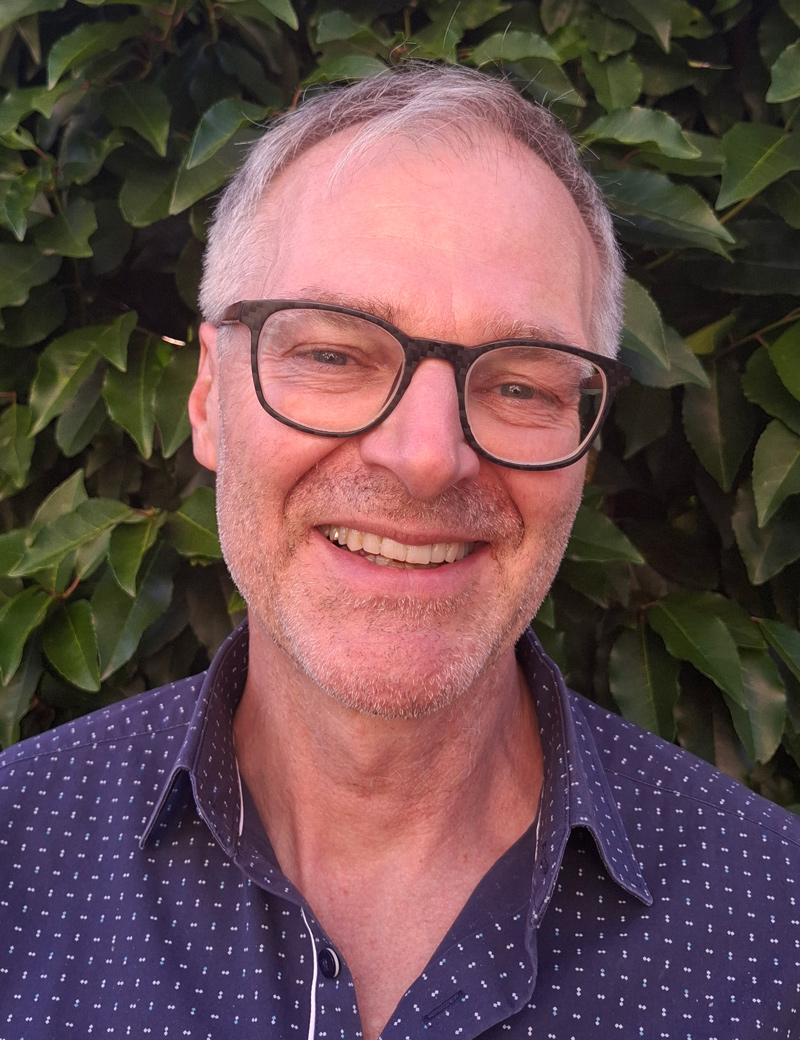
Natalia Agüeros1, Ralf Karch2
1. Sr. Director, ESG & Sustainability, Umicore
2. Director BU Research & Development at PMC, Umicore

Dani Reguant
Supply Chain Director, Uquifa Group
References and notes
- Howes, M.J.R., Simmonds, M.S.J. and Kite, G.C. (2004) 'Evaluation of the quality of sandalwood essential oils by gas chromatography–mass spectrometry', Journal of Chromatography A, 1028(2), pp. 307-312. doi: 10.1016/j.chroma.2003.11.093.
- RTI Health, Social, and Economics Research (2002) 'The Economic Impacts of Inadequate Infrastructure for Software Testing', Report prepared for the National Institute of Standards and Technology (NIST), Gaithersburg, MD.