
Panel discussion on...
ESG & Strategic Partnerships in Pharma Supply Chain


Françoise Durand-Rivoire
Global Head of ESG, Axplora


Beyond Compliance: Why ESG is Becoming a Strategic Advantage in Pharmaceutical Manufacturing
For many years, Environmental, Social and Governance (ESG) was viewed primarily through the lens of compliance. Today, it has become something much more strategic.
As pharmaceutical supply chains become increasingly complex, customers are looking beyond traditional measures such as quality, cost and regulatory compliance. They want manufacturing partners that can demonstrate responsible operations, transparent governance, resilient supply chains and a genuine commitment to continuous improvement.
At Axplora, we believe ESG is no longer a separate initiative. It is becoming an integral part of operational excellence and an important way of creating value for our customers.
Partnership, not procurement
The relationship between pharmaceutical companies and their CDMOs is evolving.
Historically, supplier selection focused primarily on technical capability, quality and regulatory compliance. While these remain fundamental, customers are increasingly evaluating partners on their ability to operate responsibly, reduce environmental impact, strengthen governance and support their own sustainability ambitions.
This is changing the nature of partnerships.
Rather than simply providing manufacturing services, CDMOs are increasingly working alongside customers to optimise processes, reduce waste, improve efficiency and strengthen resilience throughout the product lifecycle.
The strongest partnerships are built on transparency, trust and a shared commitment to continuous improvement.
Sustainability starts in process development
Some of the greatest opportunities to improve sustainability occur long before commercial manufacturing begins.
Green chemistry, solvent selection, process optimisation and waste reduction are decisions made during process development. Small improvements at this stage can deliver significant environmental and operational benefits throughout the lifetime of a product.
At Axplora, every new development programme includes a sustainability assessment, evaluating opportunities such as solvent recycling, greener solvent selection, catalyst optimisation and reductions in raw material consumption through Process Mass Intensity (PMI) analysis. Existing commercial processes are similarly reviewed after manufacturing campaigns to identify further improvements.
This approach delivers measurable results.
At our Leverkusen site, process optimisation on a major customer programme redesigned distillation conditions, reducing tetrahydrofuran (THF) solvent consumption by approximately 70%. This equates to around 45 tonnes less solvent consumption and 45 tonnes less waste every year, demonstrating how sustainability and operational excellence can reinforce one another while improving manufacturing efficiency.
For customers, these improvements often deliver multiple benefits simultaneously: reducing environmental impact, improving process robustness and increasing manufacturing efficiency.
Digital technologies are strengthening ESG performance
Digitalisation is becoming an increasingly powerful enabler of sustainability.
Better data allows manufacturers to understand energy consumption, monitor environmental performance, improve process efficiency and strengthen reporting across increasingly complex supply chains.
Across Axplora, ESG reporting is becoming increasingly data-driven as we prepare for Corporate Sustainability Reporting Directive (CSRD) requirements and expand visibility across our supplier network. Our ESG roadmap also includes extending reporting to key suppliers and strengthening supplier assessments through EcoVadis, helping improve transparency throughout the value chain.
Looking ahead, technologies including artificial intelligence and advanced analytics will further enhance process optimisation, predictive manufacturing and sustainability reporting, helping identify opportunities that were previously difficult to detect.
Governance builds confidence
Strong ESG performance depends on robust governance and engaged people.
Customers increasingly want confidence that their manufacturing partners have effective oversight, consistent standards and clear accountability across global operations.
At Axplora, ESG governance is embedded at executive level through a cross-functional Steering Committee bringing together senior business leaders to oversee our sustainability roadmap. Supplier qualification extends beyond quality to include environmental, safety and sustainability criteria, supported by supplier assessments, due diligence programmes and robust governance processes.
Equally important is our commitment to creating an environment where people can thrive. We continue to invest in employee development, promote diversity and inclusion, and maintain a strong focus on health, safety and wellbeing across our sites. By fostering a culture where everyone has the opportunity to develop and contribute, we strengthen both our organisation and the partnerships we build with customers.
Building resilience through responsible manufacturing
Recent geopolitical events have highlighted how vulnerable pharmaceutical supply chains can be.
Manufacturers are therefore placing greater emphasis on resilience alongside sustainability.
Diversified manufacturing networks, regional production capabilities and responsible supplier management all contribute to reducing operational risk while maintaining reliable supply.
With manufacturing sites across Europe and India, Axplora combines global reach with consistent quality systems, governance standards and technical expertise, providing customers with flexibility without compromising quality or regulatory compliance.
Our commitment extends beyond our own operations. Through responsible sourcing, supplier engagement and internationally recognised frameworks—including the UN Global Compact, the Pharmaceutical Supply Chain Initiative (PSCI) and our Science Based Targets initiative (SBTi) commitment—we are working to strengthen resilience throughout the pharmaceutical value chain.
ESG is about people as much as processes
While environmental performance often receives the greatest attention, ESG is equally about people.
The pharmaceutical industry depends on highly skilled scientists, engineers, operators and technicians working together in demanding environments where quality, safety and collaboration are critical to success. Creating an inclusive workplace, investing in professional development and maintaining the highest health and safety standards are therefore fundamental to building resilient organisations.
At Axplora, we are committed to fostering a culture where diversity, inclusion and employee wellbeing are recognised as key drivers of sustainable growth. We invest in professional development, promote equal opportunities and maintain robust health and safety standards that protect our people and support long-term business performance.
Our responsibility also extends beyond our manufacturing sites. Through partnerships with local communities, volunteering initiatives and responsible business practices throughout our supply chain, we seek to create lasting value for the communities in which we operate. We believe sustainable growth should benefit not only our customers and shareholders, but also our employees, partners and local communities.
Ultimately, strong environmental performance, responsible governance and positive social impact are not competing priorities. Together, they build trust, strengthen resilience and enable us to better support our customers in bringing innovative medicines to patients around the world.
Looking beyond compliance
Perhaps the biggest change in ESG is that success is no longer measured simply by meeting regulatory requirements.
Leading organisations are using sustainability as a driver of innovation, operational excellence and competitive advantage.
At Axplora, this means embedding environmental responsibility into process development, strengthening governance across the supply chain, investing in safer and more efficient manufacturing, and supporting customers in achieving their own sustainability ambitions.
Our commitment to the Science Based Targets initiative reflects this long-term approach, aligning climate action with operational excellence and continuous improvement. At the same time, our recognition through EcoVadis demonstrates the progress being made across our manufacturing network and provides independent validation of our responsible business practices.
As we look towards 2030, the role of the CDMO will continue to evolve. Manufacturers will be expected not only to deliver high-quality medicines safely and reliably, but also to help customers navigate increasingly complex environmental, regulatory and supply chain challenges.
Those organisations that can combine scientific expertise with responsible manufacturing, transparent governance and genuine partnership will be best positioned to support the next generation of therapies—and the patients who depend on them.
At Axplora, we believe ESG is not simply about doing the right thing. It is about becoming a better partner: helping customers navigate complexity with confidence, strengthening the resilience of pharmaceutical supply chains and ensuring that tomorrow's medicines are developed and manufactured in more sustainable ways.
Panelists

Blake Unterreiner
Vice President and Business Unit Leader, Agilent Advanced Therapeutics


Michael Rainey
Director of Supply Chain, Almac Sciences

Françoise Durand-Rivoire
Global Head of ESG, Axplora

Hans van Hees
COO of Bachem AG

Matthias Müllner
CEO and co-founder of bespark*bio

Kerstin Stangier
Head of Corporate Development, Governance & Sustainability, BioSpring

Yann Dherve
Chief Executive Officer - CDMO, Cohance Lifesciences

Roger La Force
Managing Director, Dorra Pharma Group

Joanne Flinn
Chair, The ESG Institute


Xavier Touche1, Alain Goasguen2
1. Global Head of Supply Chain at Euroapi
2. Head of Environment & Energy at Euroapi

Anne Lise Kopp
Corporate ESG & Transformation Leader, Flamma Group

Robert Dream
Managing Director, HDR COMPANY LLC

Nathalie Huther
Chief Commercial Officer, HFR

Justin Mason-Home, FRSC
Owner/Director, HPAPI Project Services Limited

Patrizia Fazio
Head of applied research coordination, Imprima

Laura Monti
Responsible Sourcing - Purchasing department, Indena

Stanislav Kazanov
Head of GRC, Cybersecurity & Sustainability, Innowise

Sonja Merkas
Founder and CEO, Livinovea

Verena Buback
Head of Sustainability Strategy, Merck Procurement

Dirk Kirschneck
Strategic Director,
Microinnova Engineering GmbH
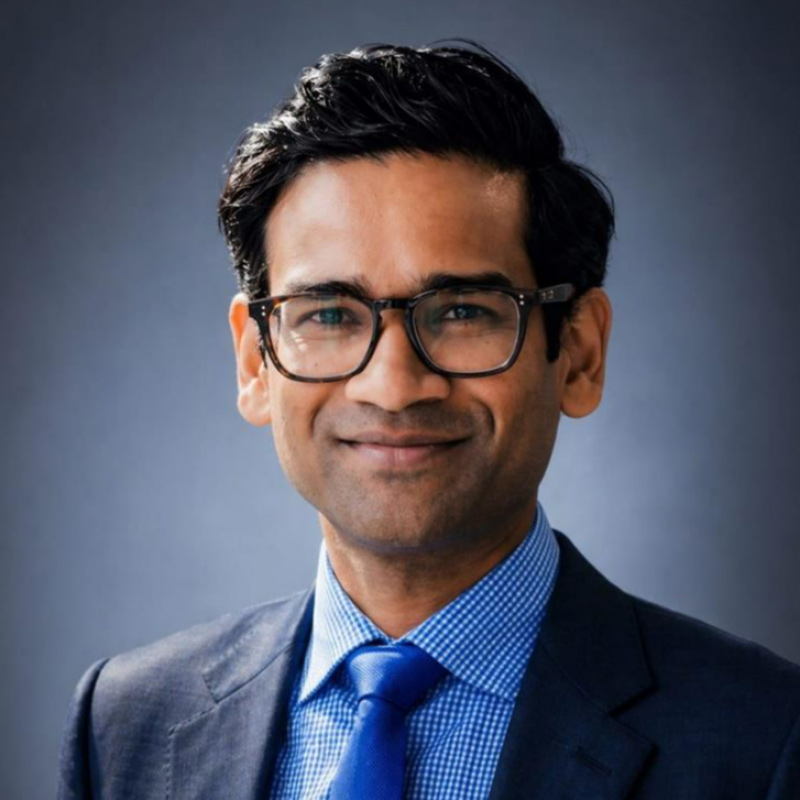
Saharsh Davuluri
CEO & Managing Director, Neuland Laboratories

Tammy Cooper
President, Nitto Avecia and
Nitto Avecia Pharma Services



Shaojun Zhu1, Dongxin Zhang2, David Ennis3
1. Director of Sustainability Development, PharmaBlock
2. Executive Director and Head of Business for New Modalities, PharmaBlock
3. Executive Advisor, PharmaBlock

Peter DeYoung
CEO, Piramal Global Pharma


Sonia Rasi1, Michele Tappa2
1. Financial Director & Chief Sustainability Officer, Procos
2. ESG Manager, Procos
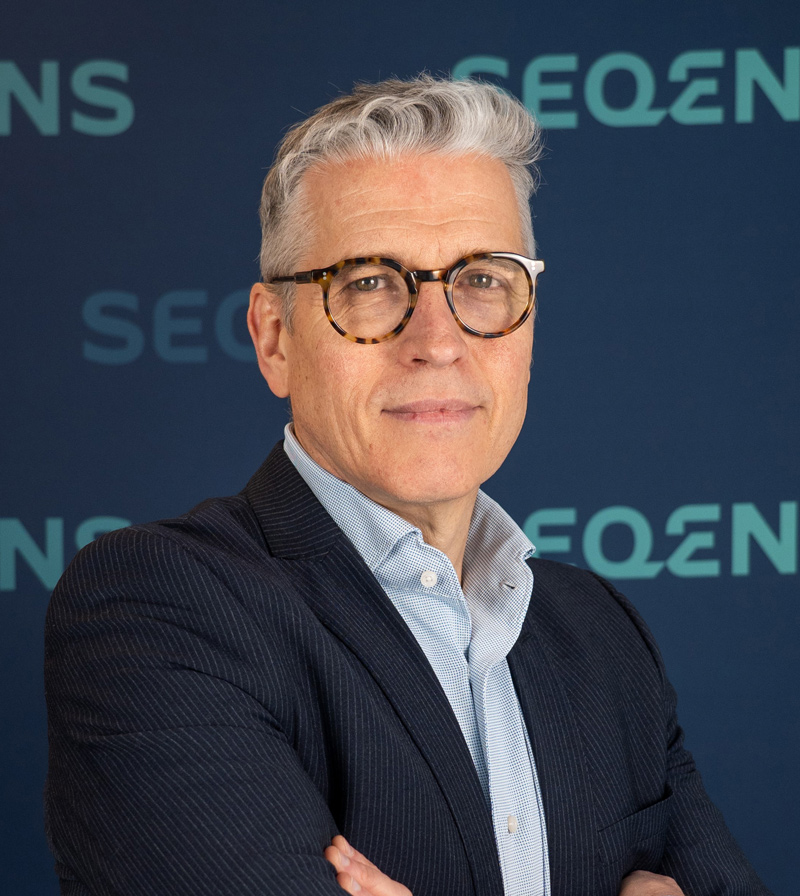
Pascal Villemagne
CEO, Seqens

Darryl Ratty
Executive Director, Global ESG, SK pharmteco


Natalia Agüeros1, Ralf Karch2
1. Sr. Director, ESG & Sustainability, Umicore
2. Director BU Research & Development at PMC, Umicore

Dani Reguant
Supply Chain Director, Uquifa Group
References and notes
- Howes, M.J.R., Simmonds, M.S.J. and Kite, G.C. (2004) 'Evaluation of the quality of sandalwood essential oils by gas chromatography–mass spectrometry', Journal of Chromatography A, 1028(2), pp. 307-312. doi: 10.1016/j.chroma.2003.11.093.
- RTI Health, Social, and Economics Research (2002) 'The Economic Impacts of Inadequate Infrastructure for Software Testing', Report prepared for the National Institute of Standards and Technology (NIST), Gaithersburg, MD.