
Panel discussion on...
ESG & Strategic Partnerships in Pharma Supply Chain


Roger La Force
Managing Director, Dorra Pharma Group


ESG is increasingly shifting from “box-ticking” to being a strategic differentiator in pharma supply chains. How are you re-thinking your CDMO-supplier partnerships to embed environmental, social and governance criteria at the core of your contracts and operations?
ESG or EHS today is a given for a reliable CDMO or any other Fine Chemicals and/or API producer. It belongs to the so-called Hard Factors that characterize a CDMO:
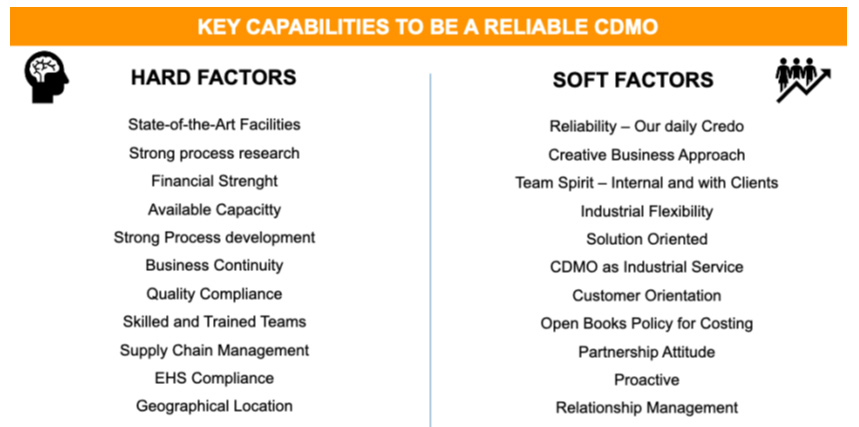
ESG compliance has also become an important topic for China, and the best known and reliable providers are at state-of-the-art level compared to Western providers. Similar to Indian providers, while in this country, there are still problems from the past, as it is known that water pollution from pharmaceutical and bulk drug production in Hyderabad remains a severe ecological and public health crisis, this is publicly available information. It is therefore also within the responsibility of customers to consider ESG compliance of a vendor during their supplier qualification.
With global supply chains under pressure from regulation, climate risk and stakeholder scrutiny, what digital tools or AI/ML-driven platforms are you using (or planning) to ensure real-time transparency, traceability and ESG performance across multiple tiers of your pharma supply network?
Dorra Pharma, and other providers, are already using AI driven route scouting for chemical processes, in our case also AI driven (virtual) Design of Experiment. The outcomes are still verified by human chemists. AI can help to rapidly prepare a company profile, however, these systems can only access publicly available data and information. Another field where AI is being or will be more applied is analytics, for example to rapidly interpret and process analytical data and identify problematic findings.
Advances in manufacturing (automation, digitalization, predictive analytics) are often seen through a cost-and-efficiency lens — how do you leverage these capabilities specifically to reduce carbon footprint, water and energy consumption, waste generation, and drive circularity in the pharma supply chain?
As indicated, DoE can first also be made virtually, which can save time to find critical process parameters. To find the best suitable ROS also in the light of carbon footprint reduction (topic “Green Chemistry”) is already being applied at various levels. Larger providers are in general more advanced, while small- to mid-sized vendors lag behind, still be compliant with existing rules and regulations.
One of the most efficient ways to reduce carbon footprint is to shift from fossil energy production to CO2-neutral energy sources. Examples for this are of course Photovoltaic energy, power from Hydroelectricity (example Switzerland), Wind-Energy or CO2-neutral agro wastes. For example, Hikal Ltd., India, is using bricks from agro-wastes for its heat generation at a couple of their sites, combined with photovoltaic.
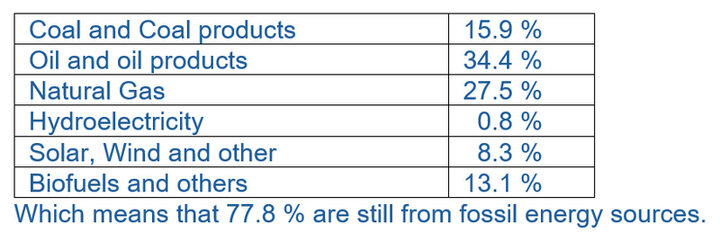
In Europe and the Western hemisphere, we need to change our mindset, as technology leadership, also in carbon footprint reduction, has already shifted to other countries and areas like China, partially India and others. Example: Germany still depends heavily on imported natural gas and LNG (also from Russia)
Energy consumption Germany 2024 (source IEA, iea.org):
How can CDMOs and pharma companies collaborate more effectively to overcome regulatory and technical barriers to circular economy adoption, such as solvent recovery or sustainable packaging?
From my experience, solvent recovery is already part of today’s process optimization strategies. This very much depends on volumes used and processes. Larger providers have solvent recovery plants or columns. If not part of the original process, the introduction of solvent recovery within an API manufacturing process needs to be validated also for the client’s process using the API. Often, this is not interesting to a pharma company because of the cost for re-validation. Therefore, it is key to already consider solvent recovery from the very beginning of process R&D.
For packaging, I do not have the necessary experience, but I can imagine that used drums could be recycled, especially if plastic or metal drums, after a defined cleaning procedure in order to avoid potential cross-contamination from previous products contained in such drums.
What lessons can pharma supply chains learn from other industries that have successfully integrated ESG into their operations, and how might these insights be applied to future strategies?
Already many years ago, I had prepared a presentation of how we in pharma chemicals could adapt integrated Supply Chain management for example from the automotive industry. In the meantime, a number of mainly large pharma companies have in fact adapted such systems, and I had the pleasure to work with a large pharma company applying integrated supply chain management through their external manufacturing department in an excellent way.
As in the meantime, we went through the effects of Covid and supply chain interruptions and with the new US-policy to “re-shore” manufacturing, it makes sense to manufacture again more locally, i.e. in Europe, in the USA or other countries. However, it would not make sense to re-shore let’s say Ibuprofen manufacturing to the USA, as cost and prices could not meet today’s levels, if not made by a breakthrough technology that allows to substantially lowering manufacturing cost.
Also, there is still a contradiction between the need to secure the supply of important drugs and the pressure on drug pricing still exerted by most governments. As long as politics do not align with the new situation, I am pessimistic about re-shoring.
The need for antibiotics for example is another important issue, as in a number of European countries, there is a shortage of standard Antibiotics. The production of antibiotics has migrated to Asian countries (i.e. China and India), and only a few sites are left in Europe, among those the Sandoz site in Kundl, Austria, and perhaps the former EurAPI site in Brindisi, Italy.
Panelists

Blake Unterreiner
Vice President and Business Unit Leader, Agilent Advanced Therapeutics


Michael Rainey
Director of Supply Chain, Almac Sciences

Françoise Durand-Rivoire
Global Head of ESG, Axplora

Hans van Hees
COO of Bachem AG

Matthias Müllner
CEO and co-founder of bespark*bio

Kerstin Stangier
Head of Corporate Development, Governance & Sustainability, BioSpring

Yann Dherve
Chief Executive Officer - CDMO, Cohance Lifesciences
Roger La Force
Managing Director, Dorra Pharma Group

Joanne Flinn
Chair, The ESG Institute


Xavier Touche1, Alain Goasguen2
1. Global Head of Supply Chain at Euroapi
2. Head of Environment & Energy at Euroapi

Anne Lise Kopp
Corporate ESG & Transformation Leader, Flamma Group

Robert Dream
Managing Director, HDR COMPANY LLC
Nathalie Huther
Chief Commercial Officer, HFR

Justin Mason-Home, FRSC
Owner/Director, HPAPI Project Services Limited

Patrizia Fazio
Head of applied research coordination, Imprima

Laura Monti
Responsible Sourcing - Purchasing department, Indena

Stanislav Kazanov
Head of GRC, Cybersecurity & Sustainability, Innowise

Sonja Merkas
Founder and CEO, Livinovea

Verena Buback
Head of Sustainability Strategy, Merck Procurement
Dirk Kirschneck
Strategic Director,
Microinnova Engineering GmbH
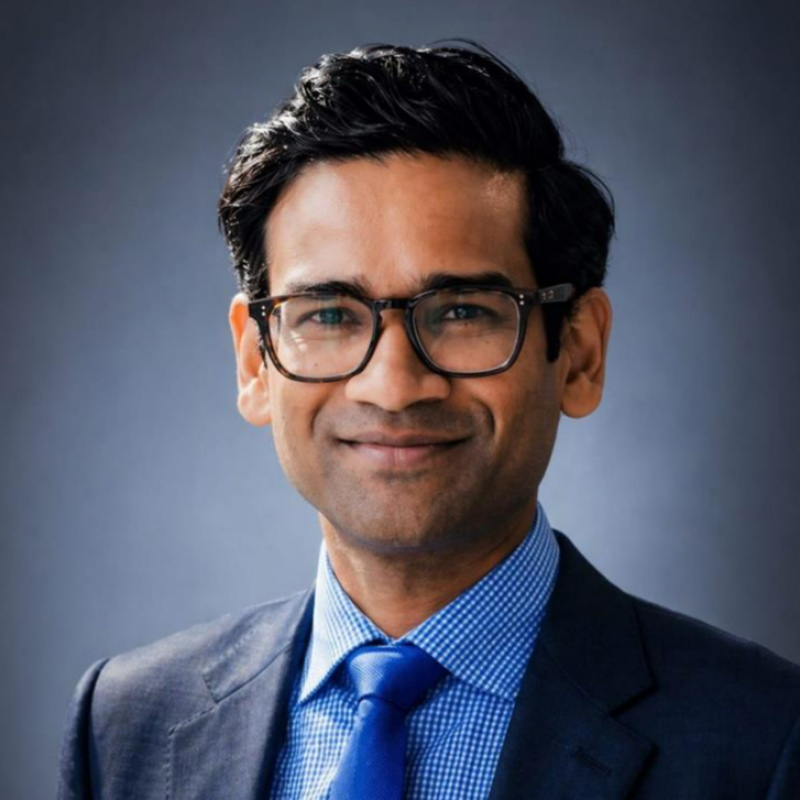
Saharsh Davuluri
CEO & Managing Director, Neuland Laboratories

Tammy Cooper
President, Nitto Avecia and
Nitto Avecia Pharma Services

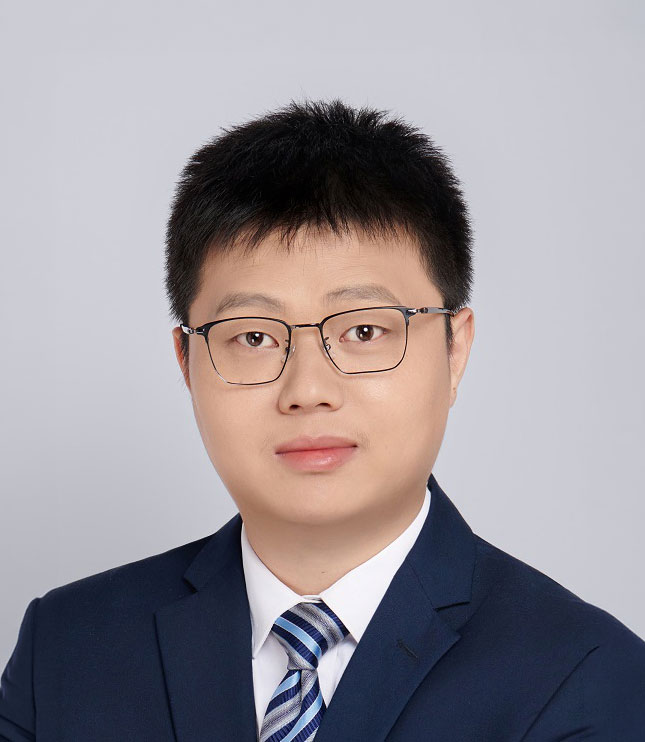

Shaojun Zhu1, Dongxin Zhang2, David Ennis3
1. Director of Sustainability Development, PharmaBlock
2. Executive Director and Head of Business for New Modalities, PharmaBlock
3. Executive Advisor, PharmaBlock

Peter DeYoung
CEO, Piramal Global Pharma

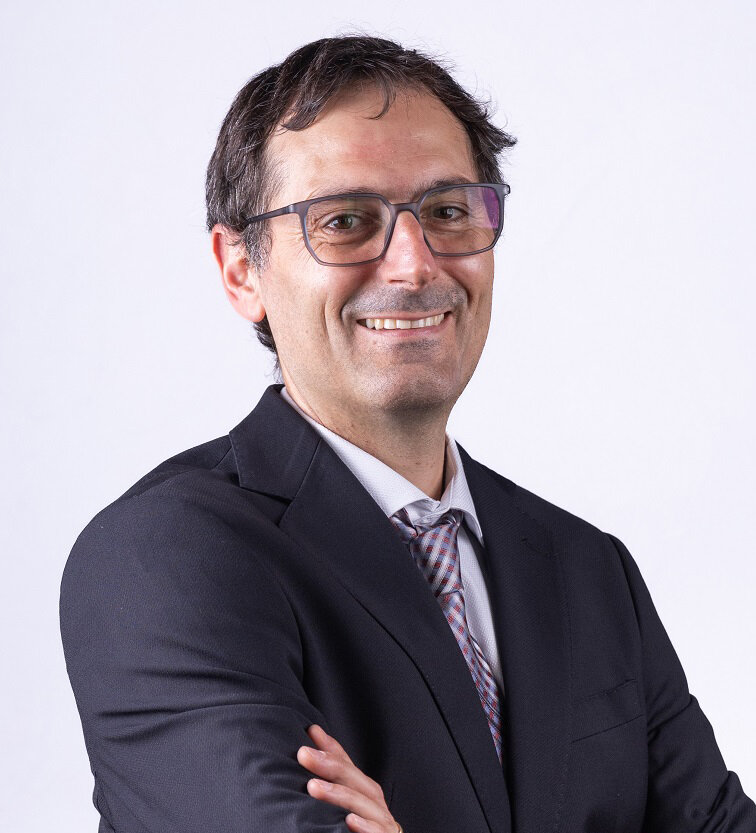
Sonia Rasi1, Michele Tappa2
1. Financial Director & Chief Sustainability Officer, Procos
2. ESG Manager, Procos
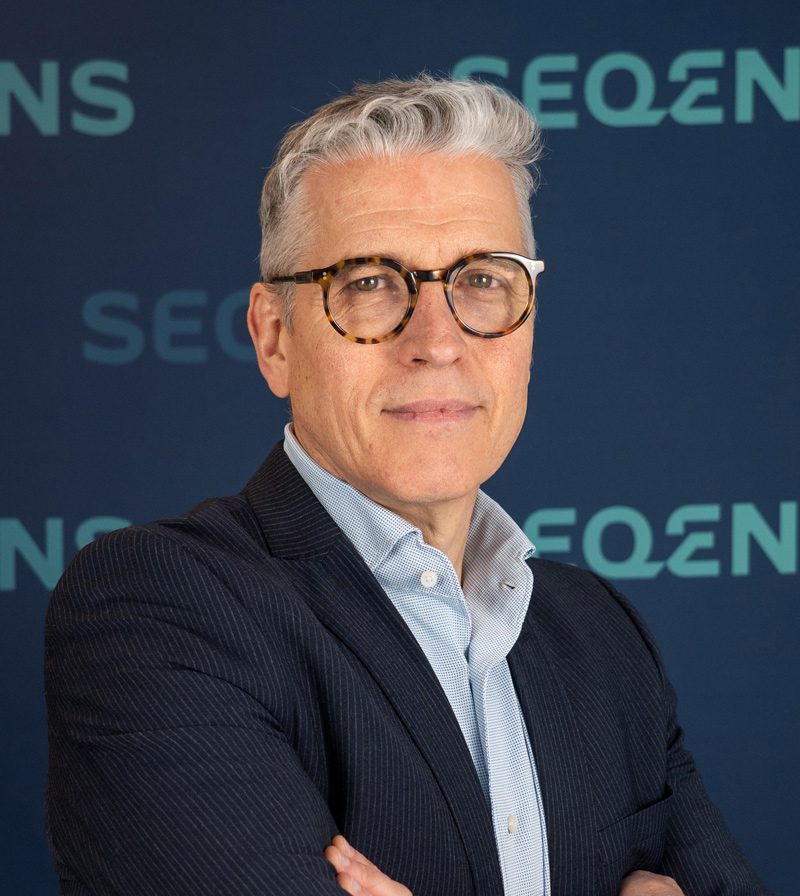
Pascal Villemagne
CEO, Seqens

Darryl Ratty
Executive Director, Global ESG, SK pharmteco


Natalia Agüeros1, Ralf Karch2
1. Sr. Director, ESG & Sustainability, Umicore
2. Director BU Research & Development at PMC, Umicore

Dani Reguant
Supply Chain Director, Uquifa Group
References and notes
- Howes, M.J.R., Simmonds, M.S.J. and Kite, G.C. (2004) 'Evaluation of the quality of sandalwood essential oils by gas chromatography–mass spectrometry', Journal of Chromatography A, 1028(2), pp. 307-312. doi: 10.1016/j.chroma.2003.11.093.
- RTI Health, Social, and Economics Research (2002) 'The Economic Impacts of Inadequate Infrastructure for Software Testing', Report prepared for the National Institute of Standards and Technology (NIST), Gaithersburg, MD.